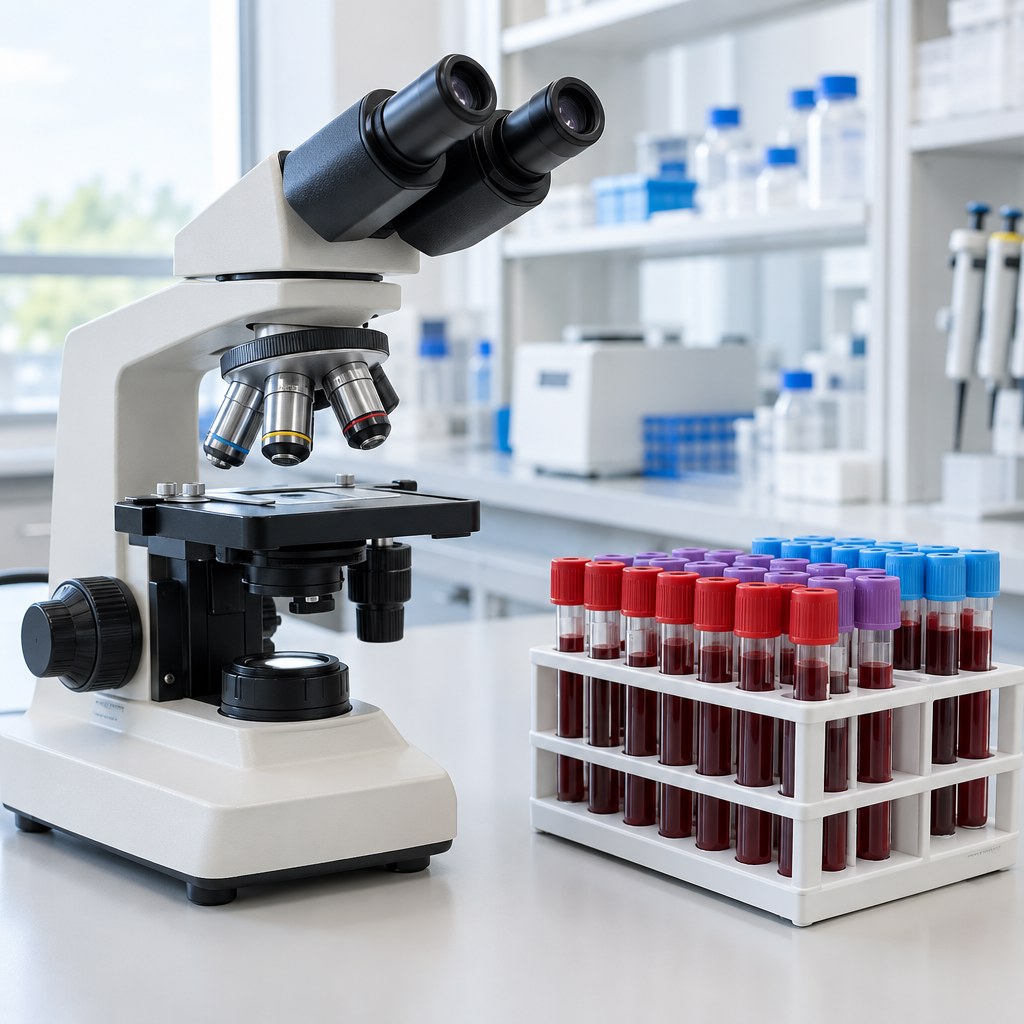
HIV and tuberculosis are different infections, but they are closely connected in public health. Early diagnosis and consistent treatment can make a major difference.
HIV
HIV affects the immune system. Modern antiretroviral treatment can suppress the virus and allow people with HIV to live long, healthy lives. Testing is the only way to know HIV status.
Tuberculosis
Tuberculosis most commonly affects the lungs but can affect other parts of the body. Symptoms can include persistent cough, fever, night sweats and unexplained weight loss. People with symptoms or known exposure should seek assessment.
Why the conditions overlap
HIV can weaken immune defences and increase the risk of developing active tuberculosis. This is why services for the two infections often work closely together.
Treatment adherence matters
Both conditions require appropriate medication. Stopping treatment without medical advice can lead to illness and can complicate future treatment.
Stigma causes harm
These are medical conditions, not moral judgments. Fear of discrimination can delay testing and treatment. Respectful, confidential healthcare and accurate information are essential.
Anyone concerned about possible exposure or symptoms should contact an appropriate healthcare service for testing and advice.
Testing is the next step, not a judgment
HIV testing and TB assessment answer different questions. A negative HIV test soon after exposure may need follow-up because tests have a window period. TB evaluation may include sputum testing, imaging and other investigations selected for the symptoms. Tell the service about current medicines because TB and HIV treatments can interact.
Recent possible HIV exposure
Seek urgent assessment for post-exposure prophylaxis (PEP). WHO recommends starting as soon as possible, ideally within 24 hours and no later than 72 hours. Do not wait for symptoms or a routine appointment. If more time has passed, testing and prevention advice still matter.
Practical appointment checklist
- Ask which tests you need and when results will be available.
- Arrange a follow-up contact rather than assuming silence means a normal result.
- Discuss barriers such as transport, food, side effects or privacy.
- Ask how to reduce TB transmission while awaiting advice.
- Keep treatment and monitoring appointments, even when you feel better.
Common question
Can nutrition replace HIV or TB medicines?
No. Adequate nutrition supports health, but keto, carnivore, supplements and detox products do not replace antiretroviral or TB treatment.
Sources and further reading
Related support
Use our appointment preparation guide, resources and community support to plan your next step.
Sources checked 22 September 2026. General education, not individual medical advice. International service arrangements may differ from South Africa. Featured artwork is illustrative, not a patient testimonial.