Author: Soulsearcher

  • Liver Health: Fatty Liver, Hepatitis and Warning Signs You Should Not Ignore

    Liver Health: Fatty Liver, Hepatitis and Warning Signs You Should Not Ignore

    The liver performs hundreds of functions involving metabolism, digestion, detoxification and blood proteins. Liver disease has many causes and can progress without obvious symptoms.

    Common causes

    Metabolic dysfunction-associated steatotic liver disease (MASLD) is linked with metabolic risk factors. Viral hepatitis, harmful alcohol use, certain medicines, autoimmune conditions and inherited disorders can also damage the liver.

    Possible warning signs

    Symptoms can include fatigue, abdominal discomfort, nausea, itching, swelling or jaundice, although early disease may cause no symptoms. Dark urine, pale stools or unexplained jaundice require medical assessment.

    Testing

    Assessment may involve blood tests, imaging and sometimes specialist investigations. Abnormal liver blood tests do not by themselves reveal the cause.

    Protecting liver health

    Avoid harmful alcohol intake, discuss medicines and supplements with healthcare professionals, address metabolic risk factors and follow vaccination or hepatitis-testing advice relevant to your circumstances.

    Be cautious with supplements

    Products marketed as natural or as a liver detox are not automatically safe. Some supplements and herbal products can themselves cause liver injury.

    This is general information and does not replace individual medical assessment.

    Understanding the newer terminology

    Metabolic dysfunction-associated steatotic liver disease (MASLD) is the newer name used for much of what was previously called non-alcoholic fatty liver disease. “Steatotic” means fat accumulation. The amount of scarring, called fibrosis, is important to prognosis, so a scan showing fat does not answer every question.

    Make a follow-up plan

    Ask which cause is suspected and whether fibrosis assessment or specialist advice is needed. Weight management may help selected people with metabolic liver disease, but it should be adapted to health and nutrition needs. Severe restriction is not a universal treatment for hepatitis, cirrhosis or other liver conditions. Vomiting blood, black stools with illness, confusion or severe deterioration needs emergency care.

    Practical checklist

    1. Bring previous liver results and dates.
    2. List alcohol intake, medicines, herbal products and supplements honestly.
    3. Ask whether hepatitis testing or vaccination is appropriate.
    4. Clarify whether scarring needs assessment.
    5. Set a review date and specific goals with the clinician.

    Common question

    Will a liver detox supplement help?

    A detox label is not evidence of benefit. Some products can injure the liver or interact with medicines; discuss them before use.

    Sources and further reading

    Related support

    Use our appointment preparation guide, resources and community support to plan your next step.

    Sources checked 22 September 2026. General education, not individual medical advice. International service arrangements may differ from South Africa. Featured artwork is illustrative, not a patient testimonial.


  • Thyroid Disorders: Hypothyroidism, Hyperthyroidism and Common Warning Signs

    Thyroid Disorders: Hypothyroidism, Hyperthyroidism and Common Warning Signs

    The thyroid gland produces hormones that influence metabolism throughout the body. Too little thyroid hormone is called hypothyroidism; too much is called hyperthyroidism.

    Hypothyroidism

    Possible symptoms include fatigue, feeling cold, constipation, dry skin, slowed thinking and weight changes. These symptoms are not specific to thyroid disease.

    Hyperthyroidism

    Possible symptoms include a fast or irregular heartbeat, tremor, heat intolerance, anxiety, sweating and unintentional weight loss.

    Testing

    Blood tests, commonly including thyroid-stimulating hormone and thyroid hormone measurements, help clinicians assess thyroid function. Additional tests may be needed to determine the cause.

    Treatment

    Hypothyroidism is commonly treated with thyroid hormone replacement. Hyperthyroidism has several possible treatments depending on its cause and the individual’s circumstances.

    Why follow-up matters

    Both too much and too little thyroid hormone can affect other systems. Medication doses sometimes need adjustment, so follow-up blood testing is important.

    Symptoms alone cannot diagnose a thyroid disorder. Seek appropriate medical assessment.

    Underactive and overactive thyroid need different care

    Similar symptoms can have many causes, so treatment should follow testing and a clinical assessment. An underactive thyroid is commonly treated with replacement hormone. An overactive thyroid may require medicines, radioiodine or surgery depending on the cause and circumstances. Ask what your diagnosis means rather than adjusting treatment according to a single day’s energy level.

    Use medicines consistently

    Ask the pharmacist how to time thyroid medicine around meals, iron, calcium and other products. Tell the care team about pregnancy plans and every supplement you take. Excess iodine or products marketed as “thyroid support” can be inappropriate; more is not automatically better.

    Practical checklist

    1. Bring your actual TSH and thyroid-hormone results.
    2. Ask whether further tests are needed to identify the cause.
    3. Clarify medicine timing and what to do after a missed dose.
    4. Agree when blood tests should be repeated.
    5. Report new symptoms rather than changing doses yourself.

    Common question

    Can keto or carnivore replace thyroid hormone?

    No. Dietary changes do not replace a hormone that the body cannot produce adequately. Discuss nutrition and persistent symptoms alongside prescribed care.

    Sources and further reading

    Related support

    Use our appointment preparation guide, resources and community support to plan your next step.

    Sources checked 22 September 2026. General education, not individual medical advice. International service arrangements may differ from South Africa. Featured artwork is illustrative, not a patient testimonial.
  • Obesity and Weight Management: Looking Beyond Willpower

    Obesity and Weight Management: Looking Beyond Willpower

    Obesity is a complex chronic health condition. Body weight is influenced by genetics, hormones, sleep, medicines, food environment, mental health, physical activity, socioeconomic circumstances and other factors. Reducing it to willpower can create stigma without improving health.

    Health is broader than the scale

    Weight can be associated with risk of type 2 diabetes, cardiovascular disease, sleep apnoea and joint problems, but individual health cannot be judged from appearance alone. Blood pressure, glucose, lipids, fitness and sleep also matter.

    Approaches to treatment

    Management may involve nutrition, physical activity, behavioural support, treatment of contributing medical conditions, medication and, for selected people, metabolic or bariatric surgery.

    Avoid extreme promises

    Very restrictive diets can produce short-term weight loss for some people, but sustainability, nutritional adequacy, medication effects and long-term health markers matter. No single eating pattern is ideal for everyone.

    Focus on measurable health

    Useful goals may include improved glucose control, blood pressure, mobility, sleep, strength or quality of life—not only a particular number on a scale.

    Weight-management treatment should be individualised and free from stigma.

    Choose outcomes that matter to your life

    A useful plan starts with a health goal: easier movement, better sleep, improved blood pressure or glucose management. Ask permission before discussing weight with someone else. BMI is one screening measure; it does not describe every aspect of health or personal circumstances.

    Where keto fits

    Some people find a lower-carbohydrate pattern helpful for appetite or glucose management. The choice should account for food access, medicines, nutritional adequacy and whether it is sustainable. Carnivore has much less direct clinical evidence. Weight reduction is not proof that a diet treats every disease, and people with unintentional weight loss need assessment rather than further restriction.

    Practical checklist

    1. Choose one health outcome to track alongside weight if appropriate.
    2. Review sleep, medicines, pain and activity barriers.
    3. Ask about dietetic and behavioural support that is available locally.
    4. Discuss the benefits, risks and eligibility for medicines or surgery when relevant.
    5. Agree a follow-up date and revise a plan that causes harm or cannot be sustained.

    Common question

    Is needing medication a personal failure?

    No. Obesity is a complex chronic condition. Treatment choices should reflect health needs, benefits, risks and preferences.

    Sources and further reading

    Related support

    Use our appointment preparation guide, resources and community support to plan your next step.

    Sources checked 22 September 2026. General education, not individual medical advice. International service arrangements may differ from South Africa. Featured artwork is illustrative, not a patient testimonial.

  • Assistive Technology and Rehabilitation: Tools That Support Independence

    Assistive Technology and Rehabilitation: Tools That Support Independence

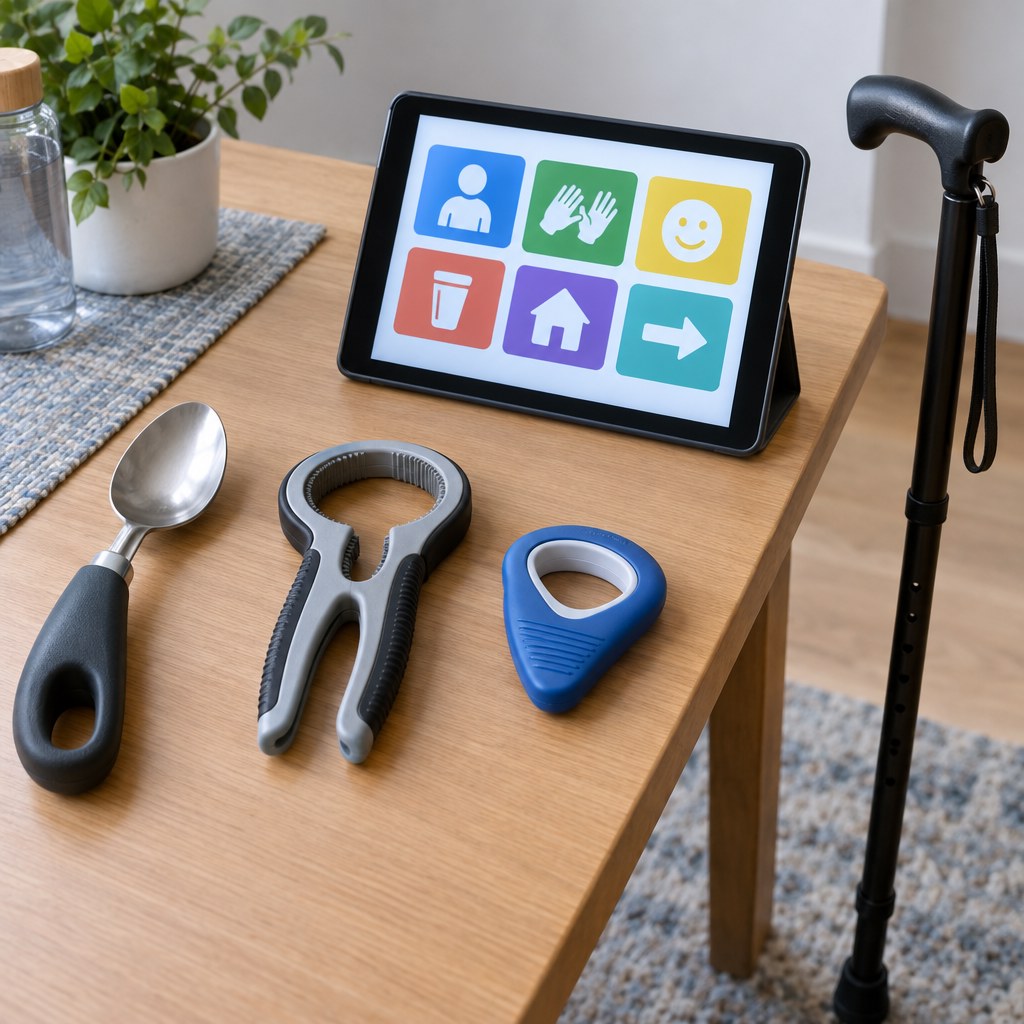
    Rehabilitation aims to improve functioning and help people participate in everyday life. Assistive technology can be part of that process, ranging from simple walking aids to communication devices and adapted home equipment.

    More than wheelchairs

    Assistive products can include walking sticks, walkers, wheelchairs, hearing devices, visual aids, communication technology, grab rails and adapted utensils.

    Fit matters

    An unsuitable device can be uncomfortable or unsafe. Assessment by an appropriate rehabilitation professional can help match equipment to the person’s body, environment, abilities and goals.

    Rehabilitation after illness or injury

    Physiotherapy, occupational therapy, speech-and-language therapy and other services may be involved after stroke, serious injury, surgery, neurological illness or prolonged hospitalisation.

    The goal is participation

    Success is not only about physical recovery. Being able to communicate, prepare food, move safely or participate in family and community life can be equally important goals.

    Caregivers need training too

    Where caregivers help with transfers, mobility or equipment, proper instruction can reduce injuries for both people.

    Equipment and rehabilitation plans should be tailored to individual needs.

    Start with the task, then choose the tool

    “I want to get to the toilet safely at night” or “I want to feed myself with less pain” provides a useful starting point. An occupational therapist, physiotherapist or other relevant professional can assess the person, the task and the environment. A device that works in a clinic may need adapting for steps, narrow doors, uneven paths or transport at home.

    Try, train and review

    Ask for a demonstration and a chance to practise. Check maintenance, replacement parts, charging needs and total costs. A walking aid set to the wrong height or an unsuitable transfer method can cause problems. Caregivers need training rather than relying on a video of someone with different needs.

    Practical checklist

    1. Name one activity you want to do more independently.
    2. Describe the space, surfaces and transport involved.
    3. Ask whether the equipment can be tried before purchase.
    4. Learn safe use, cleaning and maintenance.
    5. Review fit and function if health or circumstances change.

    Common question

    Does using an aid mean giving up on recovery?

    No. Appropriate equipment can support independence and participation while rehabilitation continues.

    Sources and further reading

    Related support

    Use our appointment preparation guide, resources and community support to plan your next step.

    Sources checked 22 September 2026. General education, not individual medical advice. International service arrangements may differ from South Africa. Featured artwork is illustrative, not a patient testimonial.

  • Osteoporosis, Falls and Frailty: Protecting Strength and Independence as We Age

    Osteoporosis, Falls and Frailty: Protecting Strength and Independence as We Age

    Osteoporosis, falls and frailty are different problems, but they can interact. Reduced bone strength increases the consequences of a fall, while declining muscle strength and balance can increase fall risk.

    Osteoporosis can be silent

    People may not know they have osteoporosis until a fracture occurs. Risk assessment considers age, previous fractures, family history, medicines, medical conditions and other factors.

    Falls are not simply bad luck

    Vision, footwear, muscle weakness, balance, medicines, blood pressure and hazards in the home can all contribute. A falls assessment can identify modifiable risks.

    Understanding frailty

    Frailty describes reduced resilience to illness or stress and is not an inevitable consequence of ageing. Strength, nutrition, medication review and appropriate rehabilitation can all matter.

    Protecting independence

    Strength and balance exercise, adequate nutrition, safe home design and appropriate assistive devices can support independence. Treatment for osteoporosis may be recommended based on fracture risk.

    Anyone with recurrent falls or a suspected fragility fracture should seek medical assessment.

    Review the whole pattern of risk

    A fall may involve several factors at once: poor lighting, a medicine causing dizziness, weaker muscles or impaired vision. Tell the clinician about near-falls as well as falls. A fracture after a minor injury can be a reason to assess bone health, even when the person feels otherwise well.

    Practical changes at home

    Clear walking routes, improve lighting and discuss stable grab rails or other supports where needed. Choose suitable footwear and have walking aids checked. Exercise should be matched to ability and fracture risk; ask for supervised strength and balance advice when uncertain. Calcium and vitamin D needs should be discussed rather than assuming large supplement doses are safe.

    Practical checklist

    1. Record falls, near-falls and what was happening at the time.
    2. Request review of medicines, vision and dizziness.
    3. Ask whether bone-density or fracture-risk assessment is appropriate.
    4. Choose one manageable home-safety improvement.
    5. Keep a way to call for help within reach.

    Common question

    Should everyone who falls simply exercise harder?

    No. Assessment should identify injuries, medical causes and a safe starting point. Suitable activity can help, but the plan must fit the person.

    Sources and further reading

    Related support

    Use our appointment preparation guide, resources and community support to plan your next step.

    Sources checked 22 September 2026. General education, not individual medical advice. International service arrangements may differ from South Africa. Featured artwork is illustrative, not a patient testimonial.

  • Endometriosis: Pain, Diagnosis, Fertility and Living With a Chronic Condition

    Endometriosis: Pain, Diagnosis, Fertility and Living With a Chronic Condition

    Endometriosis is a chronic condition in which tissue similar to the lining of the uterus grows outside the uterus. It can cause significant pain and, for some people, fertility difficulties.

    Symptoms

    Possible symptoms include severe menstrual pain, pelvic pain, pain during or after sex, pain with bowel movements or urination around menstruation, heavy bleeding and difficulty becoming pregnant. Some people have few symptoms.

    Diagnosis can take time

    Symptoms overlap with other conditions. Assessment may involve history, examination and imaging, while laparoscopy may be used in some circumstances. Persistent severe period pain that disrupts normal activities deserves medical attention.

    Treatment

    Treatment depends on symptoms, fertility goals and disease severity. Options can include pain management, hormonal treatment and surgery. No single treatment is right for everyone.

    Fertility and emotional impact

    Endometriosis does not mean that pregnancy is impossible, but some people experience infertility. Chronic pain and delayed diagnosis can also affect mental health, relationships and work.

    This article is general information and not a diagnostic guide.

    Describe the impact, not only the pain score

    Record missed work or school, interrupted sleep, painful bowel movements and activities you can no longer manage. A pattern around menstruation can help assessment, but symptoms may also occur between periods. Explain pregnancy goals because they influence treatment choices.

    A plan can change over time

    Ask what the proposed treatment aims to improve and how long to try it before review. Imaging and surgery have different roles; not every person needs the same sequence. Persistent symptoms deserve reassessment even after a previous normal test. Sudden severe pain, collapse or heavy bleeding needs urgent assessment rather than being assumed to be a usual flare.

    Practical checklist

    1. Keep a brief symptom and cycle record if useful.
    2. Bring previous imaging, surgery and treatment details.
    3. Describe effects on work, sex, bowel function and sleep.
    4. Ask about pain management, hormonal options and referral.
    5. Discuss fertility goals and emotional support.

    Common question

    Can a diet cure endometriosis?

    No diet has been established as a cure. Avoid nutritional restriction that delays assessment or makes it harder to meet your needs.

    Sources and further reading

    Related support

    Use our appointment preparation guide, resources and community support to plan your next step.

    Sources checked 22 September 2026. General education, not individual medical advice. International service arrangements may differ from South Africa. Featured artwork is illustrative, not a patient testimonial.

  • Menopause: Symptoms, Health Changes and When to Seek Help

    Menopause: Symptoms, Health Changes and When to Seek Help

    Menopause is a normal life stage, but symptoms can have a substantial effect on wellbeing. The transition leading up to menopause is called perimenopause, when menstrual cycles and hormone levels may become less predictable.

    Common symptoms

    Hot flushes, night sweats, sleep disturbance, mood changes, vaginal dryness, discomfort during sex and changes in menstrual bleeding are common. Symptoms vary greatly between individuals.

    Health after menopause

    Falling oestrogen levels are associated with changes in bone and cardiovascular health. This makes appropriate attention to physical activity, bone health, blood pressure and other cardiovascular risk factors useful.

    Treatment options

    Hormone therapy can be effective for appropriate patients, but benefits and risks depend on age, symptoms, medical history and the type of treatment. Non-hormonal options are also available for some symptoms.

    Do not assume every symptom is menopause

    New symptoms still deserve appropriate assessment. In particular, unexpected bleeding after menopause should be medically evaluated.

    Discuss persistent or troublesome symptoms with a qualified healthcare professional.

    Prepare for an individual treatment discussion

    Describe which symptoms affect your sleep, work, comfort or relationships most. Hormone therapy decisions consider personal history and the treatment being proposed; one person’s experience does not predict another’s benefits or risks. Non-hormonal approaches may also help. Ask how long it should take to assess benefit and when to review.

    Bleeding and pregnancy questions

    Bleeding after menopause should be medically assessed, even if it happens only once. During perimenopause, pregnancy may still be possible, and hormone therapy is not contraception. Ask about contraception and investigations that fit your age and circumstances.

    Practical checklist

    1. Record symptoms and their impact over ordinary days.
    2. Bring medicine details and relevant personal or family history.
    3. Ask about vaginal symptoms, sleep and mental wellbeing as well as hot flushes.
    4. Discuss bone health and cardiovascular risk.
    5. Agree a review date and which changes need earlier contact.

    Common question

    Is every new symptom due to menopause?

    No. Thyroid problems, anaemia, medicine effects and other conditions can overlap. New, severe or persistent symptoms deserve assessment.

    Sources and further reading

    Related support

    Use our appointment preparation guide, resources and community support to plan your next step.

    Sources checked 22 September 2026. General education, not individual medical advice. International service arrangements may differ from South Africa. Featured artwork is illustrative, not a patient testimonial.

  • Migraine and Headache Disorders: When a Headache Needs More Attention

    Migraine and Headache Disorders: When a Headache Needs More Attention

    Migraine is a neurological disorder that can cause recurrent headache attacks together with nausea, sensitivity to light or sound and, in some people, aura. Headache disorders are common, but a new or unusual headache sometimes needs urgent assessment.

    Migraine varies

    Pain may be throbbing or pulsating and can worsen with activity, but not every migraine follows the same pattern. Some people experience visual or sensory symptoms before or during an attack.

    Keeping a record can help

    A headache diary can document frequency, duration, associated symptoms, menstrual timing, sleep and medication use. This may help a clinician identify patterns.

    Medication overuse

    Frequent use of acute headache medication can itself contribute to more frequent headaches in some people. Anyone relying on headache medicines very frequently should discuss this with a clinician rather than simply increasing doses.

    Warning signs

    Seek urgent assessment for a sudden extremely severe headache, headache after significant head injury, or headache accompanied by new weakness, confusion, seizures, loss of consciousness, severe fever and neck stiffness, or other significant neurological symptoms.

    Treatment is individual

    Management may include lifestyle measures, medicines taken during attacks and preventive treatment for frequent or disabling migraine.

    New, severe or changing headaches should be assessed appropriately.

    Build a useful headache diary

    Note headache days, duration, symptoms, medicine use and the effect on daily activities. A diary can show whether an acute treatment works and whether preventive treatment deserves discussion. Avoid blaming yourself for not identifying a perfect trigger: migraine is a neurological condition and patterns can be inconsistent.

    Know when the pattern has changed

    A sudden headache reaching maximum severity within moments, new neurological symptoms, or headache with fever and neck stiffness needs emergency assessment. Do not label new weakness or speech difficulty as migraine without appropriate medical evaluation. Seek advice for a substantial change in an established headache pattern.

    Practical checklist

    1. Record headache and medicine days separately.
    2. Bring all painkillers, supplements and prescriptions to review.
    3. Ask whether preventive treatment is appropriate.
    4. Clarify how often acute medicine can be used safely.
    5. Agree what to do if a headache is different from usual.

    Common question

    Should I eliminate many foods to prevent migraine?

    Not automatically. A consistent pattern may merit discussion, but broad restriction can create nutritional and practical problems without helping.

    Sources and further reading

    Related support

    Use our appointment preparation guide, resources and community support to plan your next step.

    Sources checked 22 September 2026. General education, not individual medical advice. International service arrangements may differ from South Africa. Featured artwork is illustrative, not a patient testimonial.

  • Multiple Sclerosis: Symptoms, Diagnosis, Treatment and Living With Uncertainty

    Multiple Sclerosis: Symptoms, Diagnosis, Treatment and Living With Uncertainty

    Multiple sclerosis (MS) is a condition in which the immune system damages structures in the central nervous system. Its effects can vary widely, which is one reason the path to diagnosis can be difficult for some people.

    Possible symptoms

    Symptoms may include vision changes, numbness, weakness, balance problems, muscle stiffness, bladder difficulties, fatigue, pain and cognitive changes. These symptoms can occur in many other conditions.

    How MS is diagnosed

    Neurological assessment and MRI are central to diagnosis. Other tests may be used to gather evidence or exclude alternative explanations. There is no single symptom that proves someone has MS.

    Treatment has several goals

    Disease-modifying treatments can reduce disease activity for appropriate patients. Other medicines and therapies may be used for specific symptoms or relapses. Treatment selection depends on the form and activity of MS and individual circumstances.

    Fatigue is real

    MS fatigue can be profound and may not correspond to visible disability. Management can involve reviewing sleep, medication, activity, temperature sensitivity and other medical factors.

    Rehabilitation

    Physiotherapy, occupational therapy, speech therapy and other rehabilitation services can help people maintain function and adapt to changes. Assistive devices can support independence.

    This article is general education and not a substitute for neurological assessment.

    Separate disease control from symptom support

    Ask what each part of treatment is intended to do. Disease-modifying treatment, relapse treatment and support for fatigue or bladder symptoms serve different purposes. A quieter day does not mean monitoring is unnecessary, and a difficult day does not by itself establish a new relapse.

    Report changes clearly

    New or worsening symptoms should be discussed with the MS team, including fever or infection symptoms. Sudden weakness, speech difficulty or vision loss can have urgent causes and should not automatically be attributed to MS. Keep a written contact plan so you know how to obtain advice between appointments.

    Practical checklist

    1. List your most limiting symptoms and how long they last.
    2. Ask about treatment benefits, risks and monitoring.
    3. Discuss rehabilitation, equipment and workplace needs.
    4. Review sleep, pain and other contributors to fatigue.
    5. Agree who to contact about new symptoms or medicine problems.

    Common question

    Does a restrictive diet replace disease-modifying treatment?

    No. Nutrition should support health and adequate intake. Keto or carnivore claims should not delay neurological care or lead to stopping medicines.

    Sources and further reading

    Related support

    Use our appointment preparation guide, resources and community support to plan your next step.

    Sources checked 22 September 2026. General education, not individual medical advice. International service arrangements may differ from South Africa. Featured artwork is illustrative, not a patient testimonial.

  • Carnivore and Ketovore Diets: Potential Benefits, Risks and What to Monitor

    Carnivore and Ketovore Diets: Potential Benefits, Risks and What to Monitor

    Carnivore and ketovore eating patterns have attracted attention online. Definitions vary, but a carnivore diet generally relies almost entirely on animal foods, while “ketovore” is often used informally for an animal-focused diet that allows a limited amount of low-carbohydrate plant food. These approaches should not be confused with medically supervised ketogenic diets used for specific clinical indications.

    Why do people try them?

    People report using very-low-carbohydrate diets for weight management, blood-glucose control, appetite or digestive symptoms. Individual experiences can be meaningful, but testimonials cannot establish whether a diet is safe or effective for a broader population.

    The evidence is not equal for every low-carb approach

    Research exists on ketogenic and lower-carbohydrate diets in particular contexts, but that does not automatically establish the long-term safety or benefit of an all-meat carnivore diet. Extremely restrictive diets can also make it harder to obtain adequate fibre and a broad range of micronutrients.

    Possible issues to discuss

    Depending on food choices and individual response, concerns may include marked changes in LDL cholesterol, constipation, nutrient adequacy and the practical difficulty of sustaining a restrictive diet. People with kidney, liver, gallbladder, cardiovascular or metabolic conditions may need specific advice.

    Medication can change the risk

    People taking glucose-lowering or blood-pressure medicines should not make major carbohydrate or weight-loss changes without considering medication effects. Blood glucose and blood pressure can change, and some medicines may need clinician-supervised adjustment.

    If you choose a restrictive diet

    Tell your healthcare professional what you are actually eating. Depending on your health history, monitoring may include weight, blood pressure, glucose control, lipids, kidney function and nutritional status. Do not assume that feeling better guarantees that every health marker has improved.

    Avoid absolutes

    Nutrition evidence evolves, and individuals respond differently. Be cautious with claims that one diet cures a wide range of unrelated diseases or that all plant foods—or all animal foods—are inherently harmful. Decisions are better based on measurable outcomes, nutritional adequacy and individual medical context.

    This article is general information, not an endorsement of a particular diet or a substitute for medical or dietetic advice.

    What the published carnivore survey can tell us

    A 2021 survey of 2,029 adults following a carnivore diet reported high satisfaction and perceived improvements. It was not a randomised trial: participants selected themselves, results were largely self-reported, and there was no comparison group. People who had already stopped the diet because of problems could be missed. Reported LDL cholesterol was high in the subset supplying lipid results. The study generates research questions; it cannot establish long-term safety or show that carnivore treats cancer, Alzheimer’s disease or autoimmune conditions.

    A monitoring conversation before major restriction

    • State the symptom or health outcome you hope to improve.
    • Review medicines before changing carbohydrate intake.
    • Ask whether kidney function, lipids, glucose or nutritional status need baseline testing.
    • Agree how adequate energy, protein, fibre and micronutrients will be addressed.
    • Choose a review date and clear reasons to stop or modify the plan.

    Vomiting, abdominal pain, unusual breathing or confusion need urgent assessment, particularly with diabetes or SGLT2 medicines. Ketoacidosis can occur without very high glucose. Do not dismiss significant symptoms as normal adaptation.

    How to compare claims fairly

    Ask whether the study tested carnivore itself, a broader low-carbohydrate diet, a supplement or an animal model. Look for a control group, harms, dropouts and outcomes that matter to patients. A ketone reading or testimonial alone cannot answer those questions.

    Related support

    Explore our practical resources and community support. For nutrition questions, browse Keto & Metabolic Health.

    Sources checked 22 September 2026. General education; individual care should be discussed with a qualified healthcare professional.