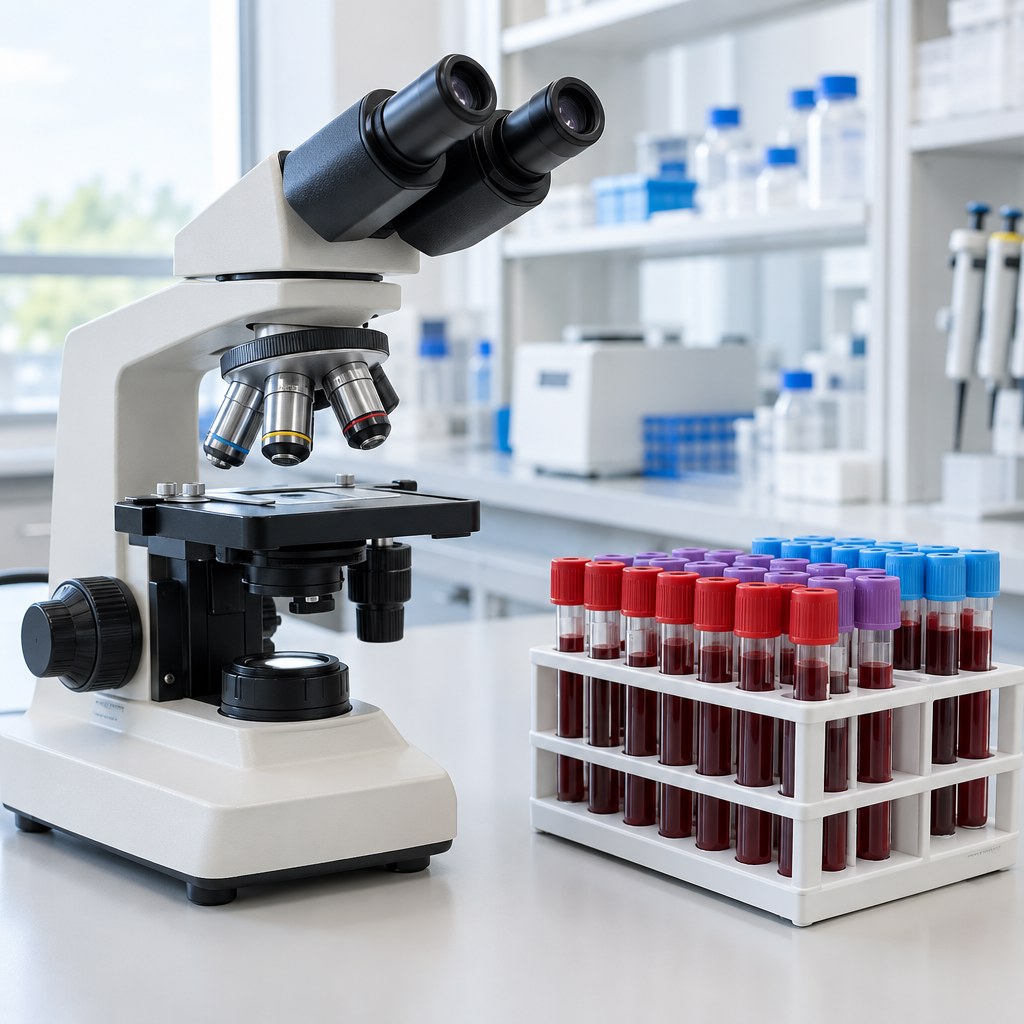
Anaemia means there are not enough healthy red blood cells or haemoglobin to adequately carry oxygen. It is not a single disease and treatment depends on the underlying cause.
Possible symptoms
Fatigue, weakness, breathlessness, dizziness, headaches, palpitations and pale skin can occur. Mild anaemia may cause few symptoms.
Iron deficiency is only one cause
Iron deficiency can result from inadequate intake, impaired absorption or blood loss. Anaemia can also relate to vitamin deficiencies, chronic inflammation, kidney disease, inherited blood disorders and other medical conditions.
Why investigation matters
Simply taking iron without establishing the cause can miss an important problem. Clinicians may use a full blood count and additional tests based on age, symptoms, diet, menstrual or gastrointestinal blood loss and medical history.
Treatment
Treatment may involve replacing iron or vitamins, treating bleeding or inflammation, managing kidney disease or addressing another underlying condition.
Seek prompt assessment
Severe breathlessness, chest pain, fainting, significant bleeding or rapidly worsening symptoms need prompt medical attention.
This article provides general information. Anaemia should be assessed according to its cause and severity.
Read the test result in context
A full blood count can identify anaemia, while additional tests help explain it. The clinician may consider iron stores, vitamin levels, kidney function or bleeding depending on the situation. A low haemoglobin result is a starting point for investigation, not proof that everyone needs iron. Tell the team about heavy periods, black or bloody stools, restricted intake, recent surgery and family history.
Follow treatment through to review
If a replacement treatment is prescribed, ask how to take it, which side effects to expect and when blood tests should be repeated. Persistent symptoms may mean the cause has not been fully addressed or that more than one problem is present. Seek emergency help for chest pain, collapse or severe breathing difficulty.
Practical appointment checklist
- Ask which type of anaemia is suspected and why.
- Find out whether blood loss or another condition needs investigation.
- Bring supplements and medicine names to the appointment.
- Clarify how treatment response will be measured.
- Seek review if symptoms worsen or treatment is not tolerable.
Common question
Can eating more meat treat every kind of anaemia?
No. Iron deficiency is only one cause, and dietary changes alone may be insufficient even when iron is low.
Sources and further reading
Related support
Use our appointment preparation guide, resources and community support to plan your next step.
Sources checked 22 September 2026. General education, not individual medical advice. International service arrangements may differ from South Africa. Featured artwork is illustrative, not a patient testimonial.
Leave a Reply