The short answer: many older adults need more protein
Protein helps preserve muscle, strength, balance, immune function, and recovery. Many adults eat less as appetite, taste, chewing, budgets, illness, or cooking routines change. If meals often centre on toast, cereal, soup, or vegetables without a protein food, intake may be low. The answer is not simply to eat huge portions: spread nourishing protein choices across the day and seek individual advice when health conditions affect eating.
Ageing does not mean accepting weakness as inevitable. Enough protein, alongside movement and adequate energy, supports the body’s ability to maintain tissue. Yet needs vary with body size, activity, health, weight change, and recovery from illness or surgery. A registered dietitian or clinician can turn general guidance into a safe personal plan.
Why protein matters
Muscle naturally becomes less responsive to food and exercise with age, a process involved in sarcopenia. Long periods of bed rest, infection, hospital stays, pain, or poor appetite can accelerate loss. Protein provides amino acids, the building blocks used throughout the body. It is not a magic shield, but regularly including it can help support muscle repair and function when paired with resistance exercise or everyday activity that challenges muscles.
Protein also contributes to skin, bones, enzymes, hormones, and immune cells. This matters after a fall, during rehabilitation, or while living with a long term condition. However, increasing protein alone cannot fix unintentional weight loss, swallowing trouble, severe fatigue, or a new decline in strength. Those signs deserve timely medical assessment, particularly if they are persistent or worsening.
How much protein is enough?
The standard adult recommended dietary allowance is 0.8 grams of protein per kilogram of body weight daily. Some expert groups advise higher intakes for many healthy older adults, often around 1.0 to 1.2 grams per kilogram, because of changes in muscle and recovery. People who are acutely ill, undernourished, or rehabilitating may need a different plan. These are population guidelines, not a prescription: kidney disease, liver disease, fluid restrictions, and some metabolic conditions can change what is appropriate.
Rather than chasing a perfect number, start by noticing patterns. Does each meal contain a meaningful protein source? Are you skipping lunch or relying on snacks that leave you hungry? A dietitian can calculate targets using current weight, goals, kidney function, and food preferences.
Practical ways to build protein into meals
Begin with foods you already enjoy and can manage safely. Eggs, Greek yogurt, milk, cottage cheese, fish, chicken, lean meat, tofu, tempeh, beans, lentils, edamame, and fortified soy products can all contribute. Portion size matters less than consistency at first. Add yogurt or nut butter to breakfast; stir beans, lentils, chicken, or tofu into soup; choose cheese, hummus, yogurt, or a glass of milk alongside a light meal. If chewing is difficult, softer choices such as scrambled eggs, flaky fish, yogurt, smooth nut butter, tofu, or well cooked legumes may be more comfortable.
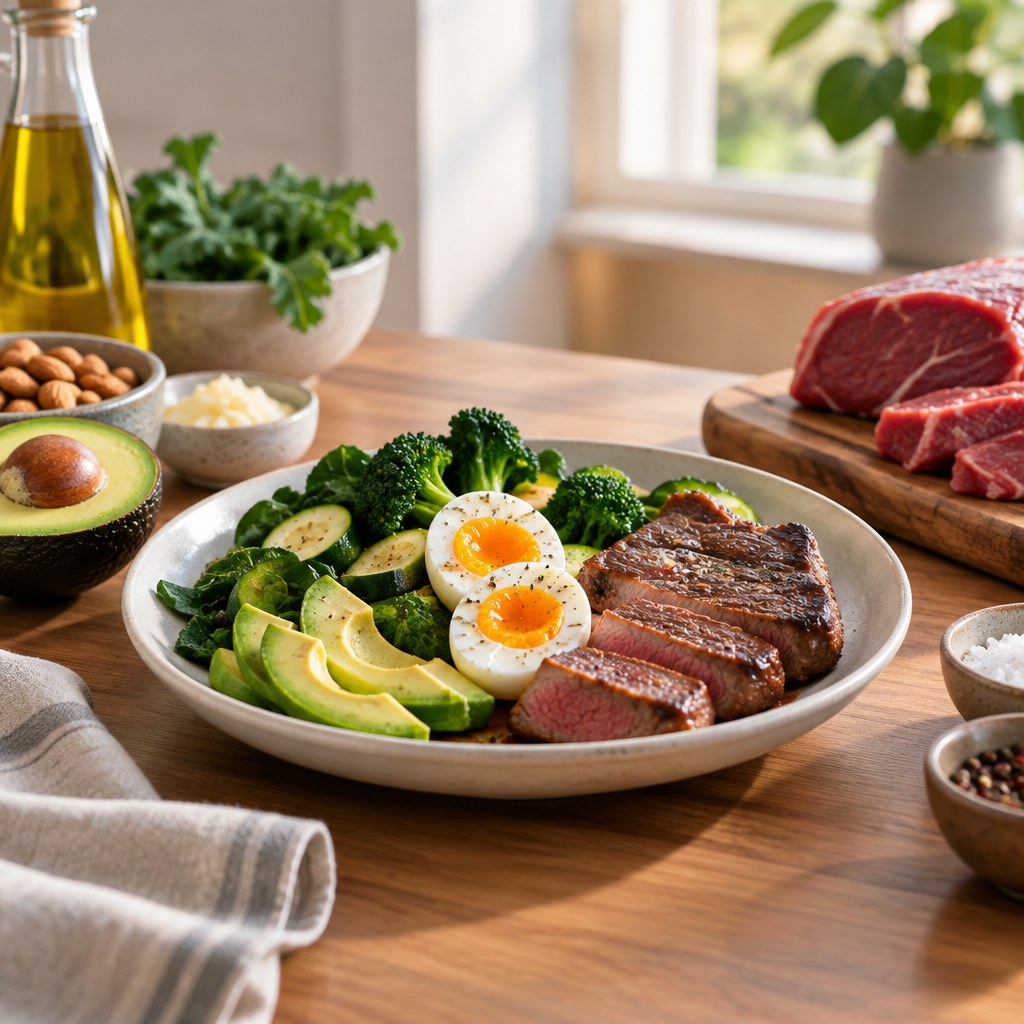
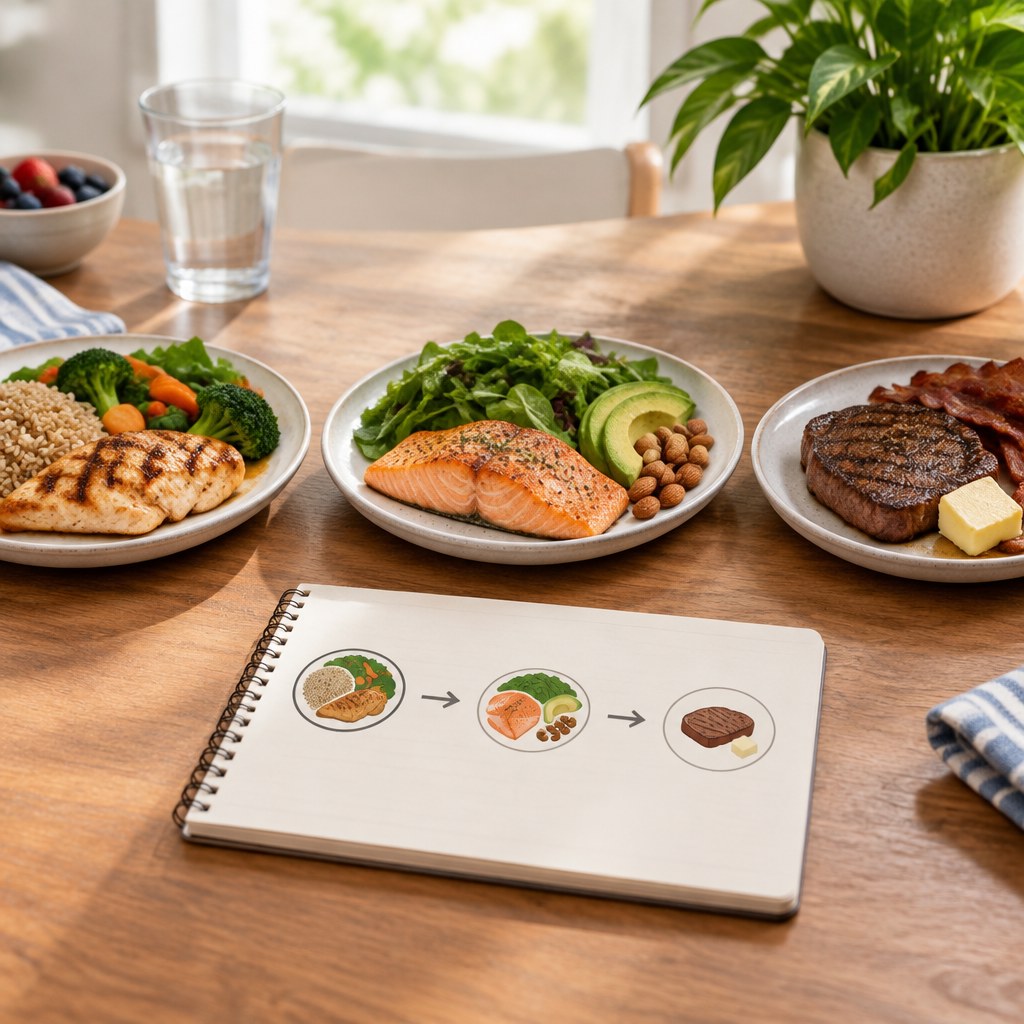
Featured artwork is illustrative, not a patient photograph or testimonial.
Make breakfast do more
Breakfast is commonly the lowest protein meal, especially when it is only tea and toast or a small bowl of cereal. Try porridge made with milk and topped with yogurt; eggs with toast and fruit; cottage cheese with berries; or beans on wholegrain toast. Plant based eaters can use soy yogurt, tofu scramble, or fortified soy milk. Choose what fits your culture, budget, appetite, and digestion rather than forcing foods you dislike.
When eating feels harder
Low appetite is common during grief, depression, pain, treatment for serious illness, and periods of isolation. Medicines can affect taste, nausea, or fullness. Start with small amounts more often: half a sandwich with egg or tuna, yogurt, a milky drink, cheese and crackers, or bean dip with soft bread. Keep convenient options visible and accept help with shopping or meal preparation when offered. If food insecurity is involved, community meal programmes, benefits advice, and local support organisations may help.
Swallowing problems need particular care. Coughing, choking, a wet sounding voice after eating, or repeated chest infections can signal aspiration risk. Do not try to solve this by adding powders or changing textures alone. Ask a doctor or speech and language therapist for assessment and follow individual texture and fluid guidance.
Supplements are not always the answer
Protein powders, shakes, and ready made drinks can be useful when food intake is low or preparation is difficult. They are not automatically better than food, and some are expensive or contain ingredients that do not suit you. A supplement may be sensible after discussion with a dietitian, clinician, or pharmacist, especially if you take several medicines or have kidney disease. Use it to complement meals where possible, not to hide an ongoing problem with appetite or weight loss.
Sources and further reading
ESPEN practical guideline: clinical nutrition and hydration in geriatrics provides evidence-based guidance on individual protein needs, nutrition and hydration in older adults.
Pair protein with strength
Protein works alongside enough total food and regular muscle use. Chair rises, carrying shopping, climbing stairs, gardening, resistance bands, and professionally guided rehabilitation can all challenge muscles at an appropriate level. Begin safely, especially after a fall, operation, heart symptoms, or long illness. A physiotherapist or qualified exercise professional can adapt activity for pain, mobility, balance, or disability. Rest and recovery matter too; exercise should build confidence, not leave you depleted.
When to seek individual advice
Speak with a health professional promptly if you are losing weight without trying, feel markedly weaker, cannot manage usual meals, have ongoing vomiting or diarrhoea, or notice swallowing changes. Individual advice is also important for chronic kidney disease, dialysis, advanced liver disease, cancer treatment, pressure injuries, and recovery from major surgery. Bring a short food note, including drinks and snacks, to an appointment. It can help the conversation focus on practical changes.
You do not have to manage this alone
Food changes can feel surprisingly emotional, especially when health, independence, money, or energy has changed. Share the load with someone you trust. Stronger Together offers a place to explore support and practical resources at your pace. You deserve clear information, respectful encouragement, and help that fits your real life, gently, one meal and one day at a time, with kindness.