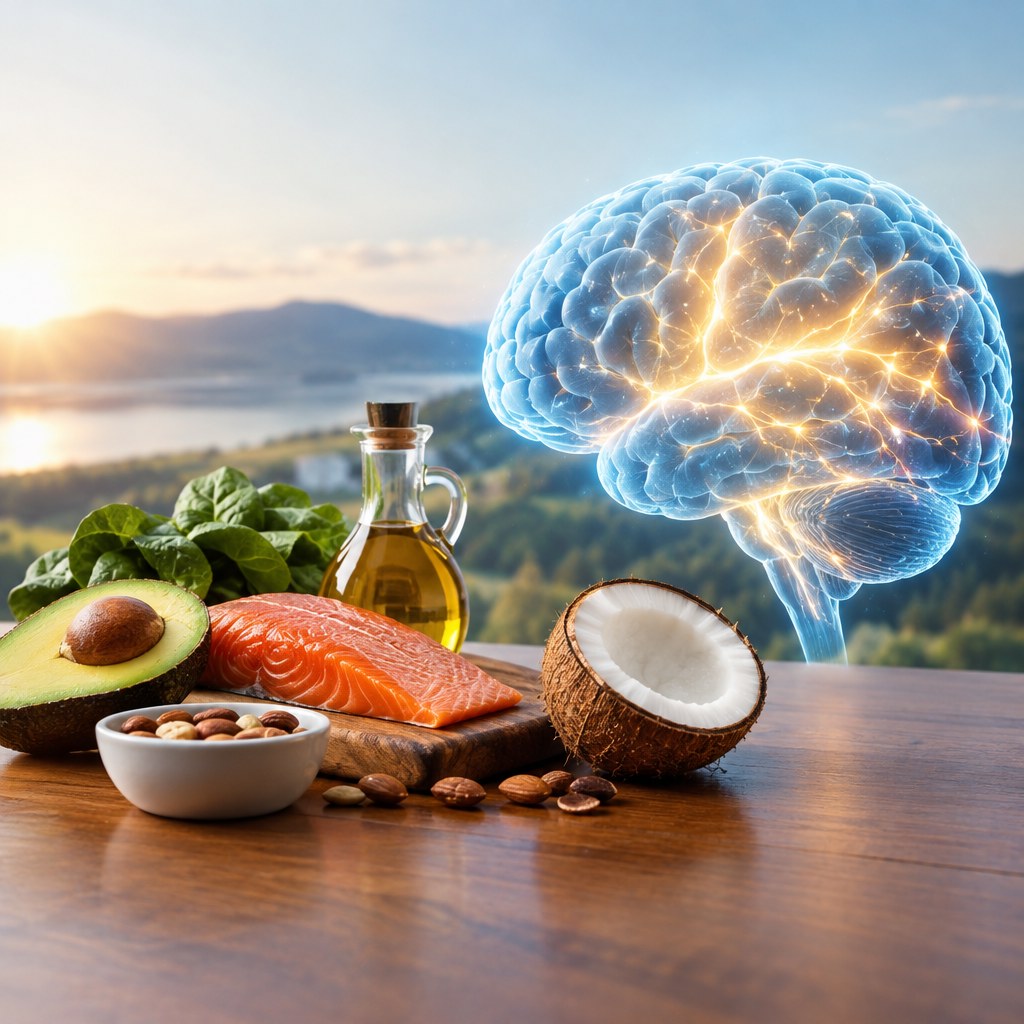
Ketones can provide the brain with a useful alternative fuel, especially when carbohydrate availability is low. But “better” is not a universal outcome. In healthy adults, the brain normally uses mostly glucose and can also use ketones during fasting or a well-formulated ketogenic diet. Some people report steadier energy or concentration; research supports clear medical uses in specific epilepsy settings. For cognition, mood, ageing, and neurological disease, results remain promising but incomplete. Keto is not automatically safer, sharper, or appropriate for everyone.
The key idea is metabolic flexibility: the capacity to use more than one fuel. Understanding that distinction helps avoid exaggerated claims while leaving room for informed, individual decisions. This article explains what ketones do, where evidence is strongest, and how to approach a keto experiment safely with a clinician when your circumstances call for it.
How the Brain Uses Ketones
Glucose is the brain’s usual main fuel because it crosses into brain tissue readily and is continuously available after carbohydrate-containing meals. The liver makes small amounts of ketone bodies—beta-hydroxybutyrate, acetoacetate, and acetone—when insulin is low and fat breakdown rises. This happens during prolonged fasting, starvation, untreated type 1 diabetes, and carbohydrate restriction. Nutritional ketosis is not the same as diabetic ketoacidosis, a dangerous medical emergency involving ketones and acid buildup; glucose is often high but can be near normal, particularly with SGLT2 medicines.
Once circulating ketones rise, they cross the blood–brain barrier through transport proteins and can be converted into energy inside brain cells. They do not replace glucose completely: some brain functions still require it. Over several days, the body can increase its ability to transport and use ketones. That adaptation explains why early keto symptoms, including headache, tiredness, irritability, or poor exercise tolerance, may improve, persist, or signal that the plan needs reconsidering.
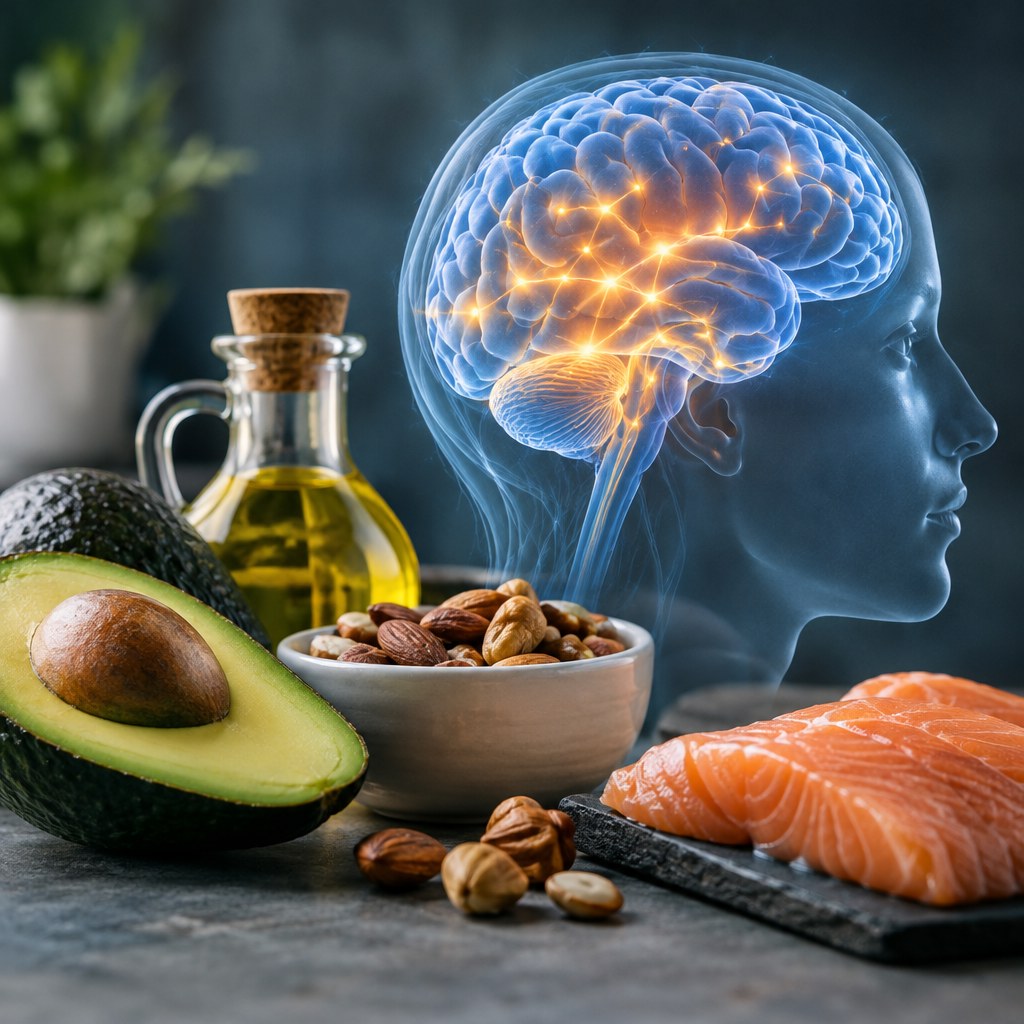
What Research Can and Cannot Tell Us
Ketogenic diets are an established treatment option for some children and adults with drug-resistant epilepsy, under specialist supervision. This is the clearest example of ketones and brain metabolism being clinically useful, although the diet’s effects may involve signaling, neurotransmitters, and mitochondrial function as well as fuel supply. Studies in mild cognitive impairment, Alzheimer’s disease, traumatic brain injury, migraine, depression, and bipolar disorder are smaller, mixed, or early-stage. A biological rationale is not proof that a diet prevents, treats, or reverses these conditions.
Small human studies sometimes find improved cognitive test performance or brain-energy markers after ketosis, particularly in people with impaired glucose metabolism. Other studies find little difference, and long-term clinical outcomes are uncertain. Effects may reflect weight loss, fewer glucose swings, altered calorie intake, sleep changes, expectations, or the diet itself. It is therefore more accurate to say ketones can fuel the brain effectively than to say they make every brain run better.
Why Ketones Might Feel Different
Why might people feel different? Ketone bodies produce energy through pathways that differ from glucose metabolism and may change cell signaling. Beta-hydroxybutyrate also has signaling roles studied in inflammation and gene regulation. Scientists are investigating whether this matters for oxidative stress, neuronal excitability, or insulin resistance in the brain. These mechanisms are plausible, not a permission slip to turn laboratory findings into personal medical conclusions.
Individual response is shaped by the quality of the diet and the person’s starting point. A keto pattern built around fish, eggs, unsweetened dairy if tolerated, tofu, non-starchy vegetables, nuts, seeds, olive oil, and adequate protein differs greatly from one dominated by processed meats and butter. A nutritious diet that includes carbohydrates can also support brain health. The useful comparison is not keto versus failure; it is a sustainable eating pattern that meets nutritional, cultural, financial, and medical needs.
Who Should Use Extra Caution?
A ketogenic diet is a significant intervention, not simply a wellness trend. Speak with a qualified clinician or registered dietitian before changing your diet if you use insulin or sulfonylureas, take blood-pressure medicines or diuretics, have kidney, liver, pancreatic, or gallbladder disease, are pregnant or breastfeeding, have an eating-disorder history, or have had bariatric surgery. Medication doses can require adjustment, and abrupt carbohydrate reduction can create avoidable risks.
People with type 1 diabetes need particular medical guidance, because ketosis can be difficult to distinguish from evolving ketoacidosis without appropriate monitoring. Keto can also cause constipation, dehydration, nausea, nutrient shortfalls, and unfavorable lipid changes in some people. Seek prompt care for vomiting, deep or rapid breathing, confusion, severe weakness, or persistently high blood glucose—especially if you have diabetes.
A Practical, Evidence-Aware Way to Try Keto
If you and your healthcare team decide keto is reasonable, make the trial specific and time-limited. Clarify the goal, review medicines, and establish a baseline for symptoms, sleep, bowel habits, mood, and relevant laboratory tests. Plan meals rather than relying on keto-labelled snack foods. Include fibre-rich low-carbohydrate plants where possible, fluids, salt only as individually advised, and enough protein to preserve muscle. People who are older, living with chronic illness, or recovering from illness may need especially individualized advice.
Track the outcome that matters, not only body weight or urine strips. For example, a person seeking more stable afternoon focus could record sleep, meals, caffeine, concentration, and energy for several weeks. If symptoms worsen, eating becomes stressful, or the approach cannot fit ordinary life, stopping is useful information—not a failure. A Mediterranean-style or other balanced eating pattern may be a better long-term fit.
The Bottom Line
Ketones are legitimate brain fuel, and ketosis can be therapeutically valuable in carefully selected situations. Yet current evidence does not show that every person will think more clearly or protect their brain by eating keto. The strongest choice is one based on your health history, preferences, resources, and professional guidance—not a promise made online. Curiosity is reasonable; careful monitoring and compassion for your body matter more than dietary perfection. You do not have to work through uncertainty alone. Take it slowly.
Find Steady Support While You Decide
Questions about food, illness, or brain health can feel isolating. Explore free support and practical resources at your own pace today.
Where specialist guidance supports ketogenic therapy
NICE epilepsy guidance supports consideration of a ketogenic diet under specialist supervision for selected epilepsy syndromes and drug-resistant epilepsy when other options have failed or are unsuitable. This cannot be generalised to every neurological condition. For Alzheimer’s, the 2021 Phillips trial found improvements in some outcomes but no statistically significant benefit on its main cognitive test.
Can a normal glucose reading rule out ketoacidosis?
No. In particular, people using SGLT2 inhibitors can develop ketoacidosis with near-normal glucose. Vomiting, abdominal pain, unusual breathing or confusion require urgent assessment. MHRA medicine safety guidance explains this risk.
Related reading
Explore Keto & Metabolic Health, Carnivore & Ketovore and our practical resources.
Sources checked 22 September 2026. Educational content; dietary changes during illness require individual advice. Illustrations are not patient testimonials or evidence of treatment effects.