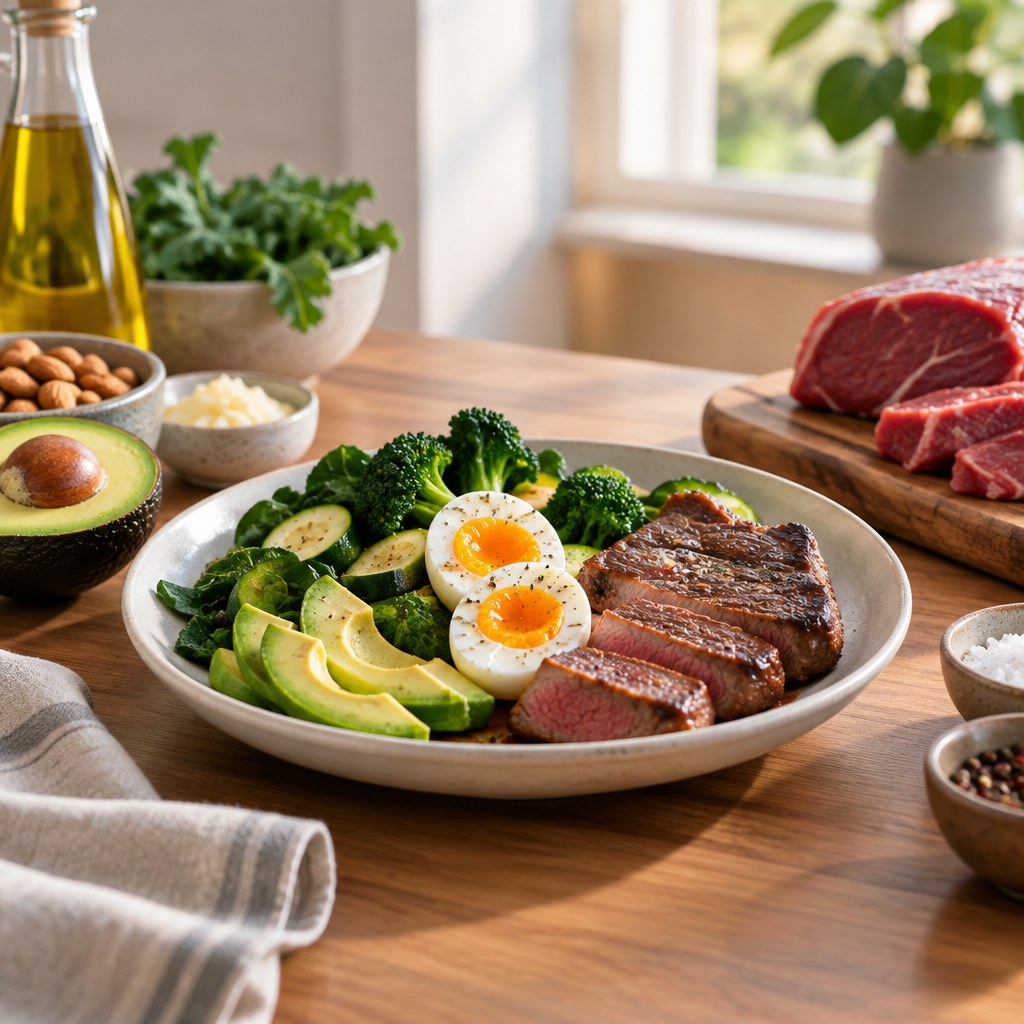
Category: Carnivore & Ketovore

  • Ketovore on a Budget: Building Simple, Nutrient-Dense Meals

    Ketovore on a Budget: Building Simple, Nutrient-Dense Meals

    A budget-friendly ketovore approach can be simple: build most meals around affordable animal foods, add low-carbohydrate plant foods if you choose, and buy ingredients you can use in more than one meal. You do not need specialty powders, expensive cuts of meat, or a perfect plan to start cooking nourishing food with what you can realistically afford.

    Why keeping meals simple matters

    Food changes can feel overwhelming when money, energy, symptoms, or family routines are already stretched. A ketovore pattern may appeal to you because it combines ideas from ketogenic eating, which is low in carbohydrates, with a stronger focus on animal foods. But the label matters less than creating meals that are filling, affordable, and workable for your life.

    Choosing a smaller number of reliable ingredients can reduce waste and decision fatigue. Eggs, tinned fish, minced meat, chicken thighs, yoghurt, cheese, frozen vegetables, and inexpensive cuts that benefit from slow cooking can all have a place, depending on your preferences and health needs.

    It is also worth keeping expectations grounded. Ketovore eating has not been studied as extensively as many other dietary patterns. Some people report that reducing highly processed foods and refined carbohydrates helps them feel more satisfied, but individual responses vary. It is not a proven cure for chronic illness, pain, mental health conditions, or other medical concerns.

    Hands preparing chicken and vegetables on a kitchen worktop
    Simple ingredients can become several satisfying meals across the week.

    What “ketovore” means in everyday cooking

    Ketovore is not a tightly defined medical diet. In everyday use, it usually means eating mostly animal-based foods while keeping carbohydrate intake low enough to support a ketogenic approach, if that is your goal. Keto refers to a dietary pattern that greatly reduces carbohydrate foods; some people use it to encourage ketosis, a metabolic state in which the body produces ketones for energy.

    A practical ketovore plate might include meat, eggs, fish, or full-fat dairy, with optional low-carbohydrate vegetables such as cabbage, courgette, mushrooms, leafy greens, or cauliflower. The exact balance is personal. You do not have to eat only steak, bacon, butter, or expensive “keto” products.

    Nutrient-dense means that a food provides useful nutrients relative to the amount you eat. Eggs offer protein and several vitamins and minerals. Oily fish can provide protein and omega-3 fats. Meat and shellfish can contribute iron, zinc, and vitamin B12. Vegetables, where included, can add fibre and a wider range of micronutrients.

    💡 Practical perspective: The most useful version of ketovore is the one you can sustain without skipping needed medical care, overspending, or feeling trapped by rigid food rules.

    Build your low-cost food base first

    Start with foods that are versatile, satisfying, and often less costly than premium cuts. Prices vary by area, so compare unit prices, look for reductions you will use promptly, and consider frozen or tinned options.

    🥚

    Eggs and dairy

    Eggs work for breakfasts, omelettes, egg salad, and tray bakes. Plain yoghurt, cottage cheese, and cheese can add variety if you tolerate dairy.

    🐟

    Tinned and frozen fish

    Tinned sardines, mackerel, salmon, or tuna can be convenient cupboard staples. Frozen fish may cost less than fresh and reduces pressure to use it immediately.

    🍗

    Value cuts and mince

    Chicken thighs, minced beef, pork shoulder and stewing cuts can make several portions. Slow cooking can make tougher cuts tender and useful. Liver is rich in vitamin A: avoid liver and liver products during pregnancy, and do not make large, frequent portions a routine.

    Choose 4 repeatable meal formats

    • Egg meal: scrambled eggs with cheese and mushrooms, or an omelette with leftover meat.
    • Pan meal: minced meat cooked with cabbage, courgette, or frozen cauliflower, seasoned simply.
    • Tray or slow-cooker meal: chicken thighs or a joint cooked once, then used in salads, soups, or reheated bowls.
    • Fish meal: sardines or mackerel with boiled eggs, leafy greens, and a mayonnaise or yoghurt-based dressing.

    Shop and cook with less waste

    Before shopping, check what you already have. Plan around 2 proteins, 1 or 2 low-carbohydrate vegetables, and a few flavour basics such as salt, pepper, herbs, vinegar, mustard, or stock. Buy the amount you can store safely and realistically cook.

    Batch cooking does not mean eating the identical plate every day. Cook a larger pack of mince, then use it in a cabbage skillet one day, stuffed mushrooms the next, and an egg-based bake later in the week. Roast chicken can become a hot meal, a cold lunch, and a broth or soup base.

    Keep leftovers safe: refrigerate perishable cooked food within two hours (one hour in temperatures above 32°C), keep the fridge at 4°C or below, and use refrigerated leftovers within three to four days or freeze them. Reheat leftovers thoroughly to 74°C. During power cuts, follow local food-safety advice and discard food that has not stayed safely chilled. If fatigue or mobility makes cooking difficult, choose the simplest safe option available, such as tinned fish, boiled eggs, ready-cooked plain chicken, or frozen vegetables.

    ⚠️ Health note: Speak with a qualified clinician or dietitian before making major dietary changes if you use glucose-lowering medication, take medication for blood pressure, have kidney disease, are pregnant or breastfeeding, have a history of an eating disorder, or manage a serious health condition.

    Common budget mistakes and quick fixes

    Buying “keto” branded snacks

    Convenience foods can be appealing, but they are often expensive and may not be especially filling. Quick fix: keep eggs, cheese, tinned fish, leftovers, or plain yoghurt available instead.

    Only buying premium meat

    Expensive steaks are not a requirement for nutrient-dense eating. Quick fix: rotate mince, eggs, chicken thighs, tinned fish, and slow-cook cuts according to what is affordable locally.

    Making the diet too narrow

    Eating the same few foods can become tiring and may leave nutritional gaps. Quick fix: rotate protein sources, include foods you tolerate, and consider discussing your overall intake with a registered dietitian.

    Ignoring hydration and digestion

    Dietary changes can affect bowel habits, appetite, and fluid needs. Quick fix: drink regularly, introduce changes gradually, and include low-carbohydrate plant foods or other fibre sources if they suit you.

    Start with one affordable meal

    Choose 2 staple proteins, plan 3 easy meals, and notice what helps you feel nourished and able to continue. Small, realistic changes count.

    For more practical encouragement and community support, explore Stronger Together’s free support options and resources. You do not have to face it alone.

    Find Support

    Sources and further reading

    Source links reviewed 10 October 2026. General information; individual health decisions should be discussed with a qualified healthcare professional. Illustrative images do not depict identified patients or prove treatment benefits.

  • Why Carnivore Research Is So Difficult: Separating Testimonials From Evidence

    Why Carnivore Research Is So Difficult: Separating Testimonials From Evidence

    What counts as a carnivore diet—and as evidence?

    Carnivore research is difficult because a person’s reported improvement after changing diet is not the same as proof that the diet caused it. Testimonials can identify questions worth studying, but they cannot reliably separate dietary effects from weight loss, medication changes, expectation, natural symptom variation, or other simultaneous changes.

    For clarity, a carnivore diet is an eating pattern centred on animal-derived foods and usually excludes plant foods. A ketovore diet is less strict and may include small amounts of low-carbohydrate plant foods. Neither term describes one standard intervention: food choices, calorie intake, dairy use, supplement use, duration and health status can differ substantially between people.

    Evidence means information collected with methods designed to reduce bias. The hierarchy is not absolute, but well-conducted randomised controlled trials generally provide stronger causal evidence than uncontrolled surveys, case reports or online testimonials. Evidence also needs to address both potential benefits and potential harms over a meaningful period.

    Woman reviewing printed notes beside a laptop and a plate of meat
    Personal reports can be meaningful while still leaving important scientific questions unanswered.

    Why the research question is harder than it looks

    “Does carnivore work?” is too broad to test well. Work for what outcome: appetite, blood glucose, body weight, inflammatory symptoms, bowel symptoms, mood, athletic performance or long-term cardiovascular risk? The outcome must be defined before results can be interpreted.

    The diet itself is also difficult to standardise. One participant may eat mostly fatty red meat; another may eat eggs, fish, cheese and processed meats; another may restrict calories unintentionally because food choices become repetitive. These versions can have different nutrient profiles, energy intake and effects on blood lipids.

    Testimonials answer a different question

    A testimonial can accurately communicate an individual’s experience: “I felt better after changing what I ate.” It cannot answer whether the change would occur in comparable people, whether it lasts, or whether an unmeasured risk developed at the same time. People who stop a diet because they feel unwell are also less likely to post detailed success stories, a problem called selection bias.

    Regression to the mean is another challenge. Symptoms often fluctuate. If you begin a restrictive diet during an unusually bad spell, improvement may happen later even without the diet. Starting several interventions together—such as eliminating alcohol, sleeping more, reducing ultra-processed foods and beginning supplements—makes attribution even less certain.

    What stronger studies need to separate

    A useful study design tries to distinguish the dietary exposure from competing explanations. This does not dismiss lived experience; it gives researchers a method for testing whether a pattern is repeatable and safe.

    Question What a robust study should address
    What was eaten? Clear food definition, dietary records and, where feasible, objective adherence measures.
    Compared with what? A relevant comparator diet, ideally with similar support and attention.
    What changed? Pre-specified outcomes, including symptoms, laboratory measures and adverse effects.
    For how long? Follow-up long enough to assess maintenance, attrition and plausible longer-term risks.

    Randomisation helps balance known and unknown differences between groups. However, dietary trials still face practical limits: participants know what they are eating, adherence can fall over time, and providing all meals is expensive. Long-term outcomes such as cardiovascular events are particularly difficult to study because they may take years to emerge.

    How to evaluate a carnivore claim

    1. Define the claim precisely. Write down the condition, outcome, diet version and timeframe. “Improved energy” is not interchangeable with treating anaemia, depression or autoimmune disease.
    2. Identify the source type. Classify it as a personal account, survey, observational study, clinical trial, systematic review or guideline. Do not treat these as equivalent.
    3. Check who was included. Ask whether participants volunteered from an online community, were recruited clinically, or represent a broader population. Self-selected groups may be especially motivated and may not reflect people who discontinued.
    4. Look for a comparator and baseline data. Without them, you cannot know whether results differ from usual care, another dietary pattern, or normal variation over time.
    5. Separate outcomes from mechanisms. A plausible explanation—such as reduced carbohydrate intake lowering post-meal glucose—does not establish every claimed outcome or prove long-term safety.
    6. Check what was measured. Self-reported symptoms matter, but objective measures can add context. For example, weight, blood pressure, glucose markers and lipid measures may move in different directions.
    7. Review harms and dropouts. A report that lists benefits but not side effects, discontinuation or changes in medication use is incomplete.

    💡 Practical check: If a source says a diet “reverses” a disease but does not describe diagnostic criteria, comparison group, follow-up and adverse events, treat it as a claim rather than established evidence.

    Checking the claim against the evidence

    When evidence is limited, uncertainty is the accurate conclusion—not automatic proof that a diet is harmful or helpful. A small study may be useful for feasibility or hypothesis generation, yet still be unable to answer questions about long-term outcomes, pregnancy, older age, kidney disease, eating-disorder risk, diabetes treatment or established cardiovascular disease.

    Common interpretation errors

    • Confusing correlation with causation: people who choose a diet may also change exercise, alcohol use, sleep or medical care.
    • Assuming weight loss explains everything: weight change can improve some metabolic markers, but it does not settle questions about nutritional adequacy or individual lipid responses.
    • Ignoring missing data: high dropout can make remaining participants appear more successful than the original group.
    • Overgeneralising: a result in people without diagnosed illness does not establish treatment for a medical condition.

    If you are considering a highly restrictive diet, use a clinician or registered dietitian who can account for your medical history, medications and relevant monitoring. Do not stop prescribed treatment because of a testimonial or an online protocol. Seek timely medical advice for severe weakness, persistent vomiting, fainting, chest pain, significant mood changes or concerning changes in glucose control.

    Questions the evidence still needs to answer

    Carnivore research is challenging because the intervention varies, strong long-term trials are scarce, and individual reports cannot control for bias or confounding. Testimonials deserve respectful listening, especially when they describe unmet needs, but they are starting points for research rather than confirmation of cause, cure or safety.

    Related topics worth exploring include low-carbohydrate dietary research, elimination diets, nutritional adequacy, lipid monitoring, shared decision-making and how to evaluate health misinformation. Useful reference sources include systematic reviews indexed in PubMed, dietary guidance from national public-health bodies, and professional nutrition organisations that disclose their methods and conflicts of interest.

    You do not have to sort through health claims alone

    Explore practical information and free community support while you prepare questions for your healthcare team.

    Find support

    Sources and further reading

    Source links reviewed 10 October 2026. General information; individual health decisions should be discussed with a qualified healthcare professional. Illustrative images do not depict identified patients or prove treatment benefits.

  • Keto or Carnivore: Which Blood Tests Should You Discuss With Your Doctor?

    Keto or Carnivore: Which Blood Tests Should You Discuss With Your Doctor?

    Feeling better is useful feedback. What do your blood tests show?

    Choosing a ketogenic or carnivore way of eating can feel empowering, especially when it helps you simplify meals or notice steadier energy. Yet long-term eating patterns deserve regular, individualised review. Blood tests do not grade your commitment or prove that a diet is good or bad. They give you and your clinician clues about how your body may be responding, alongside symptoms, medical history, medicines, blood pressure, and family risk.

    This conversation matters even if you feel well. Cholesterol changes can be substantial for some people; restrictive diets can also make it easier to miss nutrients or overlook an unrelated condition. On the other hand, a single unexpected result is not a verdict. Timing, recent illness, alcohol, exercise, hydration, supplements, and laboratory methods can affect results. Your doctor can help decide what needs repeating, monitoring, or investigating.

    What testing can and cannot tell you

    A blood test is a snapshot. It cannot diagnose your entire health or show whether one dietary approach suits everyone. Results make more sense when compared with your own earlier values, not someone else’s online target. Ask about trends, the reason for each test, and what action would follow an abnormal result. That turns testing into a shared decision rather than a hunt for “perfect” numbers.

    Featured artwork illustrates a nutrition and blood-test discussion; it is not a patient testimonial.

    Core tests worth raising at a routine review

    The most appropriate panel depends on your age, symptoms, sex, pregnancy status, diagnoses, medications, and previous results. Still, the following topics are commonly reasonable to discuss with the clinician who knows your circumstances.

    Lipids: more than total cholesterol

    Discuss a standard lipid panel: total cholesterol, LDL cholesterol, HDL cholesterol and triglycerides. Non-HDL cholesterol can be calculated from the same panel. ApoB can help assess the number of particles that contribute to artery plaque and may be useful in selected circumstances. Lp(a) is a largely inherited risk factor; the 2026 ACC/AHA guideline recommends measuring it at least once in adulthood, rather than repeatedly as a diet-progress test.

    Interpret these results alongside your overall cardiovascular risk. Lower triglycerides or higher HDL do not make an elevated LDL or ApoB harmless. A substantial rise deserves a discussion about food choices, family history and appropriate treatment.

    Glucose regulation and insulin

    Discuss fasting glucose and HbA1c, which estimates average blood glucose over roughly the previous two to three months. These can help monitor diabetes or prediabetes, but neither captures every situation. Conditions affecting red blood cells can make HbA1c less reliable. Fasting insulin or other measures may sometimes be considered, but their usefulness and interpretation vary. Never adjust insulin, sulfonylureas, or other glucose-lowering medicine without prescriber guidance.

    Kidney, liver, and electrolytes

    Ask which kidney function, electrolyte and liver tests are appropriate. Laboratories may group these differently; in South Africa, your clinician may request urea and electrolytes, creatinine with estimated glomerular filtration rate (eGFR), and liver function tests rather than one universal panel. These tests can be especially relevant if you have kidney, liver, heart, or blood-pressure concerns, use diuretics, or have vomiting or persistent diarrhoea. A recent cooked-meat meal, creatine supplements, muscle mass and hard exercise can affect creatinine and therefore creatinine-based eGFR. Dehydration can also affect results. This does not mean an abnormal result should be dismissed; if interpretation is uncertain, your clinician may consider cystatin C or other assessment. Ask whether fasting, hydration, and avoiding unusually hard training beforehand would make your result easier to interpret.

    Nutrition deficiencies

    Restrictive eating does not automatically cause deficiency, but food variety, appetite, digestive conditions, and life stage matter. Depending on your intake and symptoms, ask whether a full blood count, ferritin and iron studies, vitamin B12, folate, vitamin D, calcium or magnesium testing is justified. Thyroid tests answer a different question and may be appropriate when symptoms or medical history suggest a thyroid problem. These are not universal add-ons. Testing should answer a clinical question, such as fatigue, hair loss, numbness, bone health, anaemia, or an unusually limited menu.

    Practical steps before your appointment

    Bring a simple record: how long you have eaten this way, a typical week of food, supplements, alcohol use, symptoms, weight changes, activity, and medicines. Include over-the-counter products; biotin, for example, can interfere with some laboratory tests. If you have older results, take those too. Ask the laboratory or practice about preparation instructions instead of guessing. A planned retest under similar conditions is often more informative than comparing unrelated tests.

    Use these questions to guide the conversation:

    • Which tests address my personal risks, rather than a generic diet checklist?
    • What was different from my previous result, and does that change matter?
    • Could my medicines, supplements, illness, or training have affected this value?
    • When should we repeat this, and what symptoms should prompt earlier contact?

    Common mistakes and quick fixes

    One common mistake is ordering a huge panel without deciding what each result would change. The quick fix is to start with your history and goals. Another is treating a high LDL result as either harmless or catastrophic without assessment. Ask for a cardiovascular risk discussion and appropriate follow-up. Do not chase supplements to correct a number before confirming the cause. Finally, do not ignore warning signs such as chest pain, severe weakness, fainting, confusion, black stools, or persistent vomiting; seek urgent medical care.

    💡 Tip: Ask your clinician whether an unexpected result needs prompt action, repeat testing or further investigation. Do not delay care for a result flagged as urgent. Keep a copy of your results and the laboratory reference ranges, because ranges and methods can differ.

    One important medication check

    If you take an SGLT2 inhibitor, discuss keto or very-low-carbohydrate eating with your prescribing team before continuing or making further changes. These medicines require particular care because of ketoacidosis risk. Do not stop or adjust medicines yourself; agree on a monitoring and sick-day plan with your clinician.

    Sources and further reading

    Sources reviewed 1 October 2026. General education, not an individual testing prescription. International guidance should be applied with your local healthcare team.

    A calm next step

    Long-term keto or carnivore eating is not a reason to avoid medical care, nor is a blood test a reason for shame. The useful question is: what does this result mean for you, now? Arrange a routine review, bring your questions, and agree on a plan for follow-up. Your clinician may recommend no change, a repeat test, additional assessment, nutrition support, or a different approach based on your health needs. Decisions are strongest when they combine evidence, professional judgment, and your lived experience.

    You may also want a second conversation with a registered dietitian, particularly if your diet is very narrow, you are pregnant or breastfeeding, you have diabetes, kidney disease, heart disease, digestive symptoms, or a history of an eating disorder. Children and teenagers need individual professional advice. Community support can help you prepare questions and feel less isolated, but it cannot replace urgent or ongoing medical assessment.

    Find support while you plan your next step

    Bring previous results, your medicine and supplement list, and a few notes about your meals and symptoms. Agree on which tests are useful, who will explain the results, and when to follow up. Our support and resources can help you prepare.

    Explore support and resources

  • What Is Ketovore? The Middle Ground Between Keto and Carnivore

    What Is Ketovore? The Middle Ground Between Keto and Carnivore

    Ketovore, Defined

    Ketovore is an informal eating pattern that sits between ketogenic and carnivore approaches. It centres animal foods while allowing selected low-carbohydrate plant foods, usually in smaller amounts than a conventional keto diet. People may choose it because they want keto’s carbohydrate restriction without eating exclusively animal products. The practical question is not whether it is “perfect,” but whether it is nutritionally adequate, sustainable, and appropriate for an individual’s health needs.

    This matters because very-low-carbohydrate diets can affect blood glucose, appetite, digestion, lipid levels, and medication needs. A ketovore plan is not a medical treatment, and it has not been studied as a single, standardized diet. Evidence about ketogenic diets cannot automatically be applied to ketovore, while evidence for long-term carnivore eating remains especially limited. The outcome worth aiming for is a deliberate food pattern: one that matches your goals, includes foods you tolerate, and is reviewed with a qualified clinician when health conditions or medicines are involved.

    Featured artwork is illustrative, not a patient photograph or testimonial.

    How Ketovore Differs From Keto and Carnivore

    A ketogenic diet usually restricts carbohydrates enough to encourage nutritional ketosis, a metabolic state in which the body produces ketones. Food choices can include meat, fish, eggs, dairy, oils, nuts, seeds, and non-starchy vegetables. A carnivore diet generally removes plant foods and relies almost entirely on animal-derived foods. Ketovore has no universally accepted rulebook, but it commonly keeps meat, fish, eggs, and animal fats central while retaining a limited selection of plants.

    For example, a ketovore plate might include salmon, eggs, courgette, leafy greens, olives, or a small serving of berries. Another person may include fermented vegetables or avocado but avoid grains, sugar, legumes, and most higher-carbohydrate fruit. These choices do not guarantee ketosis. Total carbohydrate intake, protein intake, activity, energy needs, and individual metabolism all influence whether someone produces measurable ketones.

    💡 Important: “Ketovore” describes a preference rather than a clinically defined protocol. Two people using the label may eat very differently.

    Why People Consider a Middle Ground

    Some people find that removing refined carbohydrates and ultra-processed foods simplifies meals and reduces decisions. Others prefer animal foods for their protein content, taste, or convenience, yet value the fibre, flavour, and variety that carefully chosen plant foods can provide. Ketovore may also feel less socially restrictive than carnivore when eating with colleagues, travelling, or preparing shared family meals.

    However, personal comfort is not proof of long-term health benefit. Some people report improved appetite control or fewer digestive symptoms after changing their diet, but individual reports cannot establish cause or predict another person’s result. Symptoms may also change because people eat fewer processed foods, alter alcohol intake, lose weight, change meal timing, or make several lifestyle changes at once.

    Build a Ketovore Plan Carefully

    Start by deciding what you are trying to solve. Is your priority reducing sugary snacks, improving meal structure, managing hunger, or testing whether particular foods worsen symptoms? A clear purpose prevents unnecessary restriction. If your goal is weight, glucose, blood pressure, digestive symptoms, or cholesterol management, consider discussing it with a registered dietitian or clinician who can interpret your wider health picture.

    A practical starting checklist

    • Choose protein-rich staples such as eggs, fish, poultry, meat, yoghurt, or cheese if tolerated.
    • Add a short list of low-carbohydrate plant foods you enjoy, such as greens, mushrooms, peppers, berries, or herbs.
    • Plan meals before reducing foods, especially during busy workdays or travel.
    • Track energy, digestion, sleep, mood, and food satisfaction rather than relying only on scales or ketone readings.
    • Review the plan after two to four weeks and adjust based on practical evidence.

    Keep meals simple at first. Breakfast could be eggs with spinach; lunch could be chicken salad with olive oil; dinner could be beef, fish, or tofu with non-starchy vegetables. Tofu is not carnivore, but some people use it within a low-carbohydrate pattern. The point is to define your own boundaries honestly rather than forcing a label that does not fit your actual meals.

    Risks, Limitations, and Common Mistakes

    Very-low-carbohydrate patterns can cause constipation, headaches, fatigue, cramps, or changes in exercise performance, particularly during an abrupt transition. Adequate fluids, sensible salt intake when medically appropriate, and fibre-containing foods may help some people. Persistent or severe symptoms deserve medical advice rather than internet troubleshooting. Restrictive plans can also make social eating stressful or contribute to an unhealthy preoccupation with food rules.

    Extra caution is needed for people who use insulin, sulfonylureas, blood-pressure medicines, or medicines that affect fluid balance, because dietary change may alter medication requirements. People who are pregnant or breastfeeding, have kidney disease, a history of eating disorders, pancreatitis, significant liver disease, or an inherited fat-metabolism disorder should seek individual professional advice before attempting a restrictive diet.

    A frequent mistake is treating vegetables, fruit, or carbohydrates as automatically harmful. Another is assuming that unlimited butter, processed meat, or fatty cuts are harmless because carbohydrates are low. Diet quality still matters. Include a range of protein sources where possible, notice how saturated fat affects your blood lipids, and do not ignore routine health monitoring recommended by your clinician.

    If you take an SGLT2 inhibitor, discuss a very-low-carbohydrate diet with your prescribing team before starting: this combination can increase the risk of diabetic ketoacidosis. Do not change prescribed medicines yourself.

    Sources and further reading

    These sources discuss low-carbohydrate diets and diabetes safety; they do not establish ketovore as a proven treatment.

    A Simple Decision Framework

    Ketovore may be worth exploring if you prefer animal-based meals, want room for selected plants, and can approach the experiment without expecting a cure. It may be a poor fit if it increases anxiety, excludes foods you need, worsens symptoms, or conflicts with medical advice. Choose the least restrictive pattern that helps you meet your goals and sustain enjoyable, nourishing meals.

    Take Your Next Step With Support

    If food changes feel confusing or isolating, explore Stronger Together – United We Stand’s support and resources. You do not have to work through health decisions alone, and professional guidance can help you make changes safely.

  • How to Transition From a Standard Diet to Keto, Then Ketovore

    How to Transition From a Standard Diet to Keto, Then Ketovore

    Important: Keto and ketovore can require medication changes and are not appropriate for everyone. This article is educational; speak to your prescriber or a registered dietitian before making major carbohydrate changes if you have a health condition or take medication.

    Why a staged transition works

    Moving from a standard diet built around bread, snacks, sweetened drinks and frequent convenience meals to keto can feel abrupt. Keto sharply reduces digestible carbohydrate so the body shifts toward using fat and ketones for fuel. Ketovore is a further variation: it keeps keto’s low-carbohydrate framework while making animal foods the centre of most meals, with selected low-carbohydrate plant foods if they suit the person.

    A staged approach gives you time to learn meal planning, recognise side effects, and decide whether a more restrictive pattern is genuinely useful. It also avoids treating ketovore as a cure for pain, autoimmune disease, mental health conditions, or other illnesses. This article offers a practical route, alongside reasons to pause and seek individual clinical advice.

    Understand the two transitions before changing food

    A standard diet may contain large amounts of refined carbohydrate, ultra-processed food, or sugary drinks, although people eat differently. Keto usually means reducing carbohydrate enough to promote nutritional ketosis; exact carbohydrate limits and protein targets vary. It is often built from meat, fish, eggs, dairy if tolerated, non-starchy vegetables, nuts, seeds, olive oil, avocado, and other fats.

    Ketovore has no universally accepted clinical definition. In common use, it describes a mostly animal-based keto pattern: meat, seafood, eggs, and sometimes dairy form the base, while herbs, low-carbohydrate vegetables, or berries may remain. The choice is personal rather than medically required. Evidence for ketogenic diets is stronger for some specific clinical uses than for broad claims about ketovore; restrictive approaches need careful individual assessment.

    Phase one: prepare and begin keto

    Before cutting carbohydrate, schedule a review of your usual week. Note meals, beverages, snacks, cooking skills, budget, shift patterns, and social commitments. Choose a start date when you can shop, cook, and observe how you feel. If you manage staff or a household, simplify the shared environment rather than relying on willpower alone.

    Eggs, salmon, avocado, herbs and leafy greens arranged on an outdoor table beside a garden
    A planned transition makes meals simpler and easier to observe.

    1. Remove the biggest carbohydrate sources first

    For one to two weeks, replace sugar-sweetened drinks, sweets, pastries, breakfast cereal, white bread, rice, pasta, and large portions of potatoes with lower-carbohydrate alternatives you can sustain. Build each meal around a protein source and add non-starchy vegetables or salad if wanted. Examples include eggs with spinach, chicken with roasted courgette, or salmon with greens. Read labels: sauces, flavoured yoghurts, and “healthy” snack bars can contain sugar.

    2. Replace, do not merely remove

    Feeling deprived makes rapid reversal more likely. Plan filling options before removing familiar foods: tinned fish, cooked meat, eggs, cheese if tolerated, unsweetened yoghurt if appropriate, olives, and prepared vegetables can reduce last-minute choices. Keep meals ordinary and repeatable. A business owner travelling between meetings might pack eggs, leftovers, or unsweetened drinks rather than arriving hungry at a vending machine. Drink to thirst and include adequate food; keto is not a directive to starve or skip nutrition.

    3. Monitor, then adjust

    For the first two weeks, track meals, appetite, bowel habits, sleep, energy, and any troublesome symptoms. A food diary identifies patterns better than guesses. Temporary headache, fatigue, nausea, cramps, or constipation can occur during carbohydrate reduction. Rest, regular meals, fluids, and attention to electrolyte intake may help, but severe, persistent, or worrying symptoms deserve medical advice.

    Phase two: decide whether ketovore fits

    After several weeks of a stable keto routine, pause before narrowing food choices further. Ask what problem you are trying to solve. Is it meal simplicity, persistent hunger, digestive comfort, food preference, or an attempt to manage symptoms? A ketovore trial may make shopping and cooking simpler for some people, but it removes variety and can make social eating harder. It is not automatically a higher-quality diet.

    Use a short, structured experiment rather than an open-ended restriction. Keep your core meals consistent for two to four weeks, then remove only the plant foods you suspect are unhelpful, if you still want to try it. Record digestion, energy, food enjoyment, and how manageable the plan feels. Reintroduce one food at a time if you want clearer information. Symptoms can change for many reasons, so a personal response does not prove cause.

    Prepared protein meals and vegetables beside a meal-planning notebook
    Illustrative image: planning meals can make dietary changes easier to review.

    Protect nutritional quality and flexibility

    Prioritise minimally processed protein sources and enough total food. Include fish and seafood where practical, vary animal foods, and consider whether eggs or dairy work for you rather than assuming they must. Very restrictive eating can reduce fibre and several micronutrient sources; individual needs differ. Discuss appropriate monitoring with a qualified clinician or dietitian, especially if the pattern becomes long-term. You can step back to a broader keto plan at any time; that is useful learning, not failure.

    Who needs medical guidance before changing diet

    Do not start keto or ketovore without prescriber input if you use insulin, sulfonylureas, or sodium-glucose cotransporter-2 inhibitors for diabetes; major carbohydrate changes can alter medication needs, and SGLT2 medicines carry a risk of ketoacidosis. Guidance is also important during pregnancy or breastfeeding, with a current or past eating disorder, kidney disease, liver or pancreatic disease, gout, significant digestive disease, or unexplained weight loss. Children and adolescents require specialist advice.

    Seek timely care for vomiting, confusion, fainting, severe weakness, chest pain, or signs of dehydration. Do not stop prescribed medication because a diet seems to help. The International Diabetes Federation and the NHS provide general diabetes information, but individual medication decisions belong with the clinician who knows your history. For balanced evidence summaries, consult registered dietitians and trusted public health guidance.

    A simple decision framework and next step

    Choose keto first if you want to reduce carbohydrate while retaining a broad range of whole foods. Consider a time-limited ketovore trial only after keto feels stable and meals remain satisfying. Return to broader keto or another balanced approach if restriction significantly increases anxiety, isolation, constipation, cost, or nutritional difficulty.

    Write down one change for this week: replace a sugary drink, plan three protein-centred meals, or book a clinical review. Invite a supportive person to help with shopping or meal preparation if that makes change easier. Support is not a failure of independence; it is a practical resource.

    Pause and get medical advice before continuing if:

    • You use insulin, a sulfonylurea or an SGLT2 inhibitor such as empagliflozin or dapagliflozin.
    • You are pregnant, breastfeeding, under 18, have kidney, liver or pancreatic disease, or have a current or past eating disorder.
    • You develop vomiting, confusion, fainting, severe weakness, chest pain, marked dehydration or rapidly worsening symptoms.
    • The diet increases anxiety, bingeing, social isolation or difficulty meeting nutritional needs.

    Frequently asked questions

    Must I progress from keto to ketovore?

    No. Ketovore is not a required next stage and has no universally accepted clinical definition. A broader eating pattern may offer more variety and be easier to sustain.

    How quickly should carbohydrates be reduced?

    There is no single pace suitable for everyone. A gradual transition can make meal planning and symptom monitoring easier. Medication users should agree changes with their prescriber.

    Is feeling unwell always normal during adaptation?

    No. Mild, short-lived symptoms can occur, but severe, persistent or worrying symptoms should not be dismissed as “keto flu.” Stop and seek appropriate medical advice.

    Trusted sources and further reading

    Sources checked 25 September 2026. Links are provided for education and may be updated by their publishers.

    Find support while you learn

    Dietary changes can bring practical and emotional questions. Explore Stronger Together – United We Stand’s free support and resources for encouragement, shared learning, and next steps. Donations are optional.

    Explore support

  • Dr Anthony Chaffee: Carnivore Nutrition, Videos and Resources

    Dr Anthony Chaffee: Carnivore Nutrition, Videos and Resources

    Dr Anthony Chaffee is an American medical doctor practicing in Australia, a former professional rugby player, and host of The Plant Free MD podcast. He is widely known online for advocating a carnivore or meat-based approach to nutrition and for discussing metabolism, chronic disease, athletic performance and human nutrition.

    Dr Chaffee presents a strong case for animal-based nutrition and challenges many conventional dietary ideas. Some of his conclusions—particularly broad claims about plants, chronic disease and an exclusively carnivorous diet—remain debated within nutrition science. The videos below are therefore presented as educational resources and a perspective worth examining, rather than as individual medical advice.

    Dr Anthony Chaffee on YouTube

    Official YouTube channel: Anthony Chaffee MD on YouTube

    His channel contains interviews, longer discussions, live question-and-answer sessions and shorter educational videos covering carnivore nutrition, metabolic health, protein, fat, cholesterol, plant foods and related health topics.

    Selected videos

    Dr Chaffee on carbohydrates — YouTube Short

    From Anthony Chaffee MD’s YouTube channel: “Proof That Humans Are NOT Meant To Eat Carbohydrates.” This is the creator’s title and viewpoint, rather than an established scientific conclusion.

    Watch this Short on YouTube

    Understanding the Carnivore Diet — Live Q&A

    This video introduces several of the questions commonly raised around carnivore eating and provides a useful starting point for understanding Dr Chaffee’s perspective.

    Carnivore Diet Live Q&A

    In this extended question-and-answer session, Dr Chaffee discusses topics including protein intake, saturated fat, omega-3 fats, ketosis, fasting, the microbiome and questions from people using carnivore or ketogenic diets.

    Explore more of his work

    Readers interested in his work can visit Dr Anthony Chaffee’s official website or browse his YouTube channel for additional interviews and discussions.

    A note on health information

    Nutrition is an area in which evidence, individual circumstances and medical conditions matter. A person’s response to a ketogenic or carnivore diet can differ, and restrictive diets may require particular care for people taking medication or living with chronic disease. These videos are provided for education and discussion and should not replace personalised medical advice.

  • 30 Days of Carnivore: What Changes Inside the Body—and What Science Cannot Yet Tell Us

    30 Days of Carnivore: What Changes Inside the Body—and What Science Cannot Yet Tell Us

    The question behind a 30-day experiment

    A carnivore diet usually means animal foods only: meat, fish, eggs, and sometimes dairy, while grains, fruit, vegetables, legumes, nuts, and added sugar are removed. A thirty-day trial is often presented as a clean test of energy, digestion, pain, or weight. It is not that simple. The outcome reflects a major change in carbohydrate intake, calories, fibre, food variety, sleep, expectations, and medical context. This article separates likely short-term changes from claims that remain unproven, so you can make a safer, better documented decision.

    For busy people, the practical question is not whether an online advocate feels better. It is whether the potential benefit justifies the trade-offs, monitoring, and uncertainty in your own circumstances. Thirty days can reveal tolerability and patterns; it cannot establish long-term safety, reverse disease, or prove that one excluded food caused every change.

    Woman eating steak and vegetables at a kitchen table
    A short trial can produce real observations, not final answers.

    What may change during the first month

    Most people sharply reduce carbohydrate when they stop eating plant foods. Liver glycogen, the stored form of carbohydrate, falls and releases water; early scale loss may therefore be substantial without representing equivalent fat loss. As carbohydrate availability falls, insulin secretion generally decreases and the liver produces more ketone bodies. Some people report steadier appetite or fewer glucose swings. Those experiences are plausible, particularly when the previous diet contained refined carbohydrates, but they do not demonstrate that animal-only eating is uniquely responsible.

    Adaptation can also be uncomfortable. Headache, tiredness, dizziness, cramps, constipation, diarrhoea, nausea, and poorer exercise performance can occur, especially early on. Dehydration, lower sodium intake, reduced fibre, abrupt caffeine changes, or simply eating too little may contribute. Symptoms deserve attention rather than being dismissed as a required “transition.”

    Metabolism is not the whole story

    Removing plants also removes many familiar sources of fibre, vitamin C, folate, potassium, magnesium, and protective plant compounds. Meat, seafood, eggs, and dairy can provide protein and several important nutrients, but adequacy depends on food selection and quantity. A menu of only processed meat and cheese is nutritionally different from one including fish, eggs, varied unprocessed meats, and appropriate clinical advice.

    💡 Important context: Ketosis is a metabolic state, not a diagnosis or a guarantee of improved health. Blood ketones can rise while LDL cholesterol rises, bowel habits worsen, or nutritional intake becomes less adequate. Measure outcomes that matter to you, and discuss concerning changes with a qualified clinician.

    What science supports—and what it cannot answer

    Research on very-low-carbohydrate and ketogenic diets offers some relevant evidence, but carnivore diets are not the same intervention. Controlled research supports carbohydrate restriction as one option that can improve blood glucose and promote weight loss for some adults in the short term, usually alongside clinical support. Results vary, adherence is difficult, and longer-term cardiovascular and nutritional outcomes depend on the diet’s composition and the person.

    Evidence specific to all-animal diets is limited, largely observational, and vulnerable to self-selection: people who feel well may be more likely to report their experience. It cannot reliably tell us whether reported improvements come from ketosis, weight loss, eliminating ultra-processed foods, removing an intolerance trigger, regression to the mean, or expectation. Nor can a month show the lifetime effects of high saturated-fat intake, low fibre, or restricted food variety.

    Claims that should remain claims

    Stories about autoimmune disease, depression, chronic pain, hormone balance, and cognition deserve respect, especially when someone has struggled for years. They are not proof of treatment. There is no sound basis for claiming that thirty days of carnivore cures cancer, autoimmune illness, dementia, or mental-health conditions. Do not stop prescribed medicines or delay assessment because symptoms temporarily improve. A changing diet can alter glucose control, blood pressure, bowel function, and medication needs.

    Who should not experiment alone

    Medical supervision is particularly important for people who use insulin, sulfonylureas, blood-pressure medicines, diuretics, or medicines affected by food and fluid intake. It is also prudent during pregnancy or breastfeeding, with an eating-disorder history, kidney disease, gout, significant lipid abnormalities, liver or pancreatic disease, frailty, or an active serious illness. Children and teenagers need individual professional advice; restrictive adult diet trends are not a substitute for growth-focused nutrition.

    Seek urgent care for fainting, confusion, chest pain, severe weakness, persistent vomiting, signs of dehydration, or symptoms of dangerously low or high blood glucose. These are not problems to “push through.”

    A practical thirty-day protocol

    If you and your clinician decide a trial is reasonable, treat it as a structured observation rather than a loyalty test. Choose a start and end date, keep the food plan simple, and decide beforehand what would make you stop.

    Before you begin

    • ✅ Record a baseline: body weight if useful, waist measurement, blood pressure if you already monitor it, energy, sleep, bowel habits, mood, pain, and training capacity. Ask your clinician whether laboratory testing is appropriate for your risk profile.
    • ✅ Plan adequate fluids and regular meals. Avoid assuming that every symptom requires supplements, extra salt, or more dietary fat; individual needs and medical conditions differ.
    • ✅ Prioritise food quality and variety within the chosen restriction. If dairy, eggs, or processed meats worsen symptoms, note the pattern rather than making a sweeping conclusion.
    • ✅ Protect social routines. Tell a trusted person what you are doing, plan work meals, and avoid turning one difficult meal into a sense of failure.

    Review at days seven, fourteen, and thirty

    Use brief notes, not memory. Look for trends in symptoms, functioning, and eating behaviour. Consider whether changes might reflect reduced alcohol, fewer takeaways, regular meal timing, or a calorie deficit rather than carnivore eating itself. If constipation, fatigue, compulsive restriction, or abnormal readings persist, stop the experiment and seek advice.

    Make the decision from evidence, not identity

    A useful thirty-day result is specific: “my afternoon hunger fell, but constipation increased,” or “my glucose readings changed and my prescriber adjusted the plan.” An unhelpful result is a universal conclusion based on enthusiasm or fear. Continue, modify, or stop according to measurable benefit, nutritional adequacy, safety markers, cost, enjoyment, and sustainability. For many people, a less restrictive whole-food approach may answer the original problem with fewer trade-offs.

    You do not have to navigate this alone

    Explore free peer support and practical resources, then bring individual questions to an appropriate health professional today.

    Find support

  • Carnivore Success Stories vs Clinical Evidence: How Should We Interpret Them?

    Carnivore Success Stories vs Clinical Evidence: How Should We Interpret Them?

    The question behind a powerful testimonial

    Stories about eating only animal foods can be compelling. Someone may describe less pain, steadier energy, weight loss, clearer thinking, or fewer digestive symptoms after beginning a carnivore diet. Those changes deserve respectful attention, especially when a person has felt dismissed or unwell for years. Yet a personal result cannot, by itself, show that the diet caused the improvement, that it will last, or that it is safe for someone else.

    The practical goal is neither to dismiss success stories nor to treat them as proof. For people considering dietary changes, the useful question is: what can this account tell us, what can it not tell us, and what evidence would change a responsible recommendation? This article offers a way to listen with empathy while keeping decisions proportionate to evidence, risk, and the individual’s circumstances.

    Woman using a laptop beside a cooked meat meal.
    Personal experiences can guide questions, but they cannot settle them.

    Why a success story is useful but incomplete

    An anecdote records a real experience, but it usually lacks a comparison group, predefined measurements, and systematic follow up. Symptoms often fluctuate. People commonly change several things at once: they may stop alcohol, ultra processed snacks, or a troublesome food; cook more meals; sleep differently; or become more active. Motivation and community support can also affect behaviour and wellbeing. Improvement may therefore be genuine without proving that meat alone was the active ingredient.

    What stories can legitimately contribute

    Stories are valuable for identifying outcomes worth studying and for helping people describe patterns that conventional appointments may miss. They can highlight adherence barriers, food access, social pressures, and changes a standard questionnaire may not capture. A clinician or organisation can use them as hypotheses: Did symptoms improve after removing a specific food? Were medicines changed? Were laboratory values checked? What happened after six months, not merely during an enthusiastic first week? The answers shape better questions; they do not establish causation.

    What clinical evidence asks that stories cannot

    Clinical research aims to reduce some of these uncertainties. Randomised trials can compare approaches and reduce selection effects; prospective cohort studies can track outcomes over time; carefully reported case studies can signal possible benefits or harms. Each design has limits. Nutrition trials are difficult to blind, diets vary, and long term adherence is challenging. Still, transparent methods, comparison groups, prespecified outcomes, and peer review make a result more informative than a collection of before and after accounts.

    What the evidence currently supports and leaves open

    Evidence specific to an all animal food carnivore diet remains limited. Published reports include self selected surveys and case reports, which can describe experiences but cannot reliably estimate benefits or long term safety. They do not establish treatment for diabetes, autoimmune disease, mental health conditions, cancer, or chronic pain. By contrast, broader evidence supports dietary patterns rich in minimally processed foods and individualised medical nutrition therapy for some conditions. That does not answer every carnivore question, but it sets an important threshold: extraordinary health claims require robust, relevant human evidence.

    Potential mechanisms are not proof

    People may feel better after carnivore eating for reasons that are plausible but still unproven in that form. Removing highly processed foods may lower energy intake. Restricting carbohydrates can change blood glucose patterns and ketone production. Eliminating particular plant or dairy foods may remove an individual trigger. These mechanisms do not show that a zero fibre, high saturated fat pattern is necessary or advisable for everyone. Outcomes depend on food choices, baseline health, medicines, nutrient intake, and follow up.

    Woman reading research beside a plate of steak.
    Better questions create safer, more useful conversations about dietary change.

    Use a proportionate evidence lens

    Rather than asking whether carnivore is good or bad, match the strength of a claim to the strength of evidence. A short term report of fewer cravings calls for curiosity. A claim that the diet reverses a serious disease, replaces prescribed treatment, or is safe indefinitely needs much stronger support. The greater the possible harm, the more important independent assessment, monitoring, and qualified clinical input become.

    Claim Better interpretation
    One person’s symptom change A useful observation; not a reliable forecast.
    Many similar online posts A signal for research; shared bias remains possible.
    Controlled, relevant human study More informative, yet still assessed for quality and applicability.
    Several consistent studies and guidance Strongest basis for routine decisions, while individual care remains individual.

    A practical process before changing course

    If you are considering carnivore eating, or advising someone who is, turn a dramatic claim into a structured trial of information rather than a leap of faith. This is not a request to self prescribe treatment. It is a way to protect decision quality, identify deterioration early, and make room for personal priorities such as culture, budget, enjoyment, and family meals.

    • Define the outcome and timeframe. Write down the specific symptom, measure, or practical goal; choose a review date before starting.
    • Check context and contraindications. People who are pregnant, breastfeeding, under eighteen, managing kidney disease, using glucose lowering medicines, or living with an eating disorder need individual professional advice before major restriction.
    • Record a baseline. Include food intake, symptoms, bowel changes, energy, sleep, mood, weight if appropriate, and relevant clinician recommended tests.
    • Decide what would count as benefit, no change, or harm. Agree in advance when to stop and when to contact a clinician.
    • Review more than feelings. Consider function, medication safety, blood pressure or glucose where relevant, nutrition adequacy, cost, and whether the plan remains workable.

    Risks, common mistakes, and recovery

    An elimination diet can conceal a problem as easily as it can reveal one. Constipation, fatigue, worsening mood, restrictive eating patterns, changes in lipids, and medication related low blood glucose are examples of concerns that should not be normalised. Risk is not identical for every person, but neither is a positive story a safety screen. Do not stop prescribed medicines or delay assessment of persistent, severe, or new symptoms because an online account sounds convincing.

    💡 A safer recovery step: pause the experiment, document changes, return to adequate familiar meals, and seek timely clinical advice for concerning symptoms or medication questions.

    A simple decision framework

    Use stories to feel less alone and to ask better questions. Use evidence, monitoring, and care to decide what is appropriate for you in your situation, with trusted people nearby.

    Explore support and resources

    A published example: the 2021 carnivore survey

    Lennerz and colleagues surveyed 2,029 adults. This self-selected, uncontrolled survey recorded perceived benefits and satisfaction, not proof of causation or long-term safety. Its methods and limitations should accompany any headline about the results.

    Related reading

    Explore Keto & Metabolic Health, Carnivore & Ketovore and our practical resources.

    Sources checked 22 September 2026. Educational content; dietary changes during illness require individual advice. Illustrations are not patient testimonials or evidence of treatment effects.

  • Keto vs Carnivore for Weight Loss: Is Ketosis Doing the Work?

    Keto vs Carnivore for Weight Loss: Is Ketosis Doing the Work?

    Why the comparison matters

    Weight loss plans can create a deceptively simple question: which diet works fastest? Keto and carnivore are often grouped together because both greatly reduce carbohydrate and can lead to ketosis. Yet they are different eating patterns, with different practical tradeoffs. Keto typically includes low carbohydrate vegetables, plant fats, nuts, seeds, dairy, fish, eggs, and meat. Carnivore removes nearly all plant foods and relies mainly on animal foods. This article explains what ketosis can and cannot tell you about weight loss, how each approach may affect adherence and nutrition, and how to choose a safer, realistic next step. The goal is an informed decision.

    Ketosis is a mechanism not a verdict

    Ketosis occurs when carbohydrate availability is low enough that the liver produces ketones, which can contribute to energy use. That state may make some people less hungry or simplify food choices. It does not override energy intake, sleep, stress, alcohol, medication effects, or activity. Weight can fall quickly during the first days as stored carbohydrate and accompanying water are lost. That early change is not the same as body fat loss. Over time, fat loss still requires an energy deficit. Ketosis may be one tool that helps create it; it is not proof that one food list is superior.

    What keto offers in practice

    Keto is generally a carbohydrate restricted, moderate protein, higher fat pattern rather than a single fixed menu. People commonly build meals around protein, eggs, fish, tofu or meat, plus low carbohydrate plants and added fats. For someone planning everyday meals, its advantage is flexibility: a salad, cooked vegetables, olive oil, yogurt, or berries may fit, depending on the plan. Fiber containing foods can also make bowel habits easier for some people. Keto still needs portions and food quality attention. Cheese, cream, oils, and low carbohydrate snacks can make energy intake climb without much fullness for others.

    Two contrasting plates of food on a table.
    Keto allows flexibility while keeping carbohydrates very low.

    What carnivore changes and limits

    Carnivore makes the rules narrower: animal foods become the menu, while plants are excluded or nearly excluded. Some people report that this simplicity reduces decision fatigue and removes foods they find difficult to moderate. That can be useful information, but it is not evidence that plants are inherently harmful. The restriction also removes common sources of fiber and limits food variety, social flexibility, and options when travelling. Constipation, nutrient gaps, and a less favorable lipid response are concerns worth discussing with a clinician. An animal-only pattern does not guarantee a particular ketone level; intake and individual metabolism vary.

    Is ketosis actually doing the work

    Ketosis can be part of the story, but it is rarely the whole explanation. A person may lose weight on either plan because fewer food choices reduce grazing, protein improves fullness, or meals become more predictable. Another person may maintain or gain weight while in ketosis if energy dense foods are easy to overeat. The most useful question is not, Am I producing ketones? It is, Can I meet my needs, enjoy my meals, and maintain this pattern without harm? Track trends in weight, waist measurement, hunger, energy, digestion, and relevant clinical markers rather than relying on one reading.

    A practical choice process

    Before changing your diet, write the outcome you want: fat loss, steadier appetite, simpler meals, or improved markers. Then use this process:

    • Start with the least restrictive option likely to work. That may be a balanced eating pattern without ketosis, or a less restrictive low-carbohydrate approach.
    • Set a review period, such as two to four weeks, and record meals, hunger, bowel changes, sleep, and weight trend.
    • Plan protein rich meals first, then add fats deliberately rather than automatically.
    • Decide in advance how you will handle work lunches, travel, and celebrations.
    • Review whether the plan remains nourishing, affordable, and socially workable.
    Woman considering different plates of food.
    Sustainable routines matter more than strict dietary labels.

    Who should seek clinical guidance first

    Low carbohydrate diets can change blood glucose and medication needs. Anyone using insulin or medicines that cause low blood glucose should speak with their prescriber before reducing carbohydrate. This is also important with SGLT2 inhibitors because ketogenic diets may raise ketoacidosis risk, a serious emergency distinct from nutritional ketosis. Pregnancy, breastfeeding, eating disorder history, significant kidney, liver, or pancreatic disease, and unexplained weight loss warrant advice. Children and adolescents need professional guidance, not internet protocols. Seek urgent help for confusion, persistent vomiting, severe abdominal pain, difficulty breathing, or weakness. Do not stop prescribed medicines to make a diet fit.

    Common mistakes and better recoveries

    One mistake is treating ketone readings as a scorecard. If health or laboratory markers worsen, a number does not make the approach appropriate. Another is cutting plants while ignoring constipation or low variety. On keto, increase fiber containing foods and fluids gradually. On carnivore, bowel changes deserve review, not dismissal. A third mistake is under eating protein, then relying on added fats for calories. Build meals around adequate protein and choose fats for taste and satisfaction. Do not turn a setback into a verdict. If a plan fails, identify the obstacle: planning, hunger, cost, social pressure, or symptoms. Reassess gently.

    A simple decision framework

    Choose keto if you value flexibility, can include vegetables and other low carbohydrate foods comfortably, and want a structured way to reduce carbohydrate without eliminating food groups. Consider carnivore only with a clear reason, a plan to monitor tolerance and nutrition, and preferably clinical input when risks apply. Neither approach is required for weight loss. A less restrictive eating pattern that creates a manageable energy deficit may be the better answer. Whichever route you choose, define success beyond the scale: stable energy, adequate nutrition, better confidence around food, and a routine you can maintain. Choose review when wellbeing changes as needed.

    Take your next informed step

    You do not need to settle this question alone. Start with a conversation with a qualified clinician or dietitian if medication, illness, pregnancy, or concerning symptoms are part of the picture. Then choose one measured experiment, record what happens, and give yourself permission to change course. Explore the site’s support and resources pages. Stronger Together – United We Stand shares real stories and real support, because sustainable health decisions are easier when people have reliable information and room to be human. Bring questions, not perfection, and ask for help when uncertainty feels heavy. Next step can be small.

    Find support

    What a direct diet comparison found

    The 2022 Keto-Med randomised crossover trial compared a well-formulated ketogenic diet with a Mediterranean-style diet in people with prediabetes or type 2 diabetes. Among 33 participants with complete data, HbA1c did not differ between diets after twelve weeks. Triglycerides fell more on keto, but LDL cholesterol was higher, and fibre and some nutrient intakes were lower. Both patterns reduced weight. This was not a keto-versus-carnivore trial and does not establish long-term superiority for either diet.

    Related reading

    Explore Keto & Metabolic Health, Carnivore & Ketovore and our practical resources.

    Sources checked 22 September 2026. Educational content; dietary changes during illness require individual advice. Illustrations are not patient testimonials or evidence of treatment effects.

  • Carnivore and Ketovore Diets: Potential Benefits, Risks and What to Monitor

    Carnivore and Ketovore Diets: Potential Benefits, Risks and What to Monitor

    Carnivore and ketovore eating patterns have attracted attention online. Definitions vary, but a carnivore diet generally relies almost entirely on animal foods, while “ketovore” is often used informally for an animal-focused diet that allows a limited amount of low-carbohydrate plant food. These approaches should not be confused with medically supervised ketogenic diets used for specific clinical indications.

    Why do people try them?

    People report using very-low-carbohydrate diets for weight management, blood-glucose control, appetite or digestive symptoms. Individual experiences can be meaningful, but testimonials cannot establish whether a diet is safe or effective for a broader population.

    The evidence is not equal for every low-carb approach

    Research exists on ketogenic and lower-carbohydrate diets in particular contexts, but that does not automatically establish the long-term safety or benefit of an all-meat carnivore diet. Extremely restrictive diets can also make it harder to obtain adequate fibre and a broad range of micronutrients.

    Possible issues to discuss

    Depending on food choices and individual response, concerns may include marked changes in LDL cholesterol, constipation, nutrient adequacy and the practical difficulty of sustaining a restrictive diet. People with kidney, liver, gallbladder, cardiovascular or metabolic conditions may need specific advice.

    Medication can change the risk

    People taking glucose-lowering or blood-pressure medicines should not make major carbohydrate or weight-loss changes without considering medication effects. Blood glucose and blood pressure can change, and some medicines may need clinician-supervised adjustment.

    If you choose a restrictive diet

    Tell your healthcare professional what you are actually eating. Depending on your health history, monitoring may include weight, blood pressure, glucose control, lipids, kidney function and nutritional status. Do not assume that feeling better guarantees that every health marker has improved.

    Avoid absolutes

    Nutrition evidence evolves, and individuals respond differently. Be cautious with claims that one diet cures a wide range of unrelated diseases or that all plant foods—or all animal foods—are inherently harmful. Decisions are better based on measurable outcomes, nutritional adequacy and individual medical context.

    This article is general information, not an endorsement of a particular diet or a substitute for medical or dietetic advice.

    What the published carnivore survey can tell us

    A 2021 survey of 2,029 adults following a carnivore diet reported high satisfaction and perceived improvements. It was not a randomised trial: participants selected themselves, results were largely self-reported, and there was no comparison group. People who had already stopped the diet because of problems could be missed. Reported LDL cholesterol was high in the subset supplying lipid results. The study generates research questions; it cannot establish long-term safety or show that carnivore treats cancer, Alzheimer’s disease or autoimmune conditions.

    A monitoring conversation before major restriction

    • State the symptom or health outcome you hope to improve.
    • Review medicines before changing carbohydrate intake.
    • Ask whether kidney function, lipids, glucose or nutritional status need baseline testing.
    • Agree how adequate energy, protein, fibre and micronutrients will be addressed.
    • Choose a review date and clear reasons to stop or modify the plan.

    Vomiting, abdominal pain, unusual breathing or confusion need urgent assessment, particularly with diabetes or SGLT2 medicines. Ketoacidosis can occur without very high glucose. Do not dismiss significant symptoms as normal adaptation.

    How to compare claims fairly

    Ask whether the study tested carnivore itself, a broader low-carbohydrate diet, a supplement or an animal model. Look for a control group, harms, dropouts and outcomes that matter to patients. A ketone reading or testimonial alone cannot answer those questions.

    Related support

    Explore our practical resources and community support. For nutrition questions, browse Keto & Metabolic Health.

    Sources checked 22 September 2026. General education; individual care should be discussed with a qualified healthcare professional.