
Category: Keto & Carnivore: Health & Healing Research

  • Keto and Cancer: Can Altering Glucose Metabolism Affect Tumour Biology?

    Keto and Cancer: Can Altering Glucose Metabolism Affect Tumour Biology?

    The short answer: promising biology, unproven cancer treatment

    A ketogenic diet dramatically reduces carbohydrate intake and usually raises circulating ketones. Because many tumours use glucose avidly, researchers have asked whether lowering glucose availability might slow tumour growth or improve treatment response. The honest answer is: possibly in carefully selected research settings, but not proven as a cancer treatment. Tumours are metabolically diverse, the human evidence remains limited, and restrictive eating can be harmful when cancer already threatens weight, strength, or nutrition.

    Keto should never replace surgery, chemotherapy, radiotherapy, immunotherapy, hormone treatment, or a clinician’s nutrition plan. Anyone considering it during cancer care should involve their oncology team and a registered dietitian with oncology experience. That conversation matters most for people losing weight, living with diabetes, taking glucose-lowering medicines, or managing kidney, liver, pancreatic, or digestive problems.

    Why glucose metabolism is relevant to cancer

    Cancer cells need energy and building materials to divide. Many cancers show high glucose uptake, a pattern used in some PET imaging. This observation is often linked to the Warburg effect: cancer cells may process glucose rapidly even when oxygen is available. It is a useful starting point, not proof that every tumour is dependent on dietary carbohydrate.

    Blood glucose is also not the same thing as glucose inside a tumour. The body maintains blood sugar through the liver, hormones, and stored fuels. Meanwhile, cancer cells can adapt by using glutamine, fatty acids, lactate, or other pathways. Some may use ketones rather than being hindered by them. The important question is therefore not whether keto changes a blood test, but whether it changes a particular cancer’s behaviour in a person.

    Salmon, broccoli and other foods beside a molecular model.
    Metabolism matters in cancer research, but it is not a one-size-fits-all target.

    What studies suggest—and what they cannot yet show

    Laboratory and animal studies offer reasons to investigate ketogenic diets. In certain models, reducing carbohydrate availability has been associated with slower growth, altered signalling, or improved response to selected treatments. Early human work has mainly examined feasibility, safety, ketosis, body composition, and quality of life. Small studies and case reports cannot establish that keto shrinks tumours, prolongs life, or makes standard therapy work better.

    Clinical trials are difficult to interpret because cancers, treatments, calorie intake, and diet adherence differ. A person may have lower glucose yet lose needed muscle; another may not reach sustained ketosis. Researchers also need to separate effects of the diet from effects of weight loss, treatment changes, and intensive dietary support. At present, major cancer guidelines do not recommend ketogenic diets as a routine anticancer therapy.

    Why tumour type and treatment context matter

    A metabolic approach that appears plausible for one tumour may be irrelevant or risky for another. Brain tumours have received particular attention, but attention is not evidence of benefit. Blood cancers, pancreatic cancer, bowel surgery, steroid treatment, and advanced disease can each create different nutritional considerations. The stage of illness, planned treatment, symptoms, laboratory results, and personal goals all change the risk-benefit discussion.

    Potential benefits, realistic limits, and meaningful risks

    A supervised ketogenic diet may help some people reduce refined carbohydrates, organise meals, or improve glucose control when diabetes is also being managed. Those outcomes may be personally meaningful, but they are different from treating cancer. It can also be difficult to maintain during nausea, taste changes, mouth sores, diarrhoea, constipation, fatigue, or reduced appetite.

    ⚠️ Important: Unintentional weight loss and muscle loss are common concerns in cancer care. A diet that reduces overall energy or protein intake can worsen frailty, recovery, and treatment tolerance. A high-fat plan may also cause digestive symptoms, lipid changes, dehydration, electrolyte problems, or low blood sugar in people using insulin or certain diabetes medicines. Children, pregnant people, and people with eating-disorder risk need specialised advice.

    How to discuss keto safely with your cancer team

    Do not begin by aiming for a strict macronutrient target. Begin with the problem you hope to solve: managing diabetes, improving appetite, reducing a specific symptom, or exploring an adjunctive approach. Ask whether keto conflicts with your diagnosis or treatment, whether weight maintenance is a priority, and how progress would be monitored. A dietitian can help adapt food choices to symptoms, culture, budget, and cooking capacity.

    Useful questions include:

    • Could this diet increase my risk of malnutrition or dehydration?
    • Should any diabetes medicines be adjusted before changing my carbohydrate intake?
    • Which signs—weight loss, dizziness, vomiting, constipation, or weakness—mean I should stop and call?
    • Can we set a realistic review date and nutrition goals?

    A practical middle path

    Many people do not need nutritional ketosis to make supportive changes. If your team agrees, a less restrictive pattern may focus on regular meals, enough protein and calories, fibre as tolerated, hydration, and fewer sugary drinks or highly processed snacks. For example, someone struggling with treatment fatigue might add easy protein foods and convenient vegetables rather than eliminate grains, fruit, and beans. This approach is often easier to adjust when symptoms or treatment schedules change.

    If you choose to explore keto, treat it as a monitored nutrition experiment, not a test of willpower. Keep a simple record of intake, symptoms, bowel changes, weight trend, energy, and blood glucose if advised. Share it at appointments. Stop seeking perfection: the safest plan is the one that preserves nourishment and can be changed promptly when your health changes.

    Frequently asked questions

    Can keto starve cancer?

    No. Keto does not starve cancer in the literal sense. Your body still produces glucose, and tumours can access or create fuels through several routes. Lowering carbohydrate intake is not a proven way to eliminate cancer cells.

    Is keto safe during chemotherapy?

    Sometimes it may be possible, but safety depends on the treatment and the person. Chemotherapy-related nausea, appetite loss, infection risk, diabetes treatment, and weight loss can make a restrictive diet unsuitable. Get individual advice before changing what you eat.

    Summary and next step

    Keto changes metabolism, but it is not established cancer therapy. Protect nutrition, keep proven treatment central, and ask your oncology team before making dietary changes.

    You do not have to navigate cancer nutrition alone

    Questions about food can carry hope, pressure, and fear. Bring them into the open with people who will listen. Stronger Together – United We Stand offers community support and practical resources alongside, never instead of, professional cancer care.

    Find support

    A named human trial: ERGO2

    Voss and colleagues’ ERGO2 randomised trial (2020) assigned 50 people with recurrent malignant glioma to reirradiation with either a usual diet or a short calorie-restricted ketogenic diet and fasting intervention. The primary outcome, progression-free survival at six months, did not differ significantly: 20% versus 16%. Achieving ketosis did not demonstrate improved cancer control. This specific combination and patient group cannot establish that keto treats other cancers.

    The National Cancer Institute’s guidance on diets and supplements explains why dietary claims should not replace treatment. A registered trial is evidence that a question is being studied, not evidence that the intervention works.

    Related reading

    Explore Keto & Metabolic Health, Carnivore & Ketovore and our practical resources.

    Sources checked 22 September 2026. Educational content; dietary changes during illness require individual advice. Illustrations are not patient testimonials or evidence of treatment effects.

  • Can the Brain Run Better on Ketones? The Science Behind Keto and Brain Energy

    Can the Brain Run Better on Ketones? The Science Behind Keto and Brain Energy

    Ketones can provide the brain with a useful alternative fuel, especially when carbohydrate availability is low. But “better” is not a universal outcome. In healthy adults, the brain normally uses mostly glucose and can also use ketones during fasting or a well-formulated ketogenic diet. Some people report steadier energy or concentration; research supports clear medical uses in specific epilepsy settings. For cognition, mood, ageing, and neurological disease, results remain promising but incomplete. Keto is not automatically safer, sharper, or appropriate for everyone.

    The key idea is metabolic flexibility: the capacity to use more than one fuel. Understanding that distinction helps avoid exaggerated claims while leaving room for informed, individual decisions. This article explains what ketones do, where evidence is strongest, and how to approach a keto experiment safely with a clinician when your circumstances call for it.

    How the Brain Uses Ketones

    Glucose is the brain’s usual main fuel because it crosses into brain tissue readily and is continuously available after carbohydrate-containing meals. The liver makes small amounts of ketone bodies—beta-hydroxybutyrate, acetoacetate, and acetone—when insulin is low and fat breakdown rises. This happens during prolonged fasting, starvation, untreated type 1 diabetes, and carbohydrate restriction. Nutritional ketosis is not the same as diabetic ketoacidosis, a dangerous medical emergency involving ketones and acid buildup; glucose is often high but can be near normal, particularly with SGLT2 medicines.

    Once circulating ketones rise, they cross the blood–brain barrier through transport proteins and can be converted into energy inside brain cells. They do not replace glucose completely: some brain functions still require it. Over several days, the body can increase its ability to transport and use ketones. That adaptation explains why early keto symptoms, including headache, tiredness, irritability, or poor exercise tolerance, may improve, persist, or signal that the plan needs reconsidering.

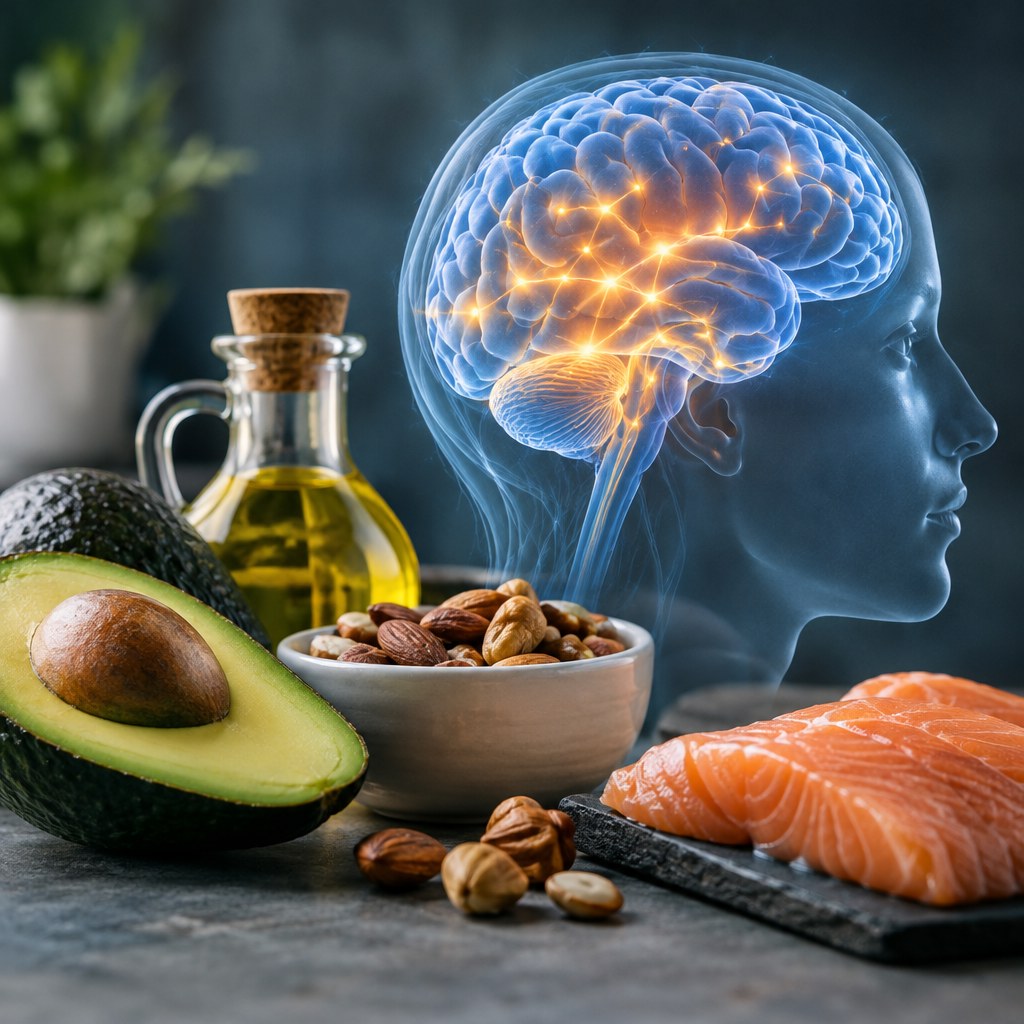
    Illustration combining a glowing brain with food.
    Brain fuel is flexible, but evidence needs careful interpretation.

    What Research Can and Cannot Tell Us

    Ketogenic diets are an established treatment option for some children and adults with drug-resistant epilepsy, under specialist supervision. This is the clearest example of ketones and brain metabolism being clinically useful, although the diet’s effects may involve signaling, neurotransmitters, and mitochondrial function as well as fuel supply. Studies in mild cognitive impairment, Alzheimer’s disease, traumatic brain injury, migraine, depression, and bipolar disorder are smaller, mixed, or early-stage. A biological rationale is not proof that a diet prevents, treats, or reverses these conditions.

    Small human studies sometimes find improved cognitive test performance or brain-energy markers after ketosis, particularly in people with impaired glucose metabolism. Other studies find little difference, and long-term clinical outcomes are uncertain. Effects may reflect weight loss, fewer glucose swings, altered calorie intake, sleep changes, expectations, or the diet itself. It is therefore more accurate to say ketones can fuel the brain effectively than to say they make every brain run better.

    Why Ketones Might Feel Different

    Why might people feel different? Ketone bodies produce energy through pathways that differ from glucose metabolism and may change cell signaling. Beta-hydroxybutyrate also has signaling roles studied in inflammation and gene regulation. Scientists are investigating whether this matters for oxidative stress, neuronal excitability, or insulin resistance in the brain. These mechanisms are plausible, not a permission slip to turn laboratory findings into personal medical conclusions.

    Individual response is shaped by the quality of the diet and the person’s starting point. A keto pattern built around fish, eggs, unsweetened dairy if tolerated, tofu, non-starchy vegetables, nuts, seeds, olive oil, and adequate protein differs greatly from one dominated by processed meats and butter. A nutritious diet that includes carbohydrates can also support brain health. The useful comparison is not keto versus failure; it is a sustainable eating pattern that meets nutritional, cultural, financial, and medical needs.

    Who Should Use Extra Caution?

    A ketogenic diet is a significant intervention, not simply a wellness trend. Speak with a qualified clinician or registered dietitian before changing your diet if you use insulin or sulfonylureas, take blood-pressure medicines or diuretics, have kidney, liver, pancreatic, or gallbladder disease, are pregnant or breastfeeding, have an eating-disorder history, or have had bariatric surgery. Medication doses can require adjustment, and abrupt carbohydrate reduction can create avoidable risks.

    People with type 1 diabetes need particular medical guidance, because ketosis can be difficult to distinguish from evolving ketoacidosis without appropriate monitoring. Keto can also cause constipation, dehydration, nausea, nutrient shortfalls, and unfavorable lipid changes in some people. Seek prompt care for vomiting, deep or rapid breathing, confusion, severe weakness, or persistently high blood glucose—especially if you have diabetes.

    💡 A safer starting point: do not stop prescribed medicines, chase high ketone readings, or assume initial fatigue means the diet is working. Ask what outcome you are testing—fewer seizures, steadier appetite, glucose management, or mental clarity—and decide beforehand how you will measure it.

    A Practical, Evidence-Aware Way to Try Keto

    If you and your healthcare team decide keto is reasonable, make the trial specific and time-limited. Clarify the goal, review medicines, and establish a baseline for symptoms, sleep, bowel habits, mood, and relevant laboratory tests. Plan meals rather than relying on keto-labelled snack foods. Include fibre-rich low-carbohydrate plants where possible, fluids, salt only as individually advised, and enough protein to preserve muscle. People who are older, living with chronic illness, or recovering from illness may need especially individualized advice.

    Track the outcome that matters, not only body weight or urine strips. For example, a person seeking more stable afternoon focus could record sleep, meals, caffeine, concentration, and energy for several weeks. If symptoms worsen, eating becomes stressful, or the approach cannot fit ordinary life, stopping is useful information—not a failure. A Mediterranean-style or other balanced eating pattern may be a better long-term fit.

    The Bottom Line

    Ketones are legitimate brain fuel, and ketosis can be therapeutically valuable in carefully selected situations. Yet current evidence does not show that every person will think more clearly or protect their brain by eating keto. The strongest choice is one based on your health history, preferences, resources, and professional guidance—not a promise made online. Curiosity is reasonable; careful monitoring and compassion for your body matter more than dietary perfection. You do not have to work through uncertainty alone. Take it slowly.

    Find Steady Support While You Decide

    Questions about food, illness, or brain health can feel isolating. Explore free support and practical resources at your own pace today.

    Explore support

    Where specialist guidance supports ketogenic therapy

    NICE epilepsy guidance supports consideration of a ketogenic diet under specialist supervision for selected epilepsy syndromes and drug-resistant epilepsy when other options have failed or are unsuitable. This cannot be generalised to every neurological condition. For Alzheimer’s, the 2021 Phillips trial found improvements in some outcomes but no statistically significant benefit on its main cognitive test.

    Can a normal glucose reading rule out ketoacidosis?

    No. In particular, people using SGLT2 inhibitors can develop ketoacidosis with near-normal glucose. Vomiting, abdominal pain, unusual breathing or confusion require urgent assessment. MHRA medicine safety guidance explains this risk.

    Related reading

    Explore Keto & Metabolic Health, Carnivore & Ketovore and our practical resources.

    Sources checked 22 September 2026. Educational content; dietary changes during illness require individual advice. Illustrations are not patient testimonials or evidence of treatment effects.

  • Carnivore Success Stories vs Clinical Evidence: How Should We Interpret Them?

    Carnivore Success Stories vs Clinical Evidence: How Should We Interpret Them?

    The question behind a powerful testimonial

    Stories about eating only animal foods can be compelling. Someone may describe less pain, steadier energy, weight loss, clearer thinking, or fewer digestive symptoms after beginning a carnivore diet. Those changes deserve respectful attention, especially when a person has felt dismissed or unwell for years. Yet a personal result cannot, by itself, show that the diet caused the improvement, that it will last, or that it is safe for someone else.

    The practical goal is neither to dismiss success stories nor to treat them as proof. For people considering dietary changes, the useful question is: what can this account tell us, what can it not tell us, and what evidence would change a responsible recommendation? This article offers a way to listen with empathy while keeping decisions proportionate to evidence, risk, and the individual’s circumstances.

    Woman using a laptop beside a cooked meat meal.
    Personal experiences can guide questions, but they cannot settle them.

    Why a success story is useful but incomplete

    An anecdote records a real experience, but it usually lacks a comparison group, predefined measurements, and systematic follow up. Symptoms often fluctuate. People commonly change several things at once: they may stop alcohol, ultra processed snacks, or a troublesome food; cook more meals; sleep differently; or become more active. Motivation and community support can also affect behaviour and wellbeing. Improvement may therefore be genuine without proving that meat alone was the active ingredient.

    What stories can legitimately contribute

    Stories are valuable for identifying outcomes worth studying and for helping people describe patterns that conventional appointments may miss. They can highlight adherence barriers, food access, social pressures, and changes a standard questionnaire may not capture. A clinician or organisation can use them as hypotheses: Did symptoms improve after removing a specific food? Were medicines changed? Were laboratory values checked? What happened after six months, not merely during an enthusiastic first week? The answers shape better questions; they do not establish causation.

    What clinical evidence asks that stories cannot

    Clinical research aims to reduce some of these uncertainties. Randomised trials can compare approaches and reduce selection effects; prospective cohort studies can track outcomes over time; carefully reported case studies can signal possible benefits or harms. Each design has limits. Nutrition trials are difficult to blind, diets vary, and long term adherence is challenging. Still, transparent methods, comparison groups, prespecified outcomes, and peer review make a result more informative than a collection of before and after accounts.

    What the evidence currently supports and leaves open

    Evidence specific to an all animal food carnivore diet remains limited. Published reports include self selected surveys and case reports, which can describe experiences but cannot reliably estimate benefits or long term safety. They do not establish treatment for diabetes, autoimmune disease, mental health conditions, cancer, or chronic pain. By contrast, broader evidence supports dietary patterns rich in minimally processed foods and individualised medical nutrition therapy for some conditions. That does not answer every carnivore question, but it sets an important threshold: extraordinary health claims require robust, relevant human evidence.

    Potential mechanisms are not proof

    People may feel better after carnivore eating for reasons that are plausible but still unproven in that form. Removing highly processed foods may lower energy intake. Restricting carbohydrates can change blood glucose patterns and ketone production. Eliminating particular plant or dairy foods may remove an individual trigger. These mechanisms do not show that a zero fibre, high saturated fat pattern is necessary or advisable for everyone. Outcomes depend on food choices, baseline health, medicines, nutrient intake, and follow up.

    Woman reading research beside a plate of steak.
    Better questions create safer, more useful conversations about dietary change.

    Use a proportionate evidence lens

    Rather than asking whether carnivore is good or bad, match the strength of a claim to the strength of evidence. A short term report of fewer cravings calls for curiosity. A claim that the diet reverses a serious disease, replaces prescribed treatment, or is safe indefinitely needs much stronger support. The greater the possible harm, the more important independent assessment, monitoring, and qualified clinical input become.

    Claim Better interpretation
    One person’s symptom change A useful observation; not a reliable forecast.
    Many similar online posts A signal for research; shared bias remains possible.
    Controlled, relevant human study More informative, yet still assessed for quality and applicability.
    Several consistent studies and guidance Strongest basis for routine decisions, while individual care remains individual.

    A practical process before changing course

    If you are considering carnivore eating, or advising someone who is, turn a dramatic claim into a structured trial of information rather than a leap of faith. This is not a request to self prescribe treatment. It is a way to protect decision quality, identify deterioration early, and make room for personal priorities such as culture, budget, enjoyment, and family meals.

    • Define the outcome and timeframe. Write down the specific symptom, measure, or practical goal; choose a review date before starting.
    • Check context and contraindications. People who are pregnant, breastfeeding, under eighteen, managing kidney disease, using glucose lowering medicines, or living with an eating disorder need individual professional advice before major restriction.
    • Record a baseline. Include food intake, symptoms, bowel changes, energy, sleep, mood, weight if appropriate, and relevant clinician recommended tests.
    • Decide what would count as benefit, no change, or harm. Agree in advance when to stop and when to contact a clinician.
    • Review more than feelings. Consider function, medication safety, blood pressure or glucose where relevant, nutrition adequacy, cost, and whether the plan remains workable.

    Risks, common mistakes, and recovery

    An elimination diet can conceal a problem as easily as it can reveal one. Constipation, fatigue, worsening mood, restrictive eating patterns, changes in lipids, and medication related low blood glucose are examples of concerns that should not be normalised. Risk is not identical for every person, but neither is a positive story a safety screen. Do not stop prescribed medicines or delay assessment of persistent, severe, or new symptoms because an online account sounds convincing.

    💡 A safer recovery step: pause the experiment, document changes, return to adequate familiar meals, and seek timely clinical advice for concerning symptoms or medication questions.

    A simple decision framework

    Use stories to feel less alone and to ask better questions. Use evidence, monitoring, and care to decide what is appropriate for you in your situation, with trusted people nearby.

    Explore support and resources

    A published example: the 2021 carnivore survey

    Lennerz and colleagues surveyed 2,029 adults. This self-selected, uncontrolled survey recorded perceived benefits and satisfaction, not proof of causation or long-term safety. Its methods and limitations should accompany any headline about the results.

    Related reading

    Explore Keto & Metabolic Health, Carnivore & Ketovore and our practical resources.

    Sources checked 22 September 2026. Educational content; dietary changes during illness require individual advice. Illustrations are not patient testimonials or evidence of treatment effects.

  • Could a Ketogenic Diet Help Alzheimer’s Disease? What Human Studies Actually Show

    Could a Ketogenic Diet Help Alzheimer’s Disease? What Human Studies Actually Show

    Keto and Alzheimer’s: the question and the evidence

    Alzheimer’s disease progressively damages memory, thinking and everyday independence. Medicines can modestly slow decline for some eligible people, but they do not remove the need for supportive routines, cardiovascular risk management and meaningful care. A ketogenic diet is often presented as another option because it changes the body’s fuel supply. The important question is not whether ketosis sounds promising; it is whether people with Alzheimer’s disease have shown worthwhile, safe benefits in human research.

    This article separates biological theory from clinical evidence, explains who should be cautious, and offers a practical way to discuss the option with a clinician. The outcome is a decision based on goals, burden and safety—not a promise of prevention, reversal or cure.

    Why ketosis is being studied

    Brain cells normally use glucose, yet the brain can also use ketones, molecules made when carbohydrate intake is very low or when certain fats are metabolised. Researchers are exploring whether ketones may partly bypass problems in glucose use observed in Alzheimer’s disease. This is plausible biology, not proof that dietary ketosis changes the disease process. Alzheimer’s involves many interacting processes, including abnormal protein accumulation, inflammation, vascular injury, sleep disruption and loss of connections between nerve cells.

    Ketogenic diets generally restrict carbohydrate sharply, provide moderate protein and obtain most energy from fat. They differ from simply avoiding sugar. Some studies instead use medium-chain triglyceride supplements or ketogenic drinks, which can raise ketones without a full dietary change. These approaches are related but not interchangeable: adherence, nutrient quality, side effects and research results may differ.

    Older woman reviewing a meal at a table.
    Diet changes require realistic planning and careful clinical oversight.

    What human studies have found so far

    The human evidence is encouraging enough to justify further research, but not strong enough to recommend keto as standard Alzheimer’s treatment. Trials have usually been small, short and difficult to blind. Participants, diet plans, ketone levels and outcome measures vary. Several studies report improvements in selected cognitive tests, daily functioning or quality-of-life measures, particularly when ketones rise. Other outcomes are neutral, and no trial establishes that a ketogenic diet prevents Alzheimer’s, stops progression or replaces approved treatment.

    Examples worth interpreting carefully

    Henderson’s 2009 trial of an MCT-based medical food reported cognitive improvement in a subgroup without the APOE4 genetic variant, but it was brief and studied a product rather than a complete ketogenic diet. Small crossover and feasibility studies, including Phillips and colleagues’ 2021 study in people with Alzheimer’s disease, have suggested that a supported ketogenic diet can be followed by participants and may improve daily-living outcomes. Such findings are signals, not confirmation. They cannot show long-term safety, sustained cognitive benefit or an effect on underlying pathology.

    The fairest conclusion is that ketosis may offer symptomatic help for selected people, especially early in the condition, but the evidence remains preliminary. Larger, longer trials must compare dietary strategies with appropriate support and measure function, cognition, cardiovascular effects, nutrition, adverse events and caregiver burden.

    Who may benefit—and who needs extra caution

    An individual response can be meaningful without proving a general rule. Someone with mild cognitive impairment or early Alzheimer’s who enjoys structured meals, has reliable support and can attend monitoring may reasonably ask about a supervised trial. Advanced dementia, swallowing problems, food refusal, rapid weight loss or heavy care demands can make restrictive eating impractical or distressing.

    ⚠️ Safety note: Medical review is essential for people using insulin, sulfonylureas, sodium-glucose cotransporter-2 inhibitors, blood-pressure medicines or anticoagulants; for those with kidney, liver, pancreatic or gallbladder disease; and for anyone with a history of eating disorder. Medication doses may need adjustment, but only by the prescribing team.
    Older woman seated at a table with a meal.
    Monitoring protects nutrition, comfort, hydration and treatment safety.

    A practical, supervised way to test it

    Do not begin by copying a social-media meal plan. Ask the person’s clinician whether dietary ketosis is appropriate, then involve a registered dietitian experienced in neurological care or ketogenic therapy. Agree in advance what success, burden and stopping would look like.

    1. Establish a baseline: weight, appetite, bowel habits, sleep, mobility, mood and everyday abilities.
    2. Review medicines and medical conditions, including dehydration, low blood sugar and lipid risks.
    3. Choose a nutritionally complete plan with adequate protein, fibre, fluids, vitamins and minerals.
    4. Set a review date, usually within weeks, rather than continuing indefinitely on hope alone.

    During a trial, keep meals simple: eggs or yoghurt if tolerated, fish, poultry, tofu, olive oil, nuts, seeds, non-starchy vegetables and other foods tailored to culture, budget and medical needs. “Keto” does not require unlimited butter, processed meat or skipped vegetables. Track intake and symptoms. If confusion, weakness, vomiting, constipation, poor sleep or unwanted weight loss develops, contact the clinical team promptly.

    Risks, common mistakes and recovery

    Early headaches, fatigue, dizziness, nausea, constipation and cramps can reflect fluid and electrolyte changes, but they should not be dismissed automatically as “keto flu.” Restriction can also worsen isolation if shared meals become difficult. Poorly planned versions may be low in fibre and micronutrients, raise LDL cholesterol in some people, or lead to inadequate calories and muscle loss.

    • Avoid abrupt medication changes or fasting to force ketone readings.
    • Avoid treating a supplement study as evidence that every keto diet works.
    • Avoid judging success by ketones alone; function, comfort and nutrition matter more.
    • Recover by simplifying meals, correcting fluids, reassessing calories and returning to the agreed stop rules.

    A short decision framework

    Consider a monitored ketogenic approach only when the person and their supporters understand the uncertainty, medical screening is available, food can remain enjoyable and nutritionally adequate, and outcomes can be reviewed honestly. Consider other priorities when restrictive eating threatens weight, connection or quality of life. Evidence-based dementia care still includes assessment of reversible contributors, physical activity where feasible, sleep support, social connection, hearing and vision care, vascular risk management, appropriate medicines and practical help.

    Take the next informed step together

    You do not have to decide this alone. Bring this article, a medication list and a record of weight, appetite and daily changes to the next clinical appointment. Ask whether a time-limited, dietitian-supported trial is safer than self-experimentation, and agree on measures that matter to the person. Stronger Together – United We Stand offers support and resources for people living with dementia and those beside them. Donations are optional. Start with one informed conversation, then choose the approach that protects both health and dignity in everyday life each day.

    Find free support

    Trial results in context

    Phillips and colleagues (2021) randomised 26 people with Alzheimer’s disease in a crossover study using two 12-week diet periods. Twenty-one completed the ketogenic diet. Daily-living and quality-of-life scores improved compared with the control diet, but the difference in the main cognitive test, ACE-III, was not statistically significant. The small sample, short duration and intensive support limit conclusions. These findings do not establish prevention, reversal or slower disease progression.

    A dietary study and a ketone-supplement study answer different questions. Benefits in one cannot be assumed for the other, and neither provides evidence that carnivore treats Alzheimer’s disease.

    Related reading

    Explore Keto & Metabolic Health, Carnivore & Ketovore and our practical resources.

    Sources checked 22 September 2026. Educational content; dietary changes during illness require individual advice. Illustrations are not patient testimonials or evidence of treatment effects.

  • Epilepsy and Seizures: What Families and Caregivers Should Know

    Epilepsy and Seizures: What Families and Caregivers Should Know

    A seizure is caused by abnormal electrical activity in the brain. Epilepsy is a neurological disorder involving an enduring tendency to have recurrent unprovoked seizures. Not every seizure means that a person has epilepsy.

    Seizures do not all look the same

    Some cause convulsions and loss of consciousness. Others may cause brief periods of altered awareness, unusual sensations or repetitive movements.

    During a convulsive seizure

    Protect the person from injury, move dangerous objects away, cushion the head if possible and time the seizure. Do not restrain the person and do not put anything in their mouth. When convulsions stop, place them on their side if safe and monitor breathing.

    When emergency help is needed

    Seek emergency assistance if a seizure lasts five minutes or longer, repeats without recovery, occurs in water, causes serious injury, involves breathing difficulty, happens during pregnancy, or is a first known seizure. Follow any individual emergency plan supplied by the person’s healthcare team.

    Diagnosis and treatment

    Assessment may include history, examination, EEG, imaging and blood tests. Anti-seizure medicines control seizures for many people. Medication should not be stopped suddenly without medical guidance.

    Living with epilepsy

    Sleep, medication adherence, safety, driving rules, work and pregnancy planning may all need discussion. Families benefit from knowing the person’s seizure first-aid and emergency plan.

    This information is educational and cannot diagnose epilepsy.

    When to call emergency services

    Call for help if a convulsive seizure lasts five minutes or longer, lasts longer than the person’s usual seizure, repeats without recovery, or follows any other trigger in their emergency plan. A first seizure, breathing difficulty, serious injury, pregnancy or a seizure in water also needs emergency help. In South Africa call 112 from a cellphone or 10177 for an ambulance.

    Where ketogenic treatment fits

    A specialist ketogenic diet can be considered for selected epilepsy syndromes or drug-resistant epilepsy when other options have failed or are unsuitable. It requires a trained team to plan nutrition, monitoring and medicines. A general internet keto or carnivore plan is not the same treatment.

    Practical checklist

    1. Time the seizure and protect the person from nearby hazards.
    2. Do not restrain them or put anything in their mouth.
    3. Once convulsions stop, place them on their side if safe and check breathing.
    4. Use prescribed rescue medicine only as trained in the person’s plan.
    5. Stay until recovery or emergency help arrives; avoid food or drink until fully alert.

    Common question

    Does one seizure always mean epilepsy?

    No. There are several possible causes. A first seizure needs assessment and should not be diagnosed from an online checklist.

    Sources and further reading

    Related support

    Use our appointment preparation guide, resources and community support to plan your next step.

    Sources checked 22 September 2026. General education, not individual medical advice. International service arrangements may differ from South Africa. Featured artwork is illustrative, not a patient testimonial.

  • Keto vs Carnivore for Weight Loss: Is Ketosis Doing the Work?

    Keto vs Carnivore for Weight Loss: Is Ketosis Doing the Work?

    Why the comparison matters

    Weight loss plans can create a deceptively simple question: which diet works fastest? Keto and carnivore are often grouped together because both greatly reduce carbohydrate and can lead to ketosis. Yet they are different eating patterns, with different practical tradeoffs. Keto typically includes low carbohydrate vegetables, plant fats, nuts, seeds, dairy, fish, eggs, and meat. Carnivore removes nearly all plant foods and relies mainly on animal foods. This article explains what ketosis can and cannot tell you about weight loss, how each approach may affect adherence and nutrition, and how to choose a safer, realistic next step. The goal is an informed decision.

    Ketosis is a mechanism not a verdict

    Ketosis occurs when carbohydrate availability is low enough that the liver produces ketones, which can contribute to energy use. That state may make some people less hungry or simplify food choices. It does not override energy intake, sleep, stress, alcohol, medication effects, or activity. Weight can fall quickly during the first days as stored carbohydrate and accompanying water are lost. That early change is not the same as body fat loss. Over time, fat loss still requires an energy deficit. Ketosis may be one tool that helps create it; it is not proof that one food list is superior.

    What keto offers in practice

    Keto is generally a carbohydrate restricted, moderate protein, higher fat pattern rather than a single fixed menu. People commonly build meals around protein, eggs, fish, tofu or meat, plus low carbohydrate plants and added fats. For someone planning everyday meals, its advantage is flexibility: a salad, cooked vegetables, olive oil, yogurt, or berries may fit, depending on the plan. Fiber containing foods can also make bowel habits easier for some people. Keto still needs portions and food quality attention. Cheese, cream, oils, and low carbohydrate snacks can make energy intake climb without much fullness for others.

    Two contrasting plates of food on a table.
    Keto allows flexibility while keeping carbohydrates very low.

    What carnivore changes and limits

    Carnivore makes the rules narrower: animal foods become the menu, while plants are excluded or nearly excluded. Some people report that this simplicity reduces decision fatigue and removes foods they find difficult to moderate. That can be useful information, but it is not evidence that plants are inherently harmful. The restriction also removes common sources of fiber and limits food variety, social flexibility, and options when travelling. Constipation, nutrient gaps, and a less favorable lipid response are concerns worth discussing with a clinician. An animal-only pattern does not guarantee a particular ketone level; intake and individual metabolism vary.

    Is ketosis actually doing the work

    Ketosis can be part of the story, but it is rarely the whole explanation. A person may lose weight on either plan because fewer food choices reduce grazing, protein improves fullness, or meals become more predictable. Another person may maintain or gain weight while in ketosis if energy dense foods are easy to overeat. The most useful question is not, Am I producing ketones? It is, Can I meet my needs, enjoy my meals, and maintain this pattern without harm? Track trends in weight, waist measurement, hunger, energy, digestion, and relevant clinical markers rather than relying on one reading.

    A practical choice process

    Before changing your diet, write the outcome you want: fat loss, steadier appetite, simpler meals, or improved markers. Then use this process:

    • Start with the least restrictive option likely to work. That may be a balanced eating pattern without ketosis, or a less restrictive low-carbohydrate approach.
    • Set a review period, such as two to four weeks, and record meals, hunger, bowel changes, sleep, and weight trend.
    • Plan protein rich meals first, then add fats deliberately rather than automatically.
    • Decide in advance how you will handle work lunches, travel, and celebrations.
    • Review whether the plan remains nourishing, affordable, and socially workable.
    Woman considering different plates of food.
    Sustainable routines matter more than strict dietary labels.

    Who should seek clinical guidance first

    Low carbohydrate diets can change blood glucose and medication needs. Anyone using insulin or medicines that cause low blood glucose should speak with their prescriber before reducing carbohydrate. This is also important with SGLT2 inhibitors because ketogenic diets may raise ketoacidosis risk, a serious emergency distinct from nutritional ketosis. Pregnancy, breastfeeding, eating disorder history, significant kidney, liver, or pancreatic disease, and unexplained weight loss warrant advice. Children and adolescents need professional guidance, not internet protocols. Seek urgent help for confusion, persistent vomiting, severe abdominal pain, difficulty breathing, or weakness. Do not stop prescribed medicines to make a diet fit.

    Common mistakes and better recoveries

    One mistake is treating ketone readings as a scorecard. If health or laboratory markers worsen, a number does not make the approach appropriate. Another is cutting plants while ignoring constipation or low variety. On keto, increase fiber containing foods and fluids gradually. On carnivore, bowel changes deserve review, not dismissal. A third mistake is under eating protein, then relying on added fats for calories. Build meals around adequate protein and choose fats for taste and satisfaction. Do not turn a setback into a verdict. If a plan fails, identify the obstacle: planning, hunger, cost, social pressure, or symptoms. Reassess gently.

    A simple decision framework

    Choose keto if you value flexibility, can include vegetables and other low carbohydrate foods comfortably, and want a structured way to reduce carbohydrate without eliminating food groups. Consider carnivore only with a clear reason, a plan to monitor tolerance and nutrition, and preferably clinical input when risks apply. Neither approach is required for weight loss. A less restrictive eating pattern that creates a manageable energy deficit may be the better answer. Whichever route you choose, define success beyond the scale: stable energy, adequate nutrition, better confidence around food, and a routine you can maintain. Choose review when wellbeing changes as needed.

    Take your next informed step

    You do not need to settle this question alone. Start with a conversation with a qualified clinician or dietitian if medication, illness, pregnancy, or concerning symptoms are part of the picture. Then choose one measured experiment, record what happens, and give yourself permission to change course. Explore the site’s support and resources pages. Stronger Together – United We Stand shares real stories and real support, because sustainable health decisions are easier when people have reliable information and room to be human. Bring questions, not perfection, and ask for help when uncertainty feels heavy. Next step can be small.

    Find support

    What a direct diet comparison found

    The 2022 Keto-Med randomised crossover trial compared a well-formulated ketogenic diet with a Mediterranean-style diet in people with prediabetes or type 2 diabetes. Among 33 participants with complete data, HbA1c did not differ between diets after twelve weeks. Triglycerides fell more on keto, but LDL cholesterol was higher, and fibre and some nutrient intakes were lower. Both patterns reduced weight. This was not a keto-versus-carnivore trial and does not establish long-term superiority for either diet.

    Related reading

    Explore Keto & Metabolic Health, Carnivore & Ketovore and our practical resources.

    Sources checked 22 September 2026. Educational content; dietary changes during illness require individual advice. Illustrations are not patient testimonials or evidence of treatment effects.

  • Do Humans Actually Need Dietary Carbohydrates?

    Do Humans Actually Need Dietary Carbohydrates?

    What “need” means in nutrition

    Carbohydrate debates often collapse two different questions: can the body survive without eating carbohydrate, and is a carbohydrate-rich diet helpful for health, activity, or disease management? The answer to the first is generally yes; the answer to the second depends on the person, food quality, medicines, goals, and medical history. This article separates biological necessity from practical usefulness, so you can discuss food choices with less confusion and more care.

    Humans require energy and several nutrients, but dietary carbohydrate is not classified as essential in the same way as certain amino acids and fatty acids. The liver can make glucose from amino acids, glycerol, and other substrates through gluconeogenesis. During very low carbohydrate intake, the liver also produces ketone bodies, which can supply much of the brain’s energy after adaptation. These capabilities prevent the conclusion that everyone should avoid carbohydrates.

    Why carbohydrate-free is not consequence-free

    Not needing carbohydrate to stay alive does not mean that removing it is automatically safer, easier, or better. Foods containing carbohydrate range from sugary drinks and refined snacks to beans, oats, fruit, vegetables, and dairy. They differ in fibre, protein, micronutrients, affordability, culture, and how they fit daily life. A decision based only on carbohydrate grams can overlook those differences.

    Fibre is a carbohydrate that is not fully digested. Adequate fibre from plant foods is associated with better bowel regularity and is part of dietary patterns linked with cardiovascular health. A very low carbohydrate plan can still include fibre, but it requires deliberate choices such as non-starchy vegetables, seeds, nuts, and lower-sugar fruit where appropriate. Constipation is a practical warning sign that the plan needs review.

    Woman seated with a meal.
    Food quality matters as much as carbohydrate quantity.

    Who may benefit from reducing carbohydrates?

    Reducing added sugars and highly refined starches can help many people improve meal quality, regardless of whether they follow a low carbohydrate diet. Some people with type 2 diabetes may use lower carbohydrate eating to improve glucose management, often alongside weight change or other care. However, glucose-lowering medication, especially insulin or sulfonylureas, can cause hypoglycaemia if carbohydrate intake falls without prompt clinical adjustment.

    Athletes, physically demanding workers, and people who simply prefer carbohydrate-containing staples may function well with them. Carbohydrate can provide readily available fuel for higher-intensity exercise, while total energy, protein, sleep, training, and recovery also matter. Pregnancy, adolescence, older age with unintentional weight loss, kidney disease, eating-disorder history, and complex illness all call for individual professional advice rather than internet rules.

    Use this distinction:

    • Essential for survival does not automatically mean essential from food.
    • Potentially useful for performance, enjoyment, or nutritional adequacy.
    • Best choice depends on context, not ideology.
    Woman considering a plate of food at a dining table.
    A sustainable plan accounts for health, work, movement, and preferences.

    A practical way to decide

    Before changing your usual diet, define the problem you are solving. Is the aim steadier energy, fewer glucose spikes, better exercise fuelling, improved digestion, weight management, or simpler meals? A clear aim makes the trial safer and easier to evaluate. It also avoids treating carbohydrate restriction as a test of discipline or a universal answer.

    Run a structured, time-limited trial

    1. Check safety first. Ask a clinician or registered dietitian before major restriction if you use diabetes medicines, are pregnant, have kidney disease, have a history of disordered eating, or have a serious diagnosis.
    2. Choose the change. For many people, begin by replacing sweet drinks and refined snack foods, rather than eliminating beans, fruit, or whole grains immediately.
    3. Plan complete meals. Include protein, unsaturated fats, vegetables, and fibre-rich foods that you tolerate. Keep hydration and salt intake in mind, particularly when sharply lowering carbohydrates.
    4. Track outcomes for two to four weeks. Note hunger, bowel habits, mood, sleep, training, glucose readings if you already monitor them, and whether the approach works socially and financially.
    5. Review, then adjust. Keep what helps, restore foods that were unnecessarily removed, and seek help for concerning symptoms.
    💡 Practical note: A low carbohydrate diet is not the same as a nutritious diet. Adequacy, enjoyment, and sustainability still matter.

    Risks, common mistakes, and recovery

    Common problems arise when people replace carbohydrates mainly with processed meats, butter, or low-fibre packaged products, or when they eat too little overall. Early fatigue, headaches, dizziness, constipation, irritability, and reduced exercise capacity may reflect inadequate energy, fluid or electrolyte changes, medication effects, or an unsustainable plan. They are not proof that someone lacks willpower, nor should persistent or severe symptoms be ignored.

    Recover by widening the diet gradually and identifying the specific problem. Add minimally processed carbohydrate sources if energy, bowel function, or adherence suffers; do not swing from strict restriction to uncontrolled eating. For diabetes, recurrent low glucose, vomiting, confusion, severe weakness, or symptoms of dehydration require timely medical advice. People with diabetes who are unwell should follow their clinician’s sick-day guidance, including advice about ketones where relevant.

    Commercial diet claims sometimes confuse ketosis with guaranteed fat loss, mental clarity, or disease treatment. Ketosis is a metabolic state, not a diagnosis or cure. Evidence for dietary approaches varies by condition and outcome. Keep prescribed treatment in place unless the clinician managing it advises otherwise.

    A short decision framework

    Ask three questions. First, is there a medical reason that demands supervision? Second, can I meet energy, protein, fibre, vitamin, and mineral needs with this pattern? Third, does it improve a meaningful outcome without making work, family meals, culture, budget, or wellbeing harder? If the answer is unclear, choose a modest change and review it rather than adopting a label.

    For most people, the strongest answer is nuanced: humans can live without dietary carbohydrate, but many people can thrive with carbohydrate-containing foods. The priority is not to defend a camp. It is to create a pattern that is nutritionally adequate, medically appropriate, affordable, enjoyable, and sustainable.

    Find support for the next decision

    Nutrition choices can feel isolating when health, work, or family pressure is already high. Explore free support and practical resources, and bring your questions to a qualified professional when your situation is complex. You do not have to settle the carbohydrate debate alone; a thoughtful conversation can turn broad advice into a manageable plan that respects your health needs, everyday responsibilities, and personal preferences. Start with one question, one realistic adjustment, and one review date. Small, monitored steps are often easier to sustain over time.

    Explore support

    Evidence for choosing food quality over a label

    The Keto-Med randomised crossover trial found similar HbA1c outcomes after ketogenic and Mediterranean-style diets, while lipid and nutrient outcomes differed. This comparison shows why removing more carbohydrate is not automatically a better overall health result. It does not answer every question about pregnancy, athletic performance or long-term disease risk.

    Related reading

    Explore Keto & Metabolic Health, Carnivore & Ketovore and our practical resources.

    Sources checked 22 September 2026. Educational content; dietary changes during illness require individual advice. Illustrations are not patient testimonials or evidence of treatment effects.

  • Obesity and Weight Management: Looking Beyond Willpower

    Obesity and Weight Management: Looking Beyond Willpower

    Obesity is a complex chronic health condition. Body weight is influenced by genetics, hormones, sleep, medicines, food environment, mental health, physical activity, socioeconomic circumstances and other factors. Reducing it to willpower can create stigma without improving health.

    Health is broader than the scale

    Weight can be associated with risk of type 2 diabetes, cardiovascular disease, sleep apnoea and joint problems, but individual health cannot be judged from appearance alone. Blood pressure, glucose, lipids, fitness and sleep also matter.

    Approaches to treatment

    Management may involve nutrition, physical activity, behavioural support, treatment of contributing medical conditions, medication and, for selected people, metabolic or bariatric surgery.

    Avoid extreme promises

    Very restrictive diets can produce short-term weight loss for some people, but sustainability, nutritional adequacy, medication effects and long-term health markers matter. No single eating pattern is ideal for everyone.

    Focus on measurable health

    Useful goals may include improved glucose control, blood pressure, mobility, sleep, strength or quality of life—not only a particular number on a scale.

    Weight-management treatment should be individualised and free from stigma.

    Choose outcomes that matter to your life

    A useful plan starts with a health goal: easier movement, better sleep, improved blood pressure or glucose management. Ask permission before discussing weight with someone else. BMI is one screening measure; it does not describe every aspect of health or personal circumstances.

    Where keto fits

    Some people find a lower-carbohydrate pattern helpful for appetite or glucose management. The choice should account for food access, medicines, nutritional adequacy and whether it is sustainable. Carnivore has much less direct clinical evidence. Weight reduction is not proof that a diet treats every disease, and people with unintentional weight loss need assessment rather than further restriction.

    Practical checklist

    1. Choose one health outcome to track alongside weight if appropriate.
    2. Review sleep, medicines, pain and activity barriers.
    3. Ask about dietetic and behavioural support that is available locally.
    4. Discuss the benefits, risks and eligibility for medicines or surgery when relevant.
    5. Agree a follow-up date and revise a plan that causes harm or cannot be sustained.

    Common question

    Is needing medication a personal failure?

    No. Obesity is a complex chronic condition. Treatment choices should reflect health needs, benefits, risks and preferences.

    Sources and further reading

    Related support

    Use our appointment preparation guide, resources and community support to plan your next step.

    Sources checked 22 September 2026. General education, not individual medical advice. International service arrangements may differ from South Africa. Featured artwork is illustrative, not a patient testimonial.

  • Carnivore and Ketovore Diets: Potential Benefits, Risks and What to Monitor

    Carnivore and Ketovore Diets: Potential Benefits, Risks and What to Monitor

    Carnivore and ketovore eating patterns have attracted attention online. Definitions vary, but a carnivore diet generally relies almost entirely on animal foods, while “ketovore” is often used informally for an animal-focused diet that allows a limited amount of low-carbohydrate plant food. These approaches should not be confused with medically supervised ketogenic diets used for specific clinical indications.

    Why do people try them?

    People report using very-low-carbohydrate diets for weight management, blood-glucose control, appetite or digestive symptoms. Individual experiences can be meaningful, but testimonials cannot establish whether a diet is safe or effective for a broader population.

    The evidence is not equal for every low-carb approach

    Research exists on ketogenic and lower-carbohydrate diets in particular contexts, but that does not automatically establish the long-term safety or benefit of an all-meat carnivore diet. Extremely restrictive diets can also make it harder to obtain adequate fibre and a broad range of micronutrients.

    Possible issues to discuss

    Depending on food choices and individual response, concerns may include marked changes in LDL cholesterol, constipation, nutrient adequacy and the practical difficulty of sustaining a restrictive diet. People with kidney, liver, gallbladder, cardiovascular or metabolic conditions may need specific advice.

    Medication can change the risk

    People taking glucose-lowering or blood-pressure medicines should not make major carbohydrate or weight-loss changes without considering medication effects. Blood glucose and blood pressure can change, and some medicines may need clinician-supervised adjustment.

    If you choose a restrictive diet

    Tell your healthcare professional what you are actually eating. Depending on your health history, monitoring may include weight, blood pressure, glucose control, lipids, kidney function and nutritional status. Do not assume that feeling better guarantees that every health marker has improved.

    Avoid absolutes

    Nutrition evidence evolves, and individuals respond differently. Be cautious with claims that one diet cures a wide range of unrelated diseases or that all plant foods—or all animal foods—are inherently harmful. Decisions are better based on measurable outcomes, nutritional adequacy and individual medical context.

    This article is general information, not an endorsement of a particular diet or a substitute for medical or dietetic advice.

    What the published carnivore survey can tell us

    A 2021 survey of 2,029 adults following a carnivore diet reported high satisfaction and perceived improvements. It was not a randomised trial: participants selected themselves, results were largely self-reported, and there was no comparison group. People who had already stopped the diet because of problems could be missed. Reported LDL cholesterol was high in the subset supplying lipid results. The study generates research questions; it cannot establish long-term safety or show that carnivore treats cancer, Alzheimer’s disease or autoimmune conditions.

    A monitoring conversation before major restriction

    • State the symptom or health outcome you hope to improve.
    • Review medicines before changing carbohydrate intake.
    • Ask whether kidney function, lipids, glucose or nutritional status need baseline testing.
    • Agree how adequate energy, protein, fibre and micronutrients will be addressed.
    • Choose a review date and clear reasons to stop or modify the plan.

    Vomiting, abdominal pain, unusual breathing or confusion need urgent assessment, particularly with diabetes or SGLT2 medicines. Ketoacidosis can occur without very high glucose. Do not dismiss significant symptoms as normal adaptation.

    How to compare claims fairly

    Ask whether the study tested carnivore itself, a broader low-carbohydrate diet, a supplement or an animal model. Look for a control group, harms, dropouts and outcomes that matter to patients. A ketone reading or testimonial alone cannot answer those questions.

    Related support

    Explore our practical resources and community support. For nutrition questions, browse Keto & Metabolic Health.

    Sources checked 22 September 2026. General education; individual care should be discussed with a qualified healthcare professional.

  • Understanding Type 2 Diabetes: Blood Sugar, Symptoms, Testing and Everyday Management

    Understanding Type 2 Diabetes: Blood Sugar, Symptoms, Testing and Everyday Management

    Type 2 diabetes is a long-term condition in which blood glucose levels become too high because the body does not use insulin effectively and, over time, may not produce enough insulin to meet its needs. It can develop gradually, which means some people have few or no obvious symptoms at first.

    What does insulin do?

    Insulin is a hormone made by the pancreas. It helps glucose move from the bloodstream into cells, where it can be used for energy. In type 2 diabetes, cells become less responsive to insulin. The pancreas initially tries to compensate by producing more, but this may become insufficient.

    Possible symptoms

    Symptoms can include increased thirst, frequent urination, unusual tiredness, blurred vision, recurrent infections, slow-healing wounds and unexplained weight loss. These symptoms are not specific to diabetes, so testing is important rather than trying to diagnose yourself.

    How is diabetes tested?

    Clinicians may use tests such as fasting blood glucose or HbA1c, which reflects average blood glucose over the preceding months. The appropriate test and diagnostic thresholds depend on the clinical situation. People who are pregnant are assessed differently for gestational diabetes.

    Why management matters

    Persistently high blood glucose can damage blood vessels and nerves. Over time, diabetes can increase the risk of cardiovascular disease, kidney disease, eye problems, foot complications and other health problems. Regular monitoring helps identify changes before complications become more serious.

    Treatment is individual

    Management can involve nutrition, physical activity, weight management where appropriate, stopping smoking, medicines that lower glucose, and sometimes insulin. Blood pressure and cholesterol are also important because cardiovascular risk is a major part of diabetes care. There is no single eating pattern that is suitable for everyone; treatment should take account of medications, kidney function, other conditions, preferences and access to food.

    Everyday checks that matter

    Keep scheduled blood tests and reviews, take medication as prescribed, and ask how often your eyes, kidneys and feet should be assessed. If you monitor glucose at home, make sure you understand your individual target range and what to do when readings are unexpectedly high or low.

    Know the urgent warning signs

    Severe drowsiness, confusion, persistent vomiting, significant dehydration, difficulty breathing or loss of consciousness require urgent medical assessment. People taking insulin or certain glucose-lowering medicines should also know the symptoms and treatment of hypoglycaemia.

    A condition that can be managed

    A diagnosis of type 2 diabetes can feel overwhelming, but management is not about perfection. Consistent follow-up, appropriate treatment and sustainable changes can substantially reduce the risk of complications. Ask your healthcare professional to explain your results, targets and treatment plan in terms you understand.

    This article provides general information and is not a substitute for individual medical advice, diagnosis or treatment.

    Where low-carbohydrate and ketogenic diets fit

    Lower-carbohydrate eating can be one option for type 2 diabetes, but it is not required and it is not a cure. A 2021 systematic review of randomised trials found improved remission outcomes at six months under some definitions, with less clear advantages at twelve months. Results depended on how remission was defined, including whether medication was allowed. Low carbohydrate and ketogenic diets were not interchangeable across the studies, and the findings do not establish benefits for an all-meat diet.

    Before reducing carbohydrate substantially, ask the prescriber to review insulin and sulfonylureas because low blood glucose can occur. SGLT2 medicines need specific advice: ketoacidosis can occur even without very high glucose. Never change doses on your own. Food access, enjoyment, kidney function and long-term nutritional adequacy should help decide the plan.

    Your next appointment checklist

    1. Bring your medicine list and glucose readings, if you monitor them.
    2. Ask for your HbA1c target and when to repeat the test.
    3. Agree on what to do for low glucose, illness or missed meals.
    4. Check when your feet, eyes, kidneys, blood pressure and cholesterol need review.
    5. Choose one realistic food or activity change and an agreed review date.

    Sources and further reading

    Related support

    Explore our practical resources and community support. For nutrition questions, browse Keto & Metabolic Health.

    Sources checked 22 September 2026. General education; individual care should be discussed with a qualified healthcare professional.