Category: Mobility, Disability & Rehabilitation

  • Mobility and Disability: Practical Ways to Support Independence at Home

    Mobility and Disability: Practical Ways to Support Independence at Home

    Supporting independence at home means matching the space, daily routines and support around you to the way you move now—not forcing you to work around barriers. Small, well-chosen changes can make transfers, bathing, cooking, rest and leaving the house safer and less tiring while preserving privacy, control and confidence.

    Older woman using a walking frame beside a handrail
    Practical adjustments can help your home work with your needs.

    Start with the real barriers, not the product list

    Mobility needs can change after an injury, surgery, stroke, neurological condition, chronic pain flare, ageing-related changes or periods of fatigue. They may also vary across the day. A home that feels manageable in the morning can become difficult when pain, weakness, dizziness or exhaustion increases.

    Before buying equipment or planning alterations, identify the moments where you lose time, feel unsafe or need more help than you want. Look at the complete journey: getting out of bed, reaching the toilet, preparing food, answering the door, managing laundry, taking medication and getting outside.

    Notice the interaction between person, task and environment

    A threshold is not automatically a problem; it becomes one if it catches a foot, blocks a wheelchair or makes you fear a fall. Similarly, a shower may be accessible for one person but unsafe for someone who cannot stand for long or who struggles with balance. The best solution considers your abilities, goals, home layout and budget together.

    • Which tasks make you rush, strain, twist or reach too far?
    • Where do you steady yourself on furniture that could move?
    • What happens during a bad day, not only a good day?
    • Which activities matter most to your identity and routine?
    • What support is reliable, and what needs to be possible when you are alone?

    💡 Tip: Keep a short note for 7 days. Record when a task is difficult, what makes it harder and what helps. This gives an occupational therapist, rehabilitation professional or trusted family member a clearer starting point than a general description of “mobility problems.”

    Prioritise safety without taking away control

    Falls and injuries can happen during ordinary activities, especially around stairs, bathrooms, loose flooring, poor lighting and cluttered routes. Yet safety does not mean removing every challenge or making decisions for someone else. Independence grows when you can make informed choices and use support that fits your preferences.

    Make the main routes easier first

    Focus on the path between the bed, bathroom, kitchen and exit. Remove trailing cables, unstable rugs and furniture that narrows a route. Keep commonly used items between waist and shoulder height where possible. Improve lighting at entrances, stairs, hallways and beside the bed, with switches or lamps you can reach before moving.

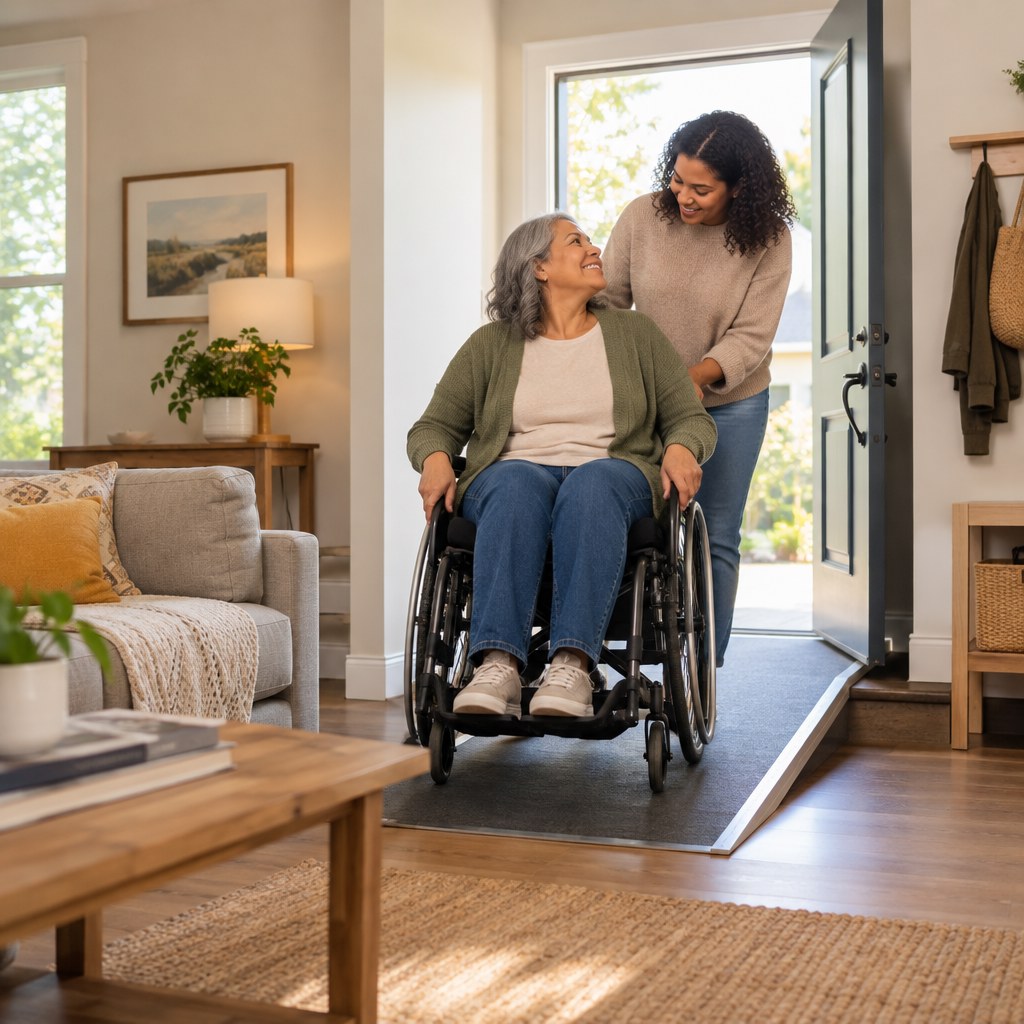
    If you use a cane, walker, wheelchair or other aid, measure routes while using it. Door width, turning space, thresholds and the position of handles can matter more than a room’s overall size. Avoid assuming that an item marketed as “accessible” will suit your body or home.

    Plan for transfers and personal care

    Transfers—such as moving from bed to chair, chair to toilet or standing in the shower—often need the most careful assessment. Grab rails, raised toilet seats, shower chairs, transfer benches and bed aids can be useful, but they must be correctly positioned and securely fitted. A poorly placed rail can encourage an awkward movement or fail to support the load placed on it.

    Ask a qualified occupational therapist, physiotherapist or other appropriate professional to assess more complex transfers, particularly if you have recently fallen, have changing strength, use a hoist, or need another person to assist you. This protects both you and anyone helping you.

    Choose changes in layers

    Home adaptations do not always begin with major building work. Often, the most helpful approach is to make lower-risk changes, test them in daily life and then consider larger alterations if they solve a continuing problem. This can prevent expensive purchases that do not fit your needs.

    🏠

    Everyday layout

    Move essentials closer, create a seated rest point and reduce unnecessary trips between rooms. These changes are often reversible and can reveal what support you need most.

    🔧

    Equipment and fittings

    Consider aids that address a specific task, such as a shower seat or rail. Check fit, weight limits, cleaning needs and installation requirements before use.

    📐

    Structural adaptations

    Ramps, level-access showers, widened doorways and stair solutions may offer lasting benefits when smaller changes no longer meet your needs.

    For substantial work, seek independent advice before committing. You may need to check building rules, tenancy agreements, insurance requirements, local funding options and whether future needs could affect the design. Requirements differ by location, so confirm them with relevant local services or qualified contractors.

    Build a practical home independence plan

    A clear plan turns good intentions into changes you can use. If you support a family member, develop it with them rather than around them. Ask what “independence” means to them: cooking independently, getting to the garden, managing personal care privately or being able to leave home safely may each require different solutions.

    Use this step-by-step checklist

    1. Choose 3 priority activities. Start with what matters most and what carries the greatest immediate risk.
    2. Observe the task safely. Note the route, reaching, turning, standing time and any point where balance or pain changes.
    3. Try simple adjustments. Reorganise storage, improve lighting, add a chair or clear a route before assuming a major adaptation is necessary.
    4. Seek an assessment when needed. Ask a clinician or occupational therapist about falls, transfers, mobility aids, fatigue management or more complex equipment.
    5. Test and review. Use changes in ordinary routines. If they create discomfort, instability or extra effort, stop and reassess.
    6. Record emergency information. Keep important contacts, access instructions and relevant health information in a place you can reach easily.

    Technology may also help when it is chosen for a clear purpose. Voice-controlled lights, reminder systems, video doorbells and personal alert devices can reduce certain barriers. However, they depend on setup, charging, connectivity and your comfort with using them. Keep a non-digital backup for essential tasks.

    Common mistakes—and how to recover

    A frequent mistake is buying equipment quickly after a difficult day. A device may be unsuitable if it is the wrong height, does not fit the bathroom, requires more grip strength than expected or changes the way you transfer. Keep receipts where possible, follow manufacturer instructions and ask for professional advice before modifying equipment yourself.

    Another risk is treating a temporary improvement as a complete solution. If your condition is progressive, fluctuating or still being assessed, choose options that can adapt where practical. For example, leave enough room to use a mobility aid in a reorganised kitchen, rather than creating a narrow route that only works today.

    ⚠️ Emergency warning signs: Call emergency services immediately for sudden weakness or numbness, new confusion, chest pain, severe breathing difficulty, collapse, or a fall with serious injury. Do not assume these are part of an existing condition. Other new or worsening mobility changes need prompt clinical assessment.

    Finally, avoid overlooking emotional impact. Losing access to part of your home or needing help with personal care can bring frustration, grief or anxiety. These feelings are understandable. Talk openly with people you trust, and consider peer support alongside professional care when you need it.

    A simple decision framework

    Choose the next change by asking 3 questions: Does it make an important activity safer or easier? Does it preserve your choice and dignity? Can you use and maintain it reliably? Start with the highest-priority barrier, involve appropriate professionals for higher-risk tasks, and review changes as your needs develop.

    Independence is not doing everything without help. It is having meaningful control, practical options and support that lets you live as fully as possible at home.

    You do not have to work this out alone

    Explore practical support and community resources as you plan the next step for yourself or someone close to you.

    Find support

    Sources and further reading

    Source links reviewed 10 October 2026. General information; individual health decisions should be discussed with a qualified healthcare professional. Illustrative images do not depict identified patients or prove treatment benefits.

  • Sepsis Recovery: What Families Should Know After Hospital Discharge

    Sepsis Recovery: What Families Should Know After Hospital Discharge

    Recovery from sepsis often continues long after hospital discharge. Your family may be managing fatigue, weakness, memory changes, low mood, disrupted sleep and fear of becoming unwell again, while also arranging medicines, appointments and practical help. A clear plan can make the transition home safer and help you know when to seek urgent care.

    Caregiver offering water to an older man seated on a sofa
    Recovery is gradual, and practical support can reduce pressure at home.

    Why recovery can be difficult after sepsis

    Sepsis is the body’s extreme response to an infection. It can affect organs, circulation, muscles and the brain, particularly when someone has needed intensive treatment or a long hospital stay. Even after the infection is controlled, the body may need time to rebuild strength and resilience.

    Some people experience symptoms often described as post-sepsis syndrome. These may include severe tiredness, muscle or joint pain, breathlessness with activity, poor concentration, forgetfulness, nightmares, anxiety or depression. Symptoms vary widely. They do not mean that recovery has failed, but they should be discussed with the healthcare team, especially if they are worsening.

    Older adults, people with long-term conditions, people living with disability and those who had a complicated admission may need more support. Recovery can also be emotionally demanding for relatives who watched a loved one become critically ill.

    Start with a safe discharge plan

    Before or immediately after discharge, keep the written discharge summary somewhere accessible. It should explain the diagnosis, treatments received, medicines, follow-up arrangements and any restrictions. If something is unclear, contact the ward, primary care practice, pharmacist or named discharge coordinator rather than guessing.

    Confirm the essentials

    • Know which medicines to take, their purpose, timing and common side effects.
    • Ask whether any usual medicines were stopped, changed or need review.
    • Check dates for follow-up appointments, blood tests, wound care or rehabilitation.
    • Arrange transport, food, mobility equipment or home support before these needs become urgent.
    • Keep a current medicine list and discharge summary available for every appointment.

    💡 Tip: Bring a family member or trusted friend to the first follow-up visit when possible. They can take notes, ask questions and help compare the care plan with what is happening at home.

    Build recovery around small, realistic steps

    Rest matters, but complete inactivity can make weakness worse. Follow the rehabilitation advice given at discharge and increase activity slowly. For example, you might begin with short, supervised walks around the home, regular position changes and simple daily tasks, then pause before exhaustion sets in.

    Good nutrition and hydration support healing, but needs differ if your relative has kidney disease, heart failure, diabetes, swallowing problems or dietary restrictions. Ask a clinician or dietitian for personalised advice rather than starting a restrictive diet during recovery. Small, regular meals may be easier than large portions when appetite is low.

    Track patterns, not perfection

    A simple daily note can record sleep, food and fluid intake, activity, pain, mood, confusion, breathlessness and new symptoms. This gives the healthcare team useful information and helps you notice gradual gains that may otherwise be missed. Avoid setting recovery deadlines. Some days will be harder than others.

    Support thinking and emotional wellbeing

    Confusion, poor memory and difficulty concentrating can make paperwork, medicines and decision-making harder. Use written reminders, a calendar and one task at a time. Keep conversations calm and allow extra time for answers. Persistent low mood, panic, nightmares or withdrawal deserve support from a healthcare professional; emotional recovery is part of physical recovery, not an optional extra.

    Know the warning signs that need urgent action

    Sepsis can recur if a new or worsening infection develops, and other complications can also arise after discharge. Trust your instincts if the person seems suddenly much more unwell than expected. Do not wait for a routine appointment when symptoms are severe or escalating.

    ⚠️ Seek urgent medical help now for new confusion, difficulty staying awake, severe breathlessness, blue or mottled skin, a new widespread rash, seizures, chest pain, very little urine, uncontrolled shaking, or rapidly worsening illness. Follow local emergency-service guidance if you think someone may be seriously unwell.

    Contact a clinician promptly for fever or chills, worsening cough, painful urination, increasing redness or discharge from a wound, repeated vomiting, new swelling, medication side effects or a clear decline in function. These signs do not always mean sepsis, but early assessment is safer than waiting.

    Common mistakes families can avoid

    Trying to “push through” exhaustion is a common setback. Balance activity with planned rest, and ask the clinical team what level of exertion is appropriate. Equally, do not assume all tiredness, pain or confusion is simply part of recovery; report new, sudden or worsening symptoms.

    A second mistake is taking on every task alone. One person may coordinate appointments, another may prepare meals, and another may check in by phone. If you are caring for someone, protect your own sleep, work commitments and medical needs as well. Sustainable support is better than burnout.

    Finally, avoid changing prescribed medicines, supplements or diet plans without advice. “Natural” products can still interact with treatment or be unsuitable during recovery.

    A practical decision framework for the weeks ahead

    Use three questions each day: Is the person gradually stable or improving? Are they able to eat, drink, rest and manage essential medicines? Has anything changed suddenly or become harder? Stable progress supports the existing plan; persistent problems justify a follow-up call; sudden deterioration needs urgent assessment.

    Keep recovery focused on safety, steady rehabilitation and connection. Your family does not need to solve every problem at once. The next useful step may simply be confirming a prescription, arranging transport or asking for an assessment of new symptoms.

    You do not have to manage recovery alone

    Explore practical support and community resources as you navigate the next stage of sepsis recovery. Public support is free, and donations are optional.

    Find support

    Sources and further reading

    Source links reviewed 10 October 2026. General information; individual health decisions should be discussed with a qualified healthcare professional. Illustrative images do not depict identified patients or prove treatment benefits.

  • Pressure Injuries and Bedsores: Prevention, Early Signs and Care

    Pressure Injuries and Bedsores: Prevention, Early Signs and Care

    Why pressure injuries matter

    A pressure injury can begin quietly when skin and the tissue beneath it are squeezed between a bony area of the body and a bed, chair, brace, or medical device. It may affect someone recovering from illness, living with limited mobility, or spending long periods in one position. It can be painful, slow recovery, and sometimes lead to serious infection. Yet many injuries are preventable when you notice risk early and act steadily.

    This matters whether you are caring for yourself or supporting somebody else. You do not need specialist language to begin. Regular, respectful checks, comfortable repositioning, attention to food and fluids, and prompt advice when skin changes can protect comfort and independence. Prevention is not about blame: illness, frailty, poor circulation, reduced sensation, and continence problems can all raise risk. A shared plan makes daily care safer.

    What a pressure injury is

    A pressure injury, often called a bedsore or pressure ulcer, happens when pressure, or pressure combined with rubbing and sliding, reduces blood flow to an area. Skin needs that blood flow for oxygen and nourishment. Common sites include heels, ankles, hips, tailbone, elbows, shoulder blades, and the back of the head. Devices such as oxygen tubing, casts, or masks can also press on skin. Injuries range from skin that is discoloured but unbroken to deeper wounds. Darker skin may show a change in shade, warmth, firmness, or tenderness rather than obvious redness.

    Healthcare teams may describe stages, but you do not need to stage an injury yourself. Your job is to recognise a new change, reduce further pressure where safely possible, and ask for help. Do not massage a sore or red area; rubbing can damage fragile tissue. If a person has diabetes, poor circulation, spinal cord injury, or cannot feel discomfort reliably, take even small changes seriously.

    Illustration of a caregiver helping an older woman lie on her side with a pillow
    Small skin changes deserve calm, timely attention.

    Practical prevention steps for today

    The best routine is one that fits the person’s abilities, care setting, and clinical advice. If they use a pressure-relieving mattress, cushion, or device, make sure it is correctly fitted and used as instructed.

    • Change position regularly. Encourage small shifts in bed or chair when possible, and follow the repositioning schedule supplied by a clinician. Use pillows or positioning aids to keep bony areas from pressing together. Avoid dragging across sheets; use help or equipment to reduce friction.
    • Inspect skin daily, especially heels, tailbone, hips, elbows, and beneath devices. Look in good light and use a mirror or trusted helper for hard-to-see places. Compare both sides of the body. Note persistent colour changes, warmth, coolness, swelling, hardness, softness, pain, or itching.
    • Keep skin clean and gently dry, particularly after sweating or leakage. Use a gentle cleanser, pat rather than rub, and change damp clothing or bedding promptly. Ask a pharmacist or clinician about barrier products if moisture is frequent. Do not use powders or creams that irritate skin.
    • Support nourishment and hydration. Offer regular drinks if safe for the person, and aim for meals with enough energy and protein. A dietitian or clinician can advise when appetite is poor, swallowing is difficult, or weight is changing.
    • Check equipment. Smooth wrinkled sheets, remove crumbs or objects from the bed, and check footwear, braces, tubing, and cushions for rubbing or pressure. Never alter prescribed equipment without advice.

    Early signs and when to act

    Contact a healthcare professional promptly for skin that stays red, purple, blue, or darker than usual after pressure is relieved, or for a blister, open area, increasing pain, heat, swelling, or drainage. Seek urgent medical help for fever, rapidly spreading redness, confusion, foul-smelling drainage, black tissue, or a person who seems acutely unwell. These signs can indicate infection or tissue damage needing assessment. Do not try to remove dead tissue or use strong antiseptics unless a qualified clinician advises it.

    If an injury is already present, keep pressure off it as advised, protect it from friction and moisture, and arrange assessment. Wound dressings and treatment depend on the wound, circulation, infection risk, and overall health. A nurse or clinician should guide this care; home remedies can delay proper treatment.

    Common mistakes and quick fixes

    It is easy to focus only on a visible wound, but prevention works best as a whole routine. The following corrections can reduce avoidable setbacks without replacing individual clinical advice.

    Waiting for pain

    Some people have reduced sensation and may not feel pain. Check skin and equipment anyway. Quick fix: build checks into dressing, washing, transfers, or bedtime rather than waiting for a complaint.

    Using donuts or rings

    Ring-shaped cushions can concentrate pressure around the area and are generally not recommended for preventing pressure injuries. Quick fix: ask a clinician about an appropriate pressure-redistributing cushion or mattress instead, particularly after a hospital stay or change in mobility.

    Relying on one solution

    A special mattress cannot replace skin checks, movement, moisture management, and nutrition. Quick fix: combine equipment with a simple written routine, then review it whenever health, mobility, or care arrangements change.

    Sources and further reading

    A calm plan for the next day

    Today, look at the skin, relieve pressure, check the bed or chair, and write down any change you see. Tell a healthcare professional early rather than hoping a sore area will settle. Guidance from the National Pressure Injury Advisory Panel and the NHS supports regular assessment, repositioning, skin care, and individualised equipment. You are not expected to manage a concerning wound alone. Clear notes and timely questions can help the person receive safer care.

    For encouragement, visit Stronger Together’s support page or explore its resources. Real support can make a demanding routine manageable.

    Find support

    You do not have to face this alone.

    Explore resources

  • Assistive Technology and Rehabilitation: Tools That Support Independence

    Assistive Technology and Rehabilitation: Tools That Support Independence

    Rehabilitation aims to improve functioning and help people participate in everyday life. Assistive technology can be part of that process, ranging from simple walking aids to communication devices and adapted home equipment.

    More than wheelchairs

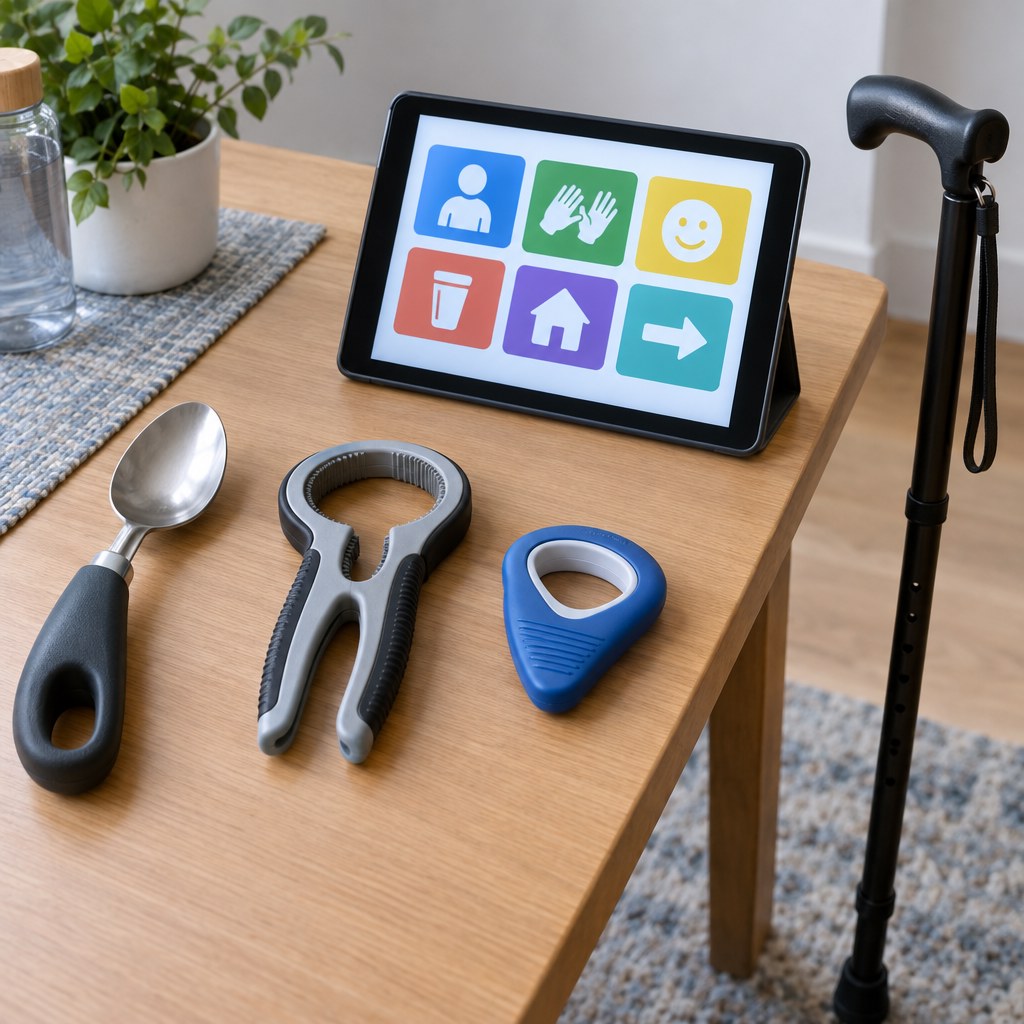
    Assistive products can include walking sticks, walkers, wheelchairs, hearing devices, visual aids, communication technology, grab rails and adapted utensils.

    Fit matters

    An unsuitable device can be uncomfortable or unsafe. Assessment by an appropriate rehabilitation professional can help match equipment to the person’s body, environment, abilities and goals.

    Rehabilitation after illness or injury

    Physiotherapy, occupational therapy, speech-and-language therapy and other services may be involved after stroke, serious injury, surgery, neurological illness or prolonged hospitalisation.

    The goal is participation

    Success is not only about physical recovery. Being able to communicate, prepare food, move safely or participate in family and community life can be equally important goals.

    Caregivers need training too

    Where caregivers help with transfers, mobility or equipment, proper instruction can reduce injuries for both people.

    Equipment and rehabilitation plans should be tailored to individual needs.

    Start with the task, then choose the tool

    “I want to get to the toilet safely at night” or “I want to feed myself with less pain” provides a useful starting point. An occupational therapist, physiotherapist or other relevant professional can assess the person, the task and the environment. A device that works in a clinic may need adapting for steps, narrow doors, uneven paths or transport at home.

    Try, train and review

    Ask for a demonstration and a chance to practise. Check maintenance, replacement parts, charging needs and total costs. A walking aid set to the wrong height or an unsuitable transfer method can cause problems. Caregivers need training rather than relying on a video of someone with different needs.

    Practical checklist

    1. Name one activity you want to do more independently.
    2. Describe the space, surfaces and transport involved.
    3. Ask whether the equipment can be tried before purchase.
    4. Learn safe use, cleaning and maintenance.
    5. Review fit and function if health or circumstances change.

    Common question

    Does using an aid mean giving up on recovery?

    No. Appropriate equipment can support independence and participation while rehabilitation continues.

    Sources and further reading

    Related support

    Use our appointment preparation guide, resources and community support to plan your next step.

    Sources checked 22 September 2026. General education, not individual medical advice. International service arrangements may differ from South Africa. Featured artwork is illustrative, not a patient testimonial.

  • Osteoporosis, Falls and Frailty: Protecting Strength and Independence as We Age

    Osteoporosis, Falls and Frailty: Protecting Strength and Independence as We Age

    Osteoporosis, falls and frailty are different problems, but they can interact. Reduced bone strength increases the consequences of a fall, while declining muscle strength and balance can increase fall risk.

    Osteoporosis can be silent

    People may not know they have osteoporosis until a fracture occurs. Risk assessment considers age, previous fractures, family history, medicines, medical conditions and other factors.

    Falls are not simply bad luck

    Vision, footwear, muscle weakness, balance, medicines, blood pressure and hazards in the home can all contribute. A falls assessment can identify modifiable risks.

    Understanding frailty

    Frailty describes reduced resilience to illness or stress and is not an inevitable consequence of ageing. Strength, nutrition, medication review and appropriate rehabilitation can all matter.

    Protecting independence

    Strength and balance exercise, adequate nutrition, safe home design and appropriate assistive devices can support independence. Treatment for osteoporosis may be recommended based on fracture risk.

    Anyone with recurrent falls or a suspected fragility fracture should seek medical assessment.

    Review the whole pattern of risk

    A fall may involve several factors at once: poor lighting, a medicine causing dizziness, weaker muscles or impaired vision. Tell the clinician about near-falls as well as falls. A fracture after a minor injury can be a reason to assess bone health, even when the person feels otherwise well.

    Practical changes at home

    Clear walking routes, improve lighting and discuss stable grab rails or other supports where needed. Choose suitable footwear and have walking aids checked. Exercise should be matched to ability and fracture risk; ask for supervised strength and balance advice when uncertain. Calcium and vitamin D needs should be discussed rather than assuming large supplement doses are safe.

    Practical checklist

    1. Record falls, near-falls and what was happening at the time.
    2. Request review of medicines, vision and dizziness.
    3. Ask whether bone-density or fracture-risk assessment is appropriate.
    4. Choose one manageable home-safety improvement.
    5. Keep a way to call for help within reach.

    Common question

    Should everyone who falls simply exercise harder?

    No. Assessment should identify injuries, medical causes and a safe starting point. Suitable activity can help, but the plan must fit the person.

    Sources and further reading

    Related support

    Use our appointment preparation guide, resources and community support to plan your next step.

    Sources checked 22 September 2026. General education, not individual medical advice. International service arrangements may differ from South Africa. Featured artwork is illustrative, not a patient testimonial.

  • Making Everyday Spaces More Accessible for a Loved One

    Making Everyday Spaces More Accessible for a Loved One

    Accessibility begins with ordinary routines

    A home, workplace, shop, or community venue can become difficult to use long before anyone intends it to. A narrow route, slippery bathroom floor, confusing sign, heavy door, or rushed conversation may turn a familiar task into a daily barrier. For a loved one living with disability, dementia, chronic illness, injury, fatigue, grief, or sensory change, access is not about making life look clinical. It is about preserving choice, safety, privacy, and participation. Small, thoughtful adjustments can reduce strain for everyone while respecting the person’s preferences and independence.

    The aim is a space that supports the whole person, rather than asking them to adapt constantly to the space. Start with what matters most to them: making tea, answering the door, reaching a desk, welcoming customers, resting without worry, or joining family meals. This article offers a practical way to notice barriers, choose proportionate changes, and review whether those changes genuinely help.

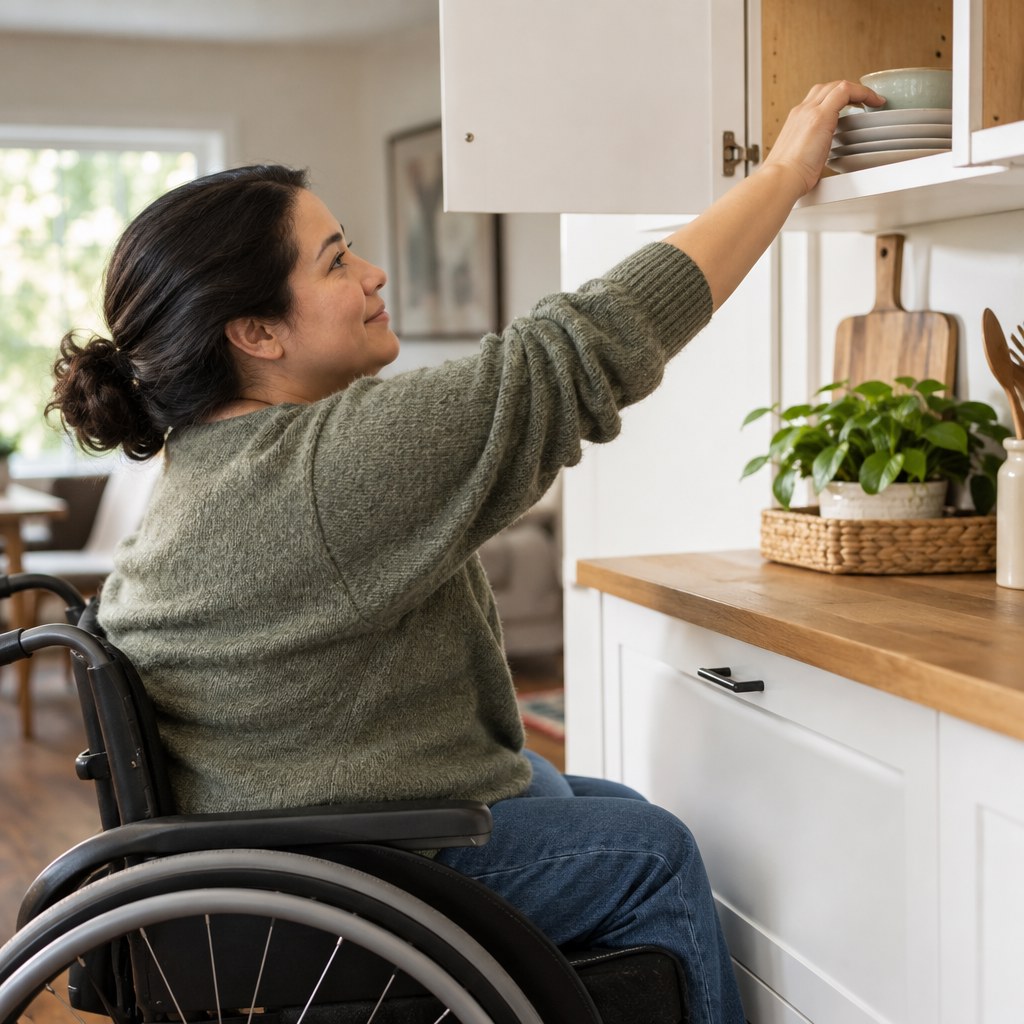
    Woman using a wheelchair reaching up to dishes in a high kitchen cupboard.
    High cupboards can put everyday items out of reach. Ask which items should be moved to an accessible height.

    Why ordinary spaces create barriers

    Barriers rarely have one cause. A person’s mobility, vision, hearing, memory, concentration, pain, stamina, or ability to process busy surroundings may vary from day to day. Environments also change: furniture moves, lighting fades, deliveries block entrances, and routines become hurried. In businesses and shared settings, a barrier may affect visitors, staff, volunteers, or family carers as well as the person you first had in mind. Looking at the interaction between a person, a task, and a place prevents assumptions and leads to more useful solutions.

    Accessibility is therefore a conversation, not a checklist imposed on somebody else. Ask permission before changing personal areas. Invite the loved one to describe what feels tiring, unsafe, embarrassing, confusing, or unnecessarily slow. Observe only with consent, and treat their experience as the starting point. A family member may notice a loose rug; the person using the room can explain whether the real problem is glare, balance, pain, or not having a nearby place to sit.

    Choose changes by impact, not appearance

    Begin with the routes and tasks used most often. An entrance, bedroom, bathroom, kitchen, work station, reception desk, or vehicle transfer may deserve attention before a larger redesign. Focus first on changes that remove a clear obstacle or reduce the chance of harm. Examples include clearing cables from walkways, improving even lighting, adding high contrast labels, choosing stable seating with arms, fitting easy-grip handles, or placing frequently used items between shoulder and knee height. These are examples, not universal prescriptions; needs differ.

    Low disruption options

    Low cost changes are often worth testing before permanent work. Rearrange rather than replace furniture, reduce visual clutter, use nonslip backing where appropriate, and create a consistent landing place for keys, medication, mail, mobility aids, or visitor information. In a public-facing setting, keep an unobstructed route to the counter and provide a quieter place to wait when feasible. Test one adjustment at a time, so you can tell what has improved.

    💡 Tip: Treat a trial change as information, not failure. If it is awkward or unused, ask why, adjust it, or remove it.

    Complete a respectful access review

    Set aside time when neither of you is rushed. Walk through a usual day together, from arriving and unlocking the door to preparing food, working, washing, resting, and leaving. For someone with fluctuating energy, review the difficult times of day as well as their best times.

    1. Map the route. Note every doorway, turn, threshold, surface change, seat, switch, sign, and storage point. Record where help is needed and what happens when the task cannot be completed.
    2. Identify the priority. Ask which barrier limits dignity, participation, safety, work, or rest most. Choose one or two issues rather than attempting everything at once.
    3. Match the response. Consider simple layout changes, equipment, communication adjustments, or professional advice. A qualified occupational therapist, accessibility specialist, contractor, or workplace lead may be helpful when a change involves safety, building work, or formal responsibilities.
    4. Try and review. Agree what success looks like, such as less reaching or fewer reminders. Check in after use, especially if symptoms, routines, or staffing change.
    Woman using a wheelchair reaching for a mug on an open shelf.
    Check shelf heights and reach with the person who uses the space.

    Build accessibility into everyday practice

    For decision makers, accessibility works best when it is part of ordinary maintenance and service, not a last-minute exception. Give staff permission to report trip hazards, blocked routes, unclear signs, broken lighting, or inaccessible digital and printed information. Include access questions when purchasing furniture, scheduling events, planning refurbishments, or changing visitor procedures. Offer clear ways for people to request support without having to disclose more personal information than necessary. A respectful response can be as important as a physical alteration: allow time, speak directly to the person, and avoid moving mobility equipment or personal belongings without asking.

    Risks to avoid and how to recover

    Do not make changes over someone’s objections simply because they seem sensible. Removing familiar objects, rearranging a kitchen, or adding equipment without agreement can increase distress and reduce trust. Avoid treating one solution as permanent when needs fluctuate. Also avoid relying on temporary fixes that create new hazards, such as trailing extension leads, unstable stools, loose mats, or furniture that narrows an escape route. If a change has not worked, return to the person’s experience: What is harder now? What feels better? Pause the change if necessary, document the concern in a workplace, and seek appropriate professional guidance for complex mobility, personal care, or building issues.

    A simple decision framework

    Start with the person and the task. Then consider the place, the likely benefit, the effort required, and any new risk. Choose the least disruptive useful change, test it with consent, and review it together. If the barrier remains or safety is uncertain, involve a suitably qualified professional. Accessibility is ongoing care for a shared environment, not a one-time project.

    Take the next manageable step

    Choose one room, route, or routine to review this week. Write down what the person says matters, make one agreed change, and notice its effect. You do not need to solve everything alone. Explore Stronger Together’s support and resources for compassionate connection and practical information; public support is free, and donations are optional. A small, respectful improvement today can make tomorrow’s routines feel more possible, familiar, and shared. Start gently today.

    Explore support